
Mid-engine layout: design, benefits, and applications
Overview of the mid-engine vehicle layout, its mechanical characteristics, advantages and trade-offs, historical use in racing and sports cars, and practical considerations for design and packaging.
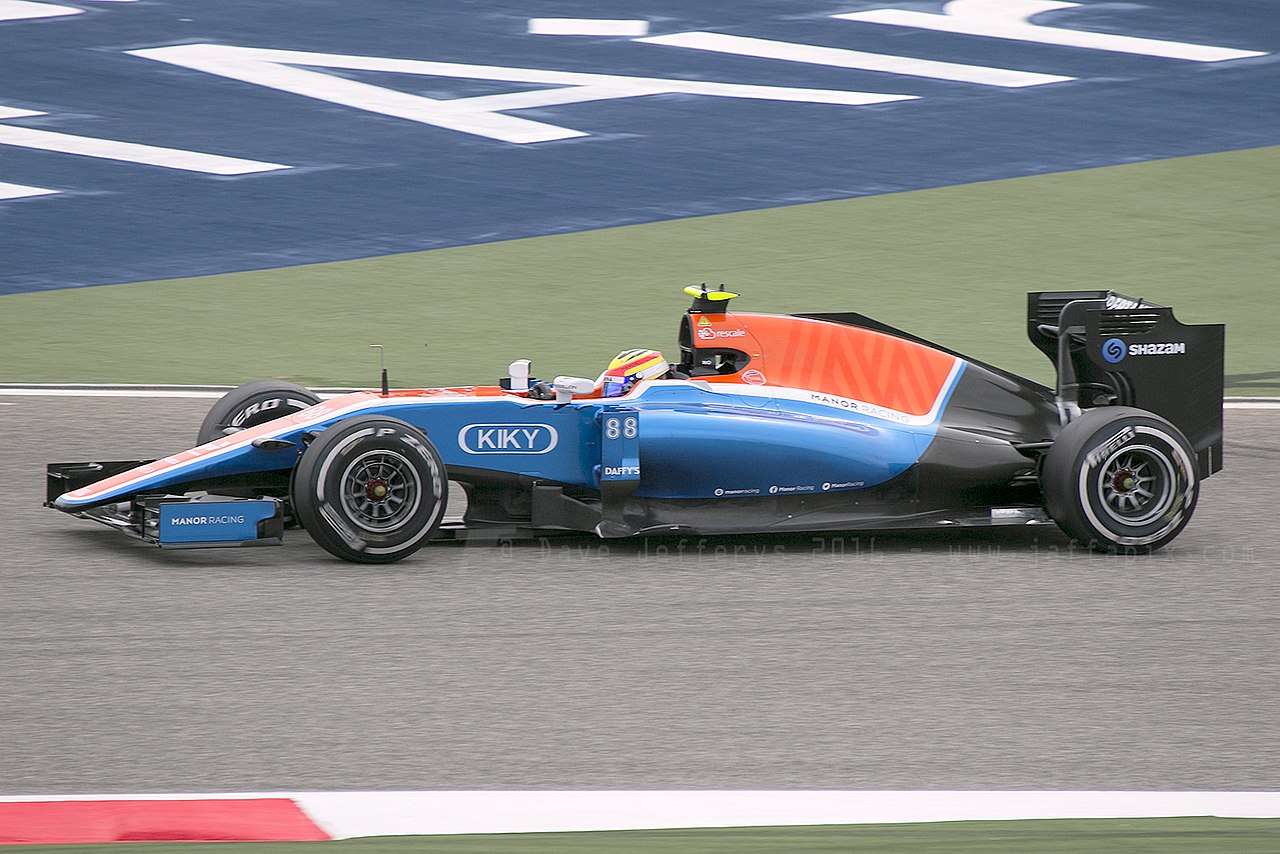
The mid-engine layout describes an automobile architecture in which the automobile engine is mounted between the front and rear axles, typically behind the driver but ahead of the rear axle. This central placement directly affects handling, weight distribution and packaging. The term covers several variations used on both road cars and competition vehicles and is commonly associated with high-performance sports cars and purpose-built racecars where dynamic balance and cornering performance are priorities.
Image gallery
9 Images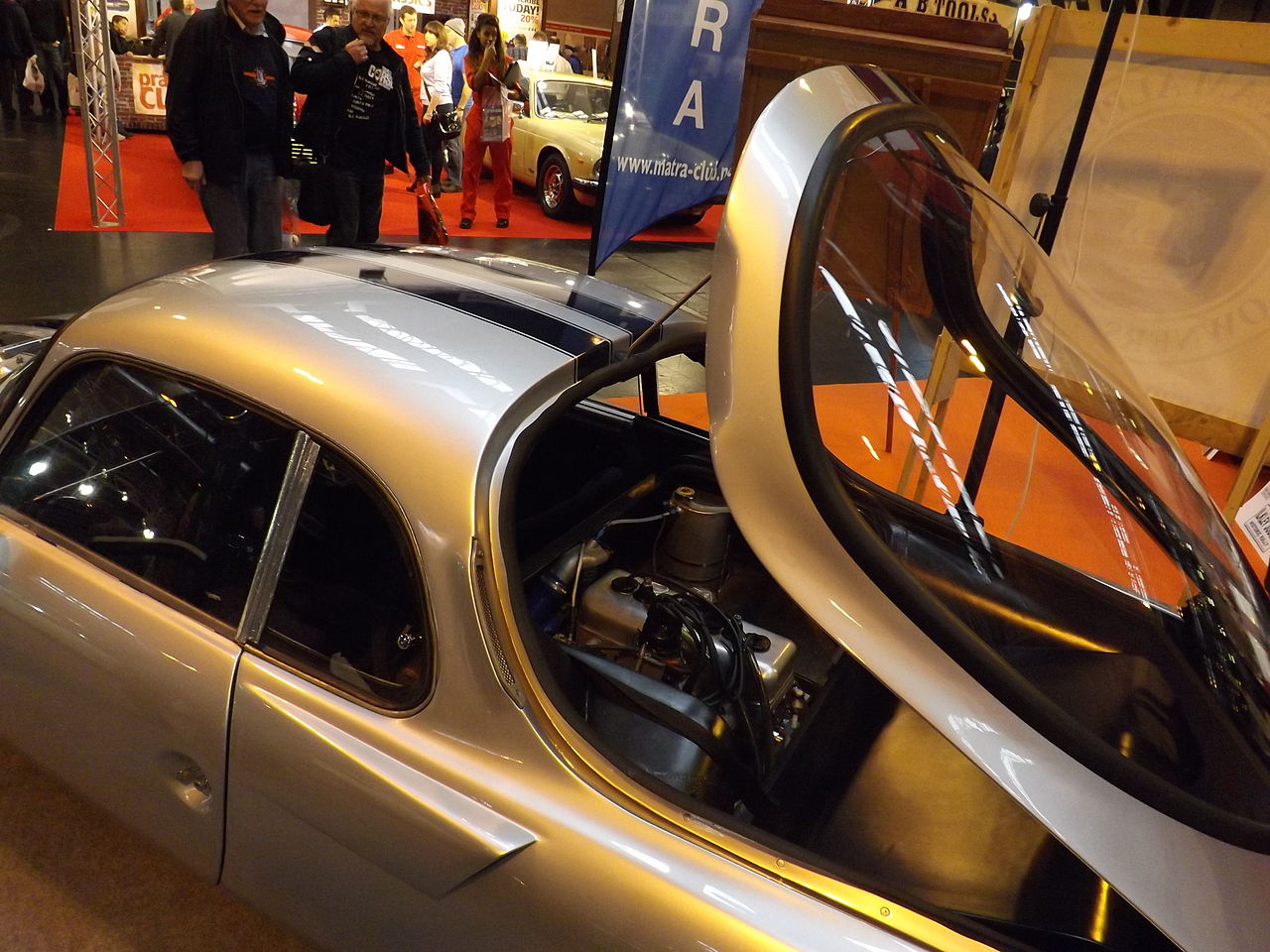




Mechanical characteristics
Putting the powerplant close to the vehicle centre reduces the polar and yaw resistance of the mass, properties described by the physics concept moment of inertia. A lower moment of inertia allows the car to change direction with less resistance and often results in quicker, more precise turn-in. For the same total mass, concentrating weight near the middle also tends to produce a more neutral front-to-rear weight distribution, which can improve traction and tyre load consistency through a corner. In contrast, layouts such as front-engine front-wheel drive combine steering and drive duties at the front wheels and are subject to phenomena such as torque steer under heavy drive loads; mid-engine designs separate these functions.
The underlying physics of rotational behaviour is commonly discussed in terms of the moment of inertia, a measure of how mass distribution resists rotational acceleration. With mass concentrated centrally, the vehicle presents a lower polar moment compared with comparable front- or rear-biased layouts, which helps agile handling but can also make weight transfer characteristics more abrupt if not carefully managed by suspension and electronic control systems.
Advantages and trade-offs
Advantages of the mid-engine configuration include sharper initial turn-in, generally more neutral behavior at the limit, and often improved braking stability because the mass is located between the axles. Compared with some front-engine rear-wheel drive arrangements, a mid-engine car can have better resistance to pendulum-like yaw motions and more predictable cornering balance. However, these handling gains come with compromises: central engine placement typically reduces usable space for passengers and cargo, complicates service access, and can increase packaging complexity for cooling and safety systems. Heat management and crash energy management require bespoke solutions.
Variations and packaging
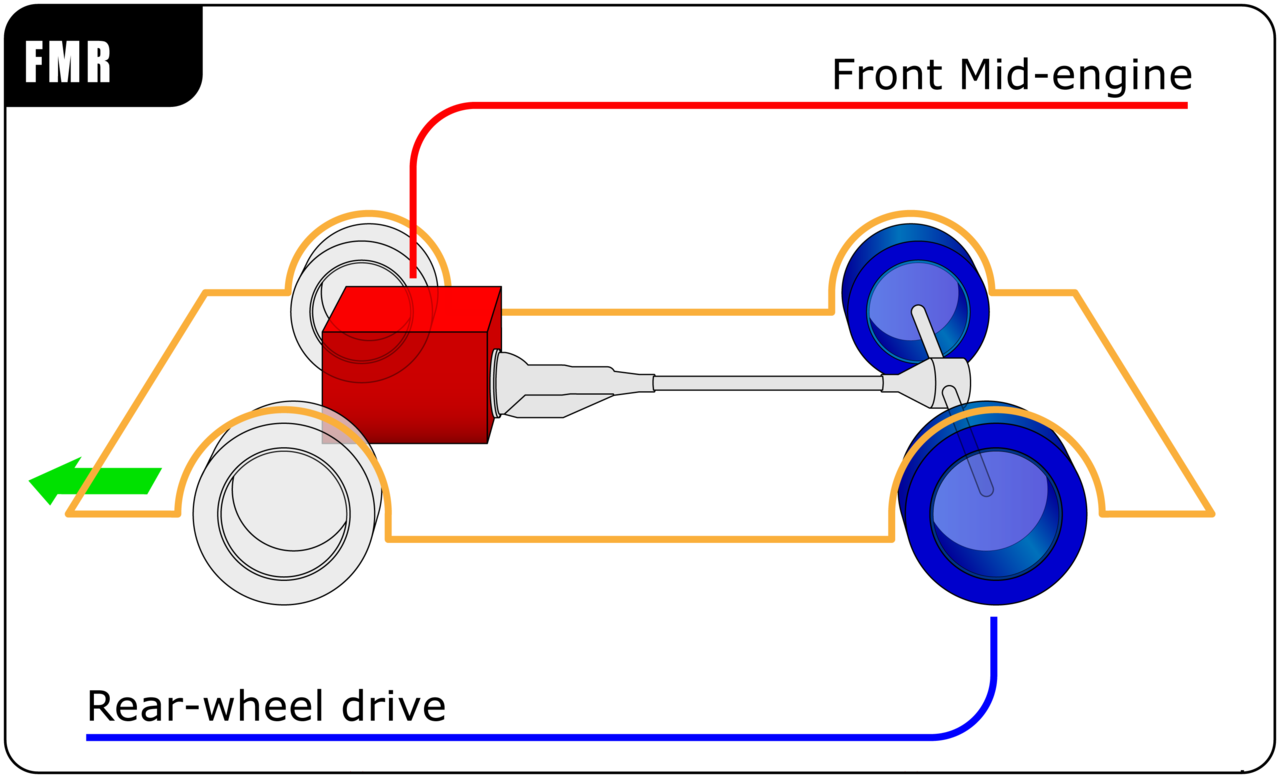
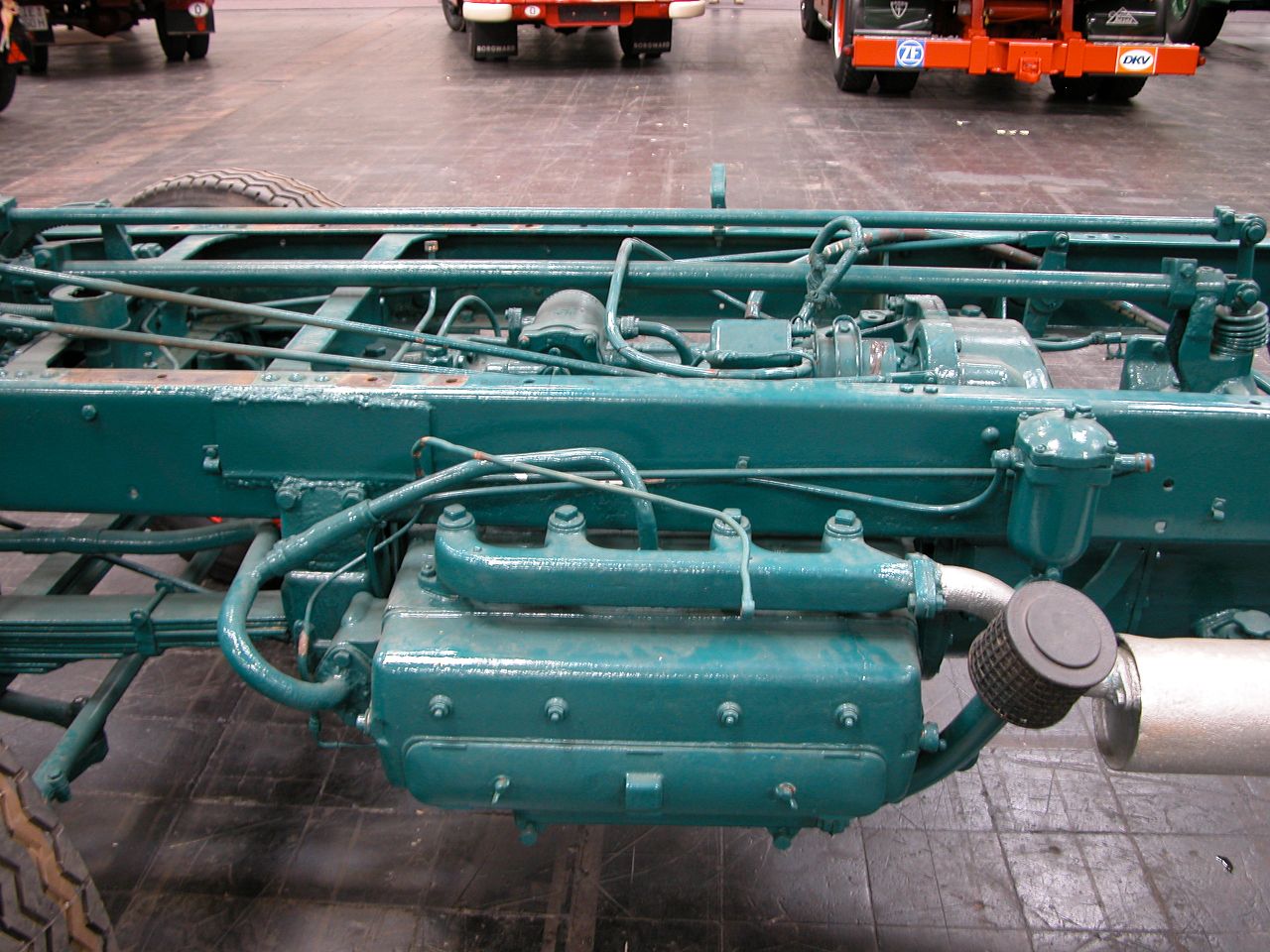
There are several common mid-engine variants. A rear-mid layout places the engine behind the driver and ahead of the rear axle, the most familiar form in modern supercars and many racing prototypes. A front-mid layout places the engine rearward of the front axle line but ahead of the passenger compartment, improving front axle load without fully moving the engine to the centre. Engines can be mounted longitudinally or transversely depending on the drivetrain and gearbox packaging. Gearbox placement relative to the engine—whether mounted behind, ahead, or beneath—also affects centre of mass and polar moment.
- Cooling and airflow must be engineered to deliver adequate heat rejection to a central engine bay while avoiding adverse effects on downforce and aero balance.
- Maintenance access can be more involved than with front-mounted engines and often requires removal of bodywork panels to reach routine service points.
- Electronic stability controls and advanced suspension tuning are commonly used to tame abrupt transitions at the limits of grip.
History, use in motorsport and road cars
Mid-engine principles were established early in motorsport when weight centralisation was recognized as beneficial. Throughout the 20th century the layout became widespread in single-seater and prototype racing categories, where performance outweighs packaging concerns. On the road, engineers translated those advantages into production sports cars when compact, reliable powertrains and advanced cooling allowed the mid-engine concept to be applied to street-legal vehicles. Today the configuration is standard in many classes of professional racing and is a frequent choice for high-performance road cars where handling priority justifies reduced interior space designed mainly for a single driver and occasional passenger.
Practical considerations and design choices
Choosing a mid-engine layout is a trade-off between dynamic performance and everyday practicality. Manufacturers balance engine placement, chassis stiffness, crash structures and aero packaging to meet target performance and safety goals. For customers and drivers, the result is often a vehicle with exceptional on-limit behaviour, rapid directional response and a handling character that rewards skilled piloting, while demanding attention to cooling, maintenance accessibility and reduced carrying capacity compared with more conventional layouts.
Further technical reading can include introductions to automobile architecture, detailed treatments of moment of inertia in vehicle dynamics, and comparative studies of FWD, RWD and mid-engine configurations.
Questions and answers
Q: What is a mid-engine layout in a car?
A: A mid-engine layout refers to the placement of an automobile engine between the front and rear axles.
Q: What does the physics term "moment of inertia" refer to in cars?
A: "Moment of inertia" in cars refers to how difficult it is to turn a moving object.
Q: What is torque steer in a front-wheel drive car?
A: Torque steer is the pull of the car to one side during acceleration, as the drive wheels also have to steer the car in a front-wheel drive car.
Q: What is oversteer in a front-wheel drive car?
A: Oversteer in a front-wheel drive car occurs when the vehicle turns more sharply than expected in a corner, resulting from the front-wheel drive mechanism.
Q: Why does a front engine rear-wheel drive car have a higher moment of inertia than a mid-engine car?
A: A front engine rear-wheel drive car has a higher moment of inertia compared to a mid-engine car due to its weight distribution and engine placement.
Q: What are the advantages of a mid-engine layout in a car?
A: The advantages of a mid-engine layout in a car include better weight distribution and a lower moment of inertia compared to other layouts.
Q: What is the main disadvantage of a mid-engine layout?
A: The main disadvantage of a mid-engine layout in a car is that the engine takes up much less space for passengers and cargo.
Related articles
Author
AlegsaOnline.com Mid-engine layout: design, benefits, and applications Leandro Alegsa
URL: https://en.alegsaonline.com/art/64650
Sources
- drivingfast.net : "Developing a Track Car"
- mechanicalmania.blogspot.com : "Advantages and Disadvantages of Rear Wheel Drive"
- whyhighend.com : "Front vs Mid Engine"