
Military engineering: roles, history and modern practice
Summary of military engineering: tasks (mobility, countermobility, survivability, EOD), historical development from ancient siegecraft to modern combat engineers, organization and humanitarian roles.
Overview
Military engineering applies engineering principles and construction skills to support armed forces. Practitioners—often called military engineers, combat engineers, sappers or pioneers—plan, build, modify and, when required, demolish structures and systems that affect mobility, protection and logistics. Their work ranges from laying or clearing obstacles and erecting fortifications to constructing bridges, camps, roads and field utilities. Doctrinal summaries and practical manuals describe these activities as field construction and engineering support (field construction).

Image gallery
10 Images




Primary functions
Tasks are commonly grouped under mobility, countermobility and survivability, together with general engineering support:
- Mobility: enable friendly forces to move by breaching obstacles, building or emplacing bridges and repairing routes. Techniques range from expedient river crossings to mechanized bridging systems (bridging).
- Countermobility: deny, channel or slow an adversary through obstacles, minefields, anti‑vehicle barriers and planned demolitions. Effective counter‑mobility is a planning discipline in operations (mine action and countermeasures).
- Survivability: protect personnel and materiel by constructing trenches, bunkers, revetments and other defensive works; camouflage and hardening also fall under this function (trench works).
- General engineering: provide logistics infrastructure such as camps, water and power systems, airfields and temporary repairs of ports, roads and railways. These tasks require integration with supply, transportation and civil authorities.

Terminology and organization
Names and organization vary by nation: some armies maintain an Engineer Corps or Royal Engineers, others use terms such as pioneers or sappers. A sapper traditionally denotes a soldier trained in tasks like trenching, explosives and demolitions (sapper), while the term combat engineer today often refers to troops that perform such tasks forward of the main logistical base (combat engineer).
Historical development
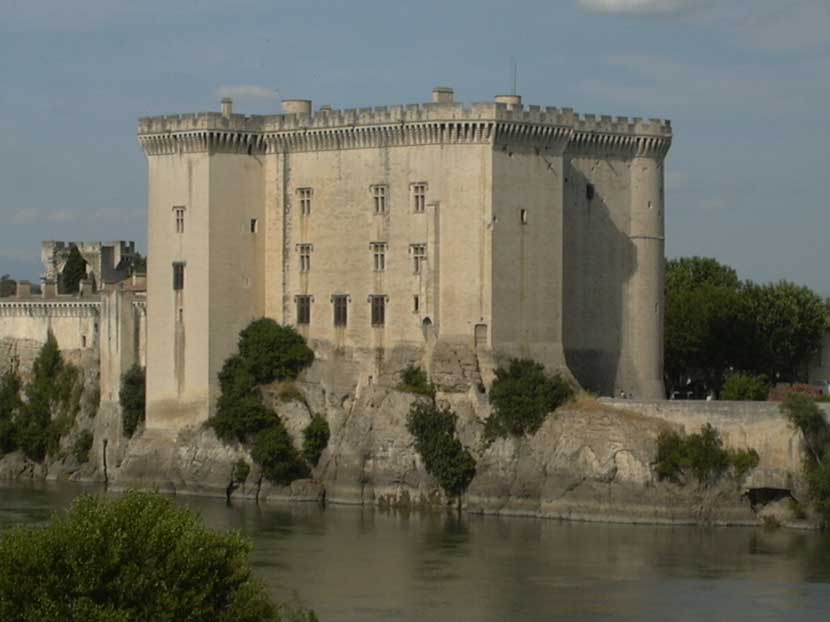
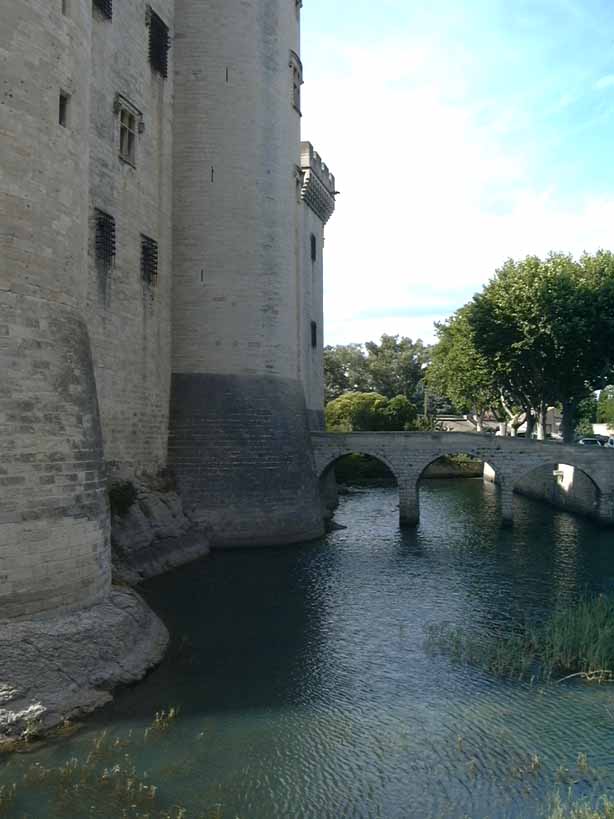
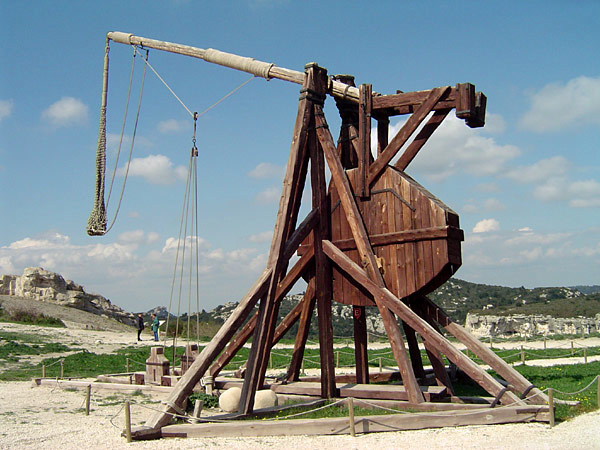
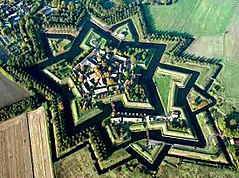
Organized military engineering has ancient roots. The Romans are a widely cited example of an army with permanent engineering capability: they built roads, forts and siege works to support operations across large distances (Roman engineering). Throughout the medieval and early modern periods, advances in fortification design, siegecraft and artillery shaped both offensive and defensive engineering. Long defensive lines and walls, castles with moats and bastioned forts illustrate engineering responses to the prevailing technologies and tactics (fortifications, sieges).

Modern era
The scale and complexity of engineering tasks increased markedly with industrialized warfare. The world wars emphasized rapid construction of field defences, fortification of positions, and swift repair of transportation nodes. In the late twentieth and twenty‑first centuries, priorities expanded to include explosive ordnance disposal (EOD), improvised explosive device (IED) defeat, route clearance and specialist construction under fire. Contemporary combat engineer units often operate armored engineer vehicles, specialized bridging equipment and detection systems for ordnance clearance (World War I and later case studies).
Techniques, tools and training
Tools range from hand instruments and civil engineering equipment to mechanical excavators, assault bridge modules and controlled demolition charges. Training covers construction techniques, explosives safety, reconnaissance and civil–military coordination. Units commonly include bridging teams, surveyors, EOD specialists and pioneer platoons; planning integrates engineering design, demolition and survivability considerations (design and demolition).

Humanitarian and peacetime roles
Military engineers frequently support disaster relief and infrastructure projects in peacetime, using the same skills for water purification, shelter construction, route clearance and restoring critical services. These tasks illustrate how military engineering contributes to stabilisation, civil assistance and reconstruction activities, often in cooperation with civilian agencies.

Examples and further reading
Notable historical and technical examples used in education and study include fortress systems, castle architecture and siege engines, as well as twentieth‑century trench and port engineering. Readers can pursue specialized topics in the following areas:
- Castles and fortifications
- European military architecture
- Siege engines and medieval siegecraft
- Moats and water defences
- Field engineering overview
- Bridge construction in operations
- Sapper and pioneer roles
- Modern combat engineer doctrine
- Roman military engineering
- Examples of fortification design
- Siege techniques and history
- Pioneer units and traditions
- Design and demolition practice
- Long defensive walls and watchworks
- Trench warfare studies
- Mine action and countermeasures

Military engineering remains an essential discipline that blends technical skill with operational judgement. It shapes terrain, protects forces and sustains operations in war and in many forms of emergency response.
Questions and answers
Q: What is a military engineer?
A: A military engineer is someone who uses their skills in construction to build structures for warfare, such as bridges and minefields. They may also be called pioneers or sappers.
Q: What do military engineers do?
A: Military engineers are responsible for the design, construction, and destruction of works related to warfare. This includes building fortifications, watchtowers, siege engines, trenches and landmines.
Q: Who were the first people to have a special force of military engineering specialists?
A: The Roman army was the first group to have a special force of military engineering specialists.
Q: How good was Roman military engineering?
A: Roman military engineering was very advanced for its time; they were able to construct a double-wall fortification that stretched 30 miles (50 km) long in just six weeks.
Q: What is a combat engineer?
A: A combat engineer is a type of military engineer who operates during battle.
Q: What is an example of something that a military engineer might have to destroy before? A: An example of something that a military engineer might have to destroy before is a bridge they built in order to stop enemy soldiers from following them across the river.
Related articles
Author
AlegsaOnline.com Military engineering: roles, history and modern practice Leandro Alegsa
URL: https://en.alegsaonline.com/art/64967