
Grinding Mill: Types, History, and Uses
A grinding mill reduces solid materials to smaller particles. This article explains mill types, components, historical development, common applications, and safety and operational considerations.
Overview
A grinding mill is a device used to reduce the size of solid materials by mechanical action. In broad terms a mill applies force through crushing, grinding, cutting, or impact to change coarse feedstock into a finer product. Mills range from simple hand-operated implements to large industrial machines. For a general introduction to tools and equipment, see tool.
Image gallery
10 Images




Types and parts
Common mill categories are distinguished by how they apply force: compression (burr or roller mills), impact (hammer mills), attrition (stirred mills), and tumbling/ball mills that use grinding media. Typical components include a feed inlet, grinding chamber, grinding media or surfaces (burrs, rollers, hammers, balls), a discharge or classifier, and a drive system. Small domestic examples include a mortar and pestle, pepper grinder, or hand burr mill, while industrial versions have feeders, screens, and dust control.
History and development
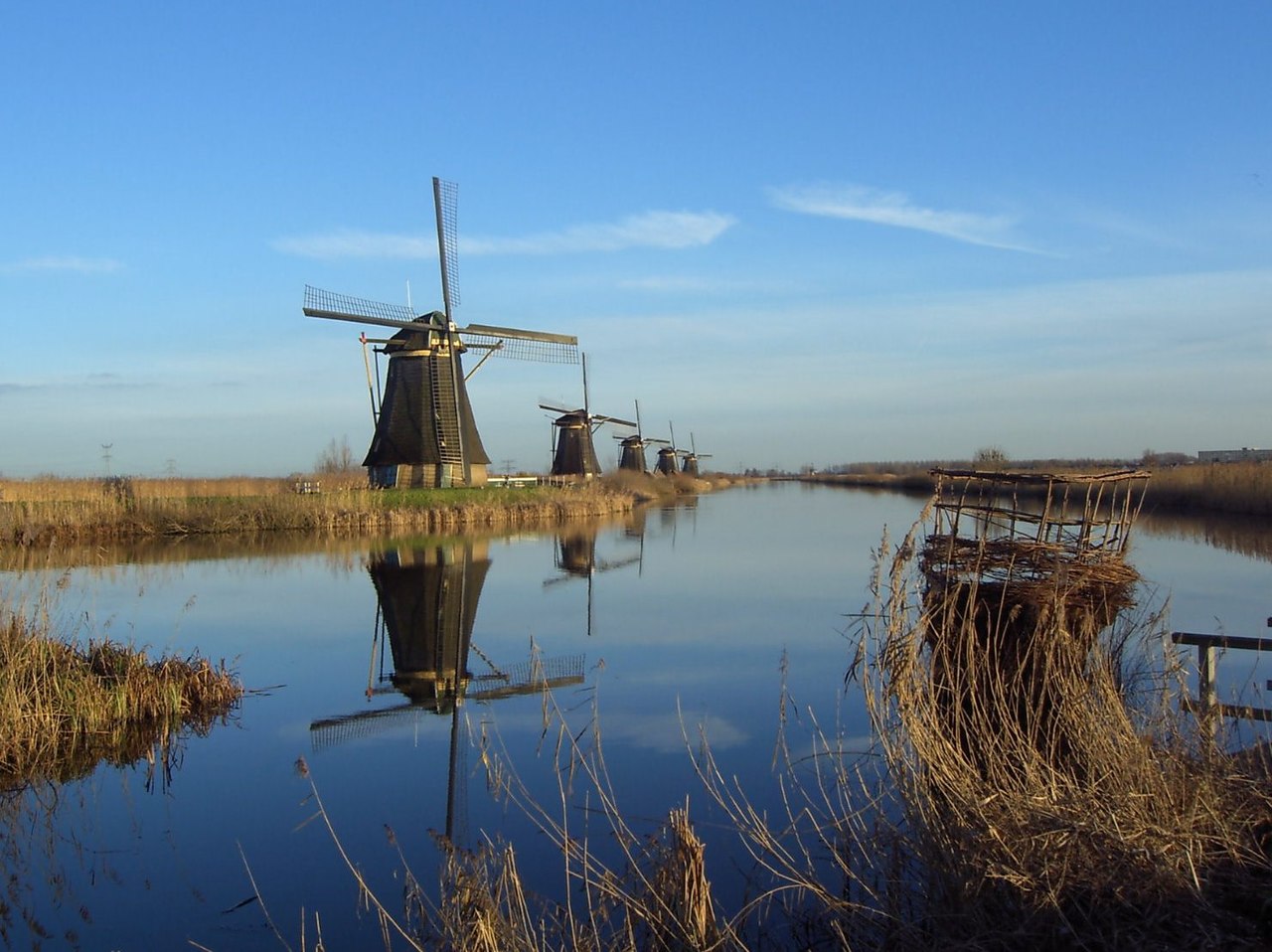
Human societies have used mills for millennia. Early cultures ground grain with stone querns and hand tools; larger operations harnessed animals, flowing water, or wind to turn millstones. Historic watermills and windmills mechanized size reduction long before steam and electrical power transformed mill design. For discussion of historical wind-driven machines see windmills and for water-powered systems see watermills. In modern industry most large mills are driven by electric motors and complex control systems (electric motors) to achieve consistent product size and throughput.
Uses, examples and importance
Mills serve many industries: food processing (flour, spices), mining (liberating ore minerals), cement and construction materials, chemical and pharmaceutical production, and pigment or powder manufacture. Selection of mill type depends on material hardness, desired particle size distribution, production rate, and contamination concerns.
Notable considerations
- Scale: domestic versus pilot versus full-scale industrial mills differ in complexity and safety features.
- Wear and maintenance: abrasive materials shorten component life and require scheduled replacement.
- Health and safety: fine dust, noise, and potential for ignition or explosion demand controls and ventilation.
- Product quality: proper classification and control of residence time determine fineness and consistency.
Understanding these aspects helps in choosing and operating a grinding mill for a given material and purpose, balancing efficiency, cost, and safety.
Questions and answers
Q: What is a grinding mill?
A: A grinding mill is a tool designed to break solid materials into smaller pieces.
Q: Are all grinding mills the same?
A: No, there are many different types of grinding mills.
Q: What types of materials can be processed in grinding mills?
A: Many types of materials can be processed in grinding mills.
Q: What are some examples of small mills?
A: Some examples of small mills are mortar and pestle and pepper grinder.
Q: How were large grinding mills usually powered in the past?
A: Large grinding mills were usually powered by working animals, wind or water in the past.
Q: What powers most large grinding mills in the 2000s?
A: Most large grinding mills are powered by electricity in the 2000s.
Q: Is grinding mill the only way to break solid materials into smaller pieces?
A: No, there are other ways to break solid materials into smaller pieces besides grinding mills.
Related articles
Author
AlegsaOnline.com Grinding Mill: Types, History, and Uses Leandro Alegsa
URL: https://en.alegsaonline.com/art/65004