
Metalworking: processes, materials, history and applications
Comprehensive overview of metalworking: techniques for shaping and joining metals, common materials and tools, historical development, major uses, and distinctions like blacksmithing vs fabrication.
Metalworking is the collection of processes used to shape, join and finish metals into parts, assemblies and large structures. It spans everything from hand-forged objects and jewelry to precision-machined components and architectural steelwork. Practitioners select processes and materials to meet functional needs such as strength, corrosion resistance, electrical conductivity and aesthetic finish.
Image gallery
10 Images





Common processes
Typical operations fall into three broad categories—shaping, joining and finishing—with many specialized methods inside each. Examples include:
- Shaping: machining (milling, turning, drilling), forming (bending, stamping), metalspinning, forging and extrusion.
- Casting and molding: pouring molten metal into a cavity to create complex shapes; see casting for variations such as sand and die casting.
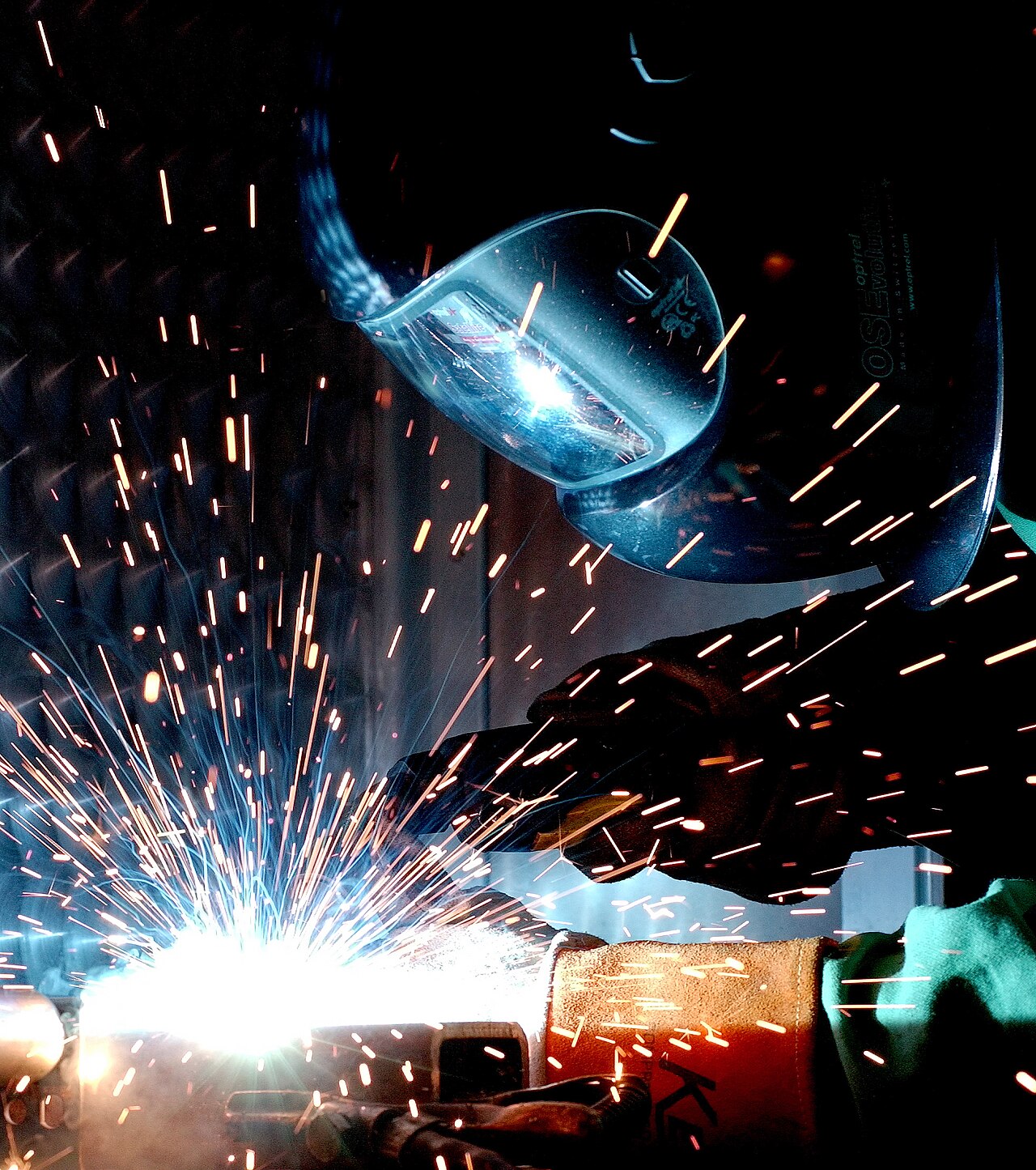
- Joining: welding, brazing, soldering and mechanical fasteners used to assemble components.
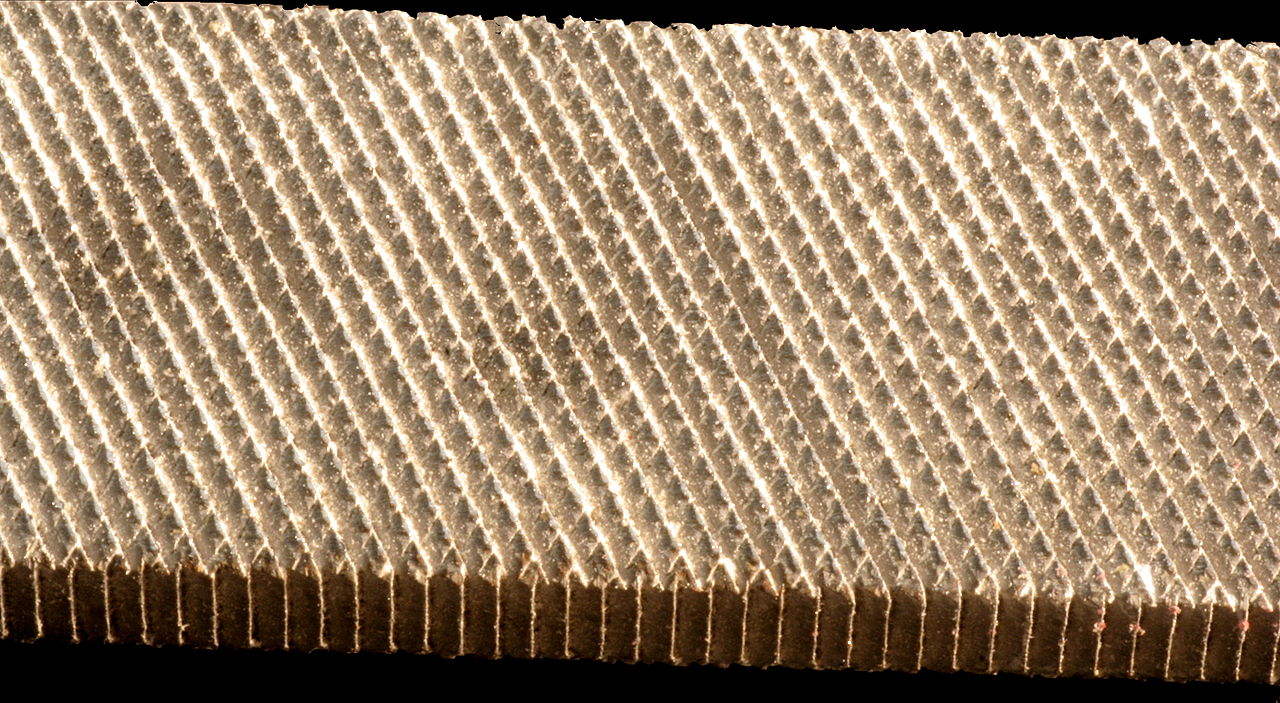
- Finishing: grinding, polishing, heat treatment and surface coatings to improve properties and appearance.
Materials and equipment
Common metals include ferrous alloys (carbon steel, stainless steel) and non‑ferrous metals (aluminum, copper, brass, titanium). Jewelers and small-scale artisans work with precious metals such as gold and silver; traditional and modern techniques of a goldsmith illustrate how detail work differs from industrial practice. Typical equipment ranges from hand tools and anvils to computer numerical control (CNC) machines, presses, furnaces and inspection instruments.
History and development
Humans have manipulated metal for several millennia, beginning in the late Neolithic and gaining momentum through the Bronze and Iron Ages. The Industrial Revolution introduced mechanized production, heat treatment and new alloys, while the 20th and 21st centuries brought welding advances, automation and additive manufacturing. Broadly, metalworking evolved from individual craft to a spectrum including artisans, small shops and large industrial facilities; see how human societies adapted techniques to needs and available resources.
Applications and importance
Metalworking underpins modern infrastructure and technology: construction, transportation, energy, aerospace, electronics, tooling and consumer goods all depend on metal components. Precision metalworking enables tight tolerances for engines, medical devices and instrumentation; artistic metalwork contributes to sculpture, jewelry and decorative architecture.
Distinctions and notable facts
Metalworking is distinct from metallurgy (the science of metals): the former applies techniques to make objects, while the latter studies composition and properties. Subdisciplines include blacksmithing, sheet metal fabrication and precision machining; each emphasizes different skills, tools and tolerances. Safety, material selection and process control are central to quality and longevity.
Related articles
Author
AlegsaOnline.com Metalworking: processes, materials, history and applications Leandro Alegsa
URL: https://en.alegsaonline.com/art/64168