
Methanol: properties, production, uses and safety
Methanol (CH3OH) is the simplest alcohol: a colorless, flammable liquid used as solvent, fuel and chemical feedstock. It is toxic by ingestion or inhalation and requires careful handling and medical treatment if poisoned.
Overview
Methanol, chemical formula CH3OH, is the simplest alcohol. It is a light, colorless, volatile liquid with an odor similar to ethanol but with markedly different toxicology and uses. Historically known as wood alcohol, because it was once produced by destructive distillation of wood, methanol is now an important commodity chemical and energy carrier.
Image gallery
8 Images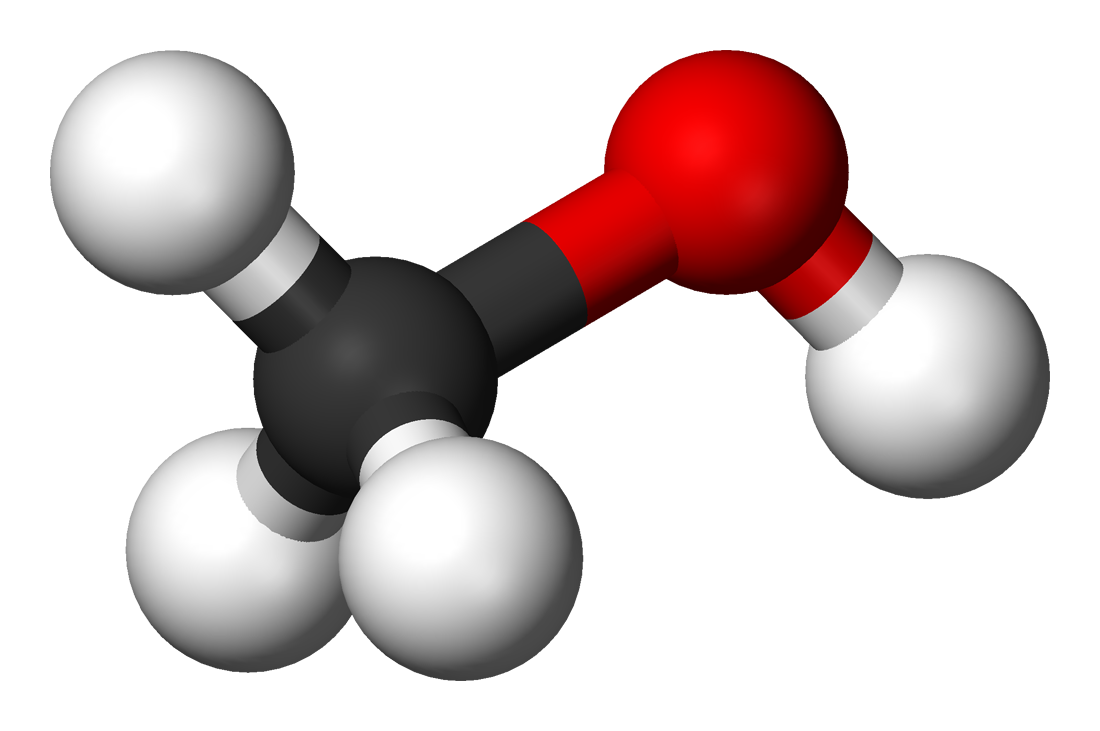




Physical and chemical properties
Methanol is miscible with water and many organic solvents. It boils at about 65 °C and is significantly less dense than water. As a simple alcohol it can act as a proton donor and participate in reactions such as esterification, transesterification, oxidation and reduction. Its polarity and low molecular weight make it a widely used solvent in laboratories and industry.
Production and history
Early production came from the distillation of wood, giving the old name. Modern industrial methanol is mainly synthesized from synthesis gas — a mixture of carbon monoxide and hydrogen — over catalysts, and large-scale plants typically use natural gas as a feedstock. Alternative routes include hydrogenation of carbon dioxide and processes that convert biomass or biogas to methanol. These newer routes are of interest for renewable chemical production.
Uses
Methanol is a versatile feedstock. It is a precursor to formaldehyde, acetic acid derivatives and numerous other chemicals. It is used directly as a solvent and antifreeze component, as a denaturant for ethanol, and as a fuel or fuel additive in some applications such as racing fuels and certain fuel-cell systems where methanol can be used directly as fuel. Methanol-derived methyl esters are used in biodiesel production. Consumer products that may contain methanol include windshield washer fluids and some cleaning agents.
Toxicity, treatment and safety
Methanol is toxic if ingested, inhaled in large amounts or absorbed through the skin. In the body it is metabolized to formaldehyde and formic acid, which can cause metabolic acidosis and damage to the optic nerve, potentially resulting in permanent visual impairment or blindness; severe poisoning can be fatal. Symptoms may be delayed for several hours. Recognized antidotes include fomepizole and ethanol; supportive care and hemodialysis are used in serious cases. Avoid ingestion, ensure good ventilation, control ignition sources, and use appropriate personal protective equipment when handling methanol.
Environmental and regulatory notes
Methanol is biodegradable but is toxic to aquatic life at sufficient concentrations. Regulatory frameworks and safety data sheets provide guidance on storage, transport and permissible exposure limits; consult supplier literature and relevant authorities for local rules. Because of its historical production from wood, methanol is sometimes still referred to as wood alcohol in older literature — see wood alcohol references for historical context.
Further information
- Basic chemical data and safety sheets: search technical sources or manufacturers (CH3OH).
- Toxicology and emergency treatment: authoritative medical guidance and poison-control centers (antidotes).
- Industrial uses and fuel applications: industry publications and regulatory summaries (fuel, solvent).
- Historical production and terminology: background on wood alcohol and evolution of manufacture.
Related articles
Author
AlegsaOnline.com Methanol: properties, production, uses and safety Leandro Alegsa
URL: https://en.alegsaonline.com/art/64198