
Mead: fermented honey drink — origins, production, and varieties
Mead is an alcoholic beverage produced by fermenting honey with water and yeast. This article summarizes ingredients, production methods, historical background, regional traditions, common styles and modern revival.
Overview
Mead is a fermented honey-based beverage and a traditional alcoholic drink made by converting the sugars in honey into alcohol. It is often called "honey wine" in informal contexts, though mead differs from grape wine in ingredients and fermentation dynamics and is also distinct from beer. Modern meads range from very dry to very sweet and from lightly flavored to richly spiced.
Image gallery
6 Images


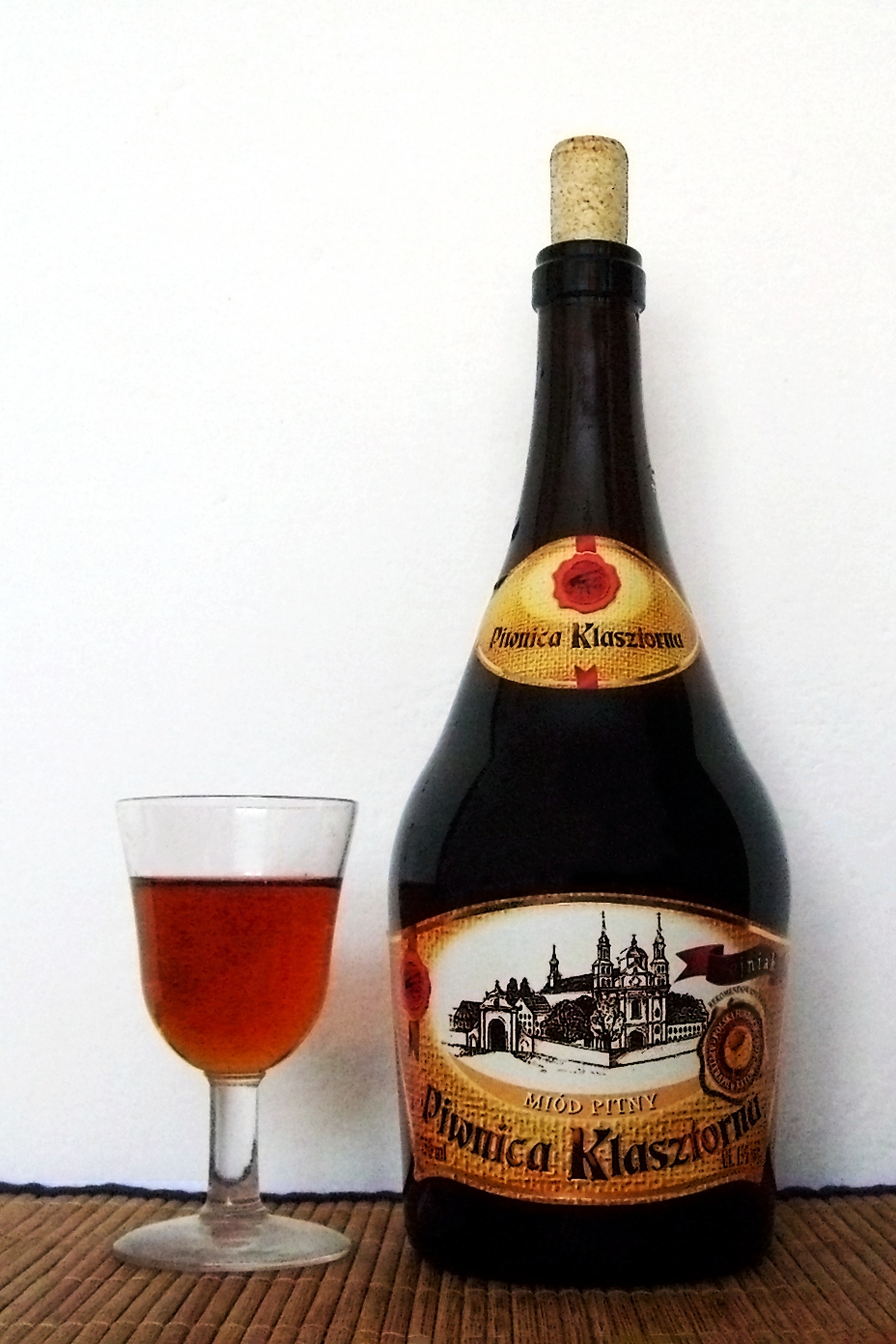
Ingredients and production
The simplest mead contains three basic components: honey, water and a fermenting organism such as yeast. Production normally begins by diluting honey to create a fermentable liquid, adjusting gravity and acidity, and sometimes adding nutrients to support yeast. Fermentation may be warm or cool, short or extended, and the beverage is frequently aged to allow flavors to mellow. Alcohol levels vary widely depending on recipe and fermentation control; many meads fall in a broad range typical for fermented drinks.
Varieties and common flavorings
Mead takes many forms depending on added ingredients, fermentation style and honey type. Common categories include:
- Traditional mead — honey, water and yeast only.
- Melomel — mead made with fruit or fruit juice.
- Metheglin — mead flavored with spices or herbs.
- Cyser — mead fermented with apple juice or cider.
- Braggot — a hybrid of mead and beer, using malt and honey.
Producers also make sack meads (richer, higher sugar) and hydromels (lighter, lower sugar). The botanical origin of the honey strongly influences aroma and color; many meadmakers blend honeys to achieve balance.
History and cultural significance
Archaeological finds and literary references indicate that honey fermentation is ancient. Some researchers cite traces of mead-like beverages many millennia old, and early texts such as the Rigveda within the Hindu tradition contain descriptions that scholars interpret as related to honey drinks. While precise origins are uncertain, mead appears in diverse, independent brewing traditions around the world.
Regional traditions and modern revival
Mead has long-standing cultural importance in parts of Central Europe and the Balkans, where regional recipes and festivals persist. Distinct forms of honey-fermented beverages are also important in Africa, notably traditional Ethiopian tej (Ethiopia) and various preparations found in South Africa. After a period of reduced commercial prominence in the 20th century, mead has experienced a modern revival driven by craft producers, specialty retailers and culinary interest.
Serving, pairing and contemporary practice
Mead can be still, carbonated or even sparkling. Serving temperature and glassware are chosen to showcase aroma and sweetness; lighter meads are served cool, while fuller styles may be near cellar temperature. Food pairings range from cheeses and charcuterie to spiced dishes and desserts, depending on sweetness and body. Contemporary meadmakers experiment with yeast strains, barrel aging and adjuncts, producing both historically inspired and innovative beverages for tasting, pairing and cultural events.
Related articles
Author
AlegsaOnline.com Mead: fermented honey drink — origins, production, and varieties Leandro Alegsa
URL: https://en.alegsaonline.com/art/63300