
May Revolution (1810) — Buenos Aires uprising and the Primera Junta
The May Revolution (18–25 May 1810) in Buenos Aires removed Viceroy Cisneros and established the Primera Junta, beginning the Argentine independence process and later celebrated as Semana de Mayo.

Overview
The May Revolution unfolded in Buenos Aires between 18 and 25 May 1810. It ended the rule of the Spanish viceroy and produced a local government known as the Primera Junta. The event is commonly regarded as the opening phase of the long struggle that produced the independence of what became modern Argentina. In Argentina the week of events is commemorated as Semana de Mayo.
Image gallery
10 Images





Political and international background
The revolution must be seen in the context of the crisis of the Spanish monarchy during the Peninsular War. After the 1808 abdications, King Ferdinand VII was deposed and the Bourbon line was replaced by Joseph Bonaparte, who ruled in Madrid under Napoleon. The resulting vacuum of legitimate authority and the disruption of trade and administration encouraged local elites in the Viceroyalty of the Río de la Plata to consider new arrangements for government. The viceroyalty at the time included territories that roughly correspond to present-day Bolivia, Paraguay and Uruguay, as well as the Río de la Plata region centered on Buenos Aires.
Events of May Week
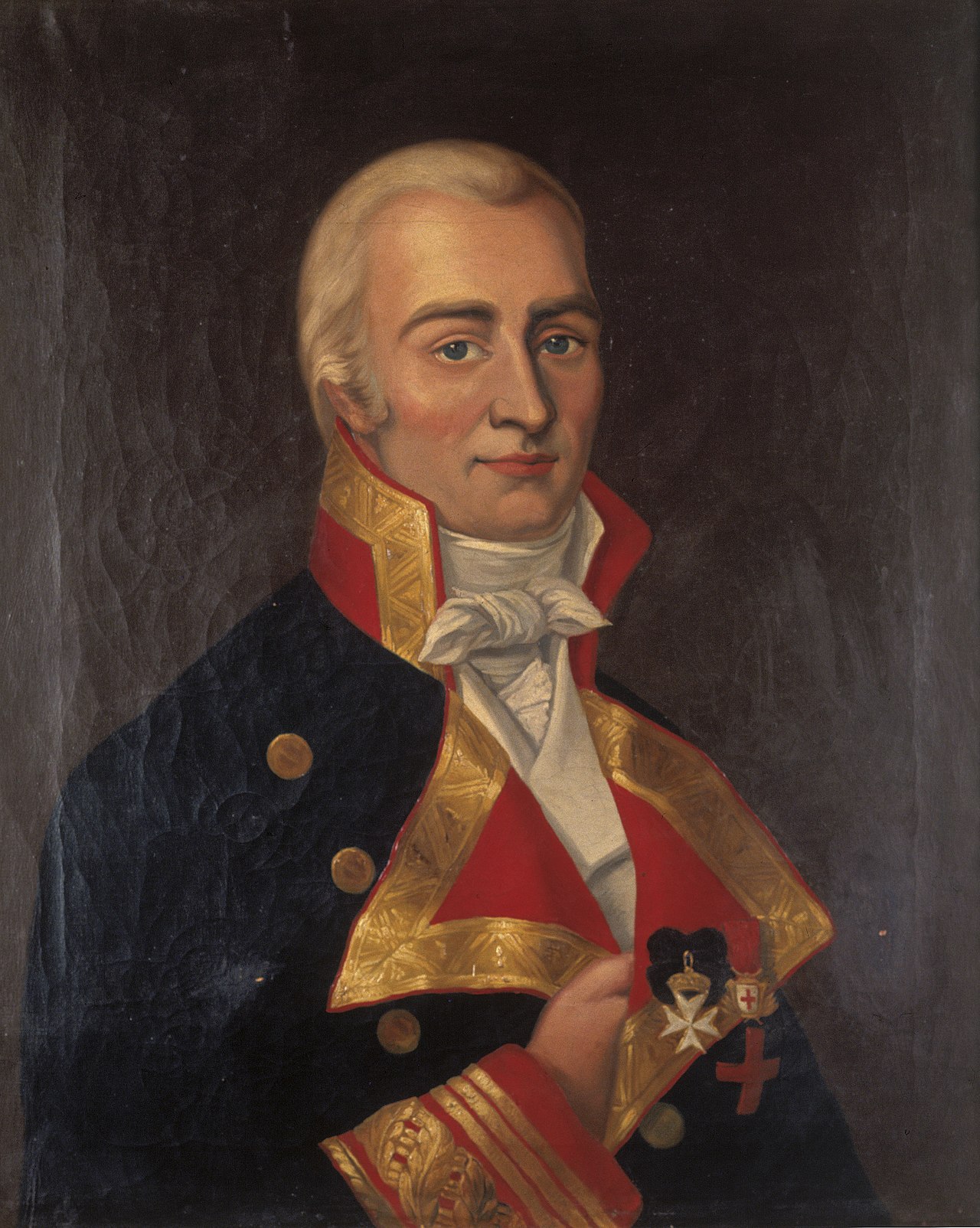
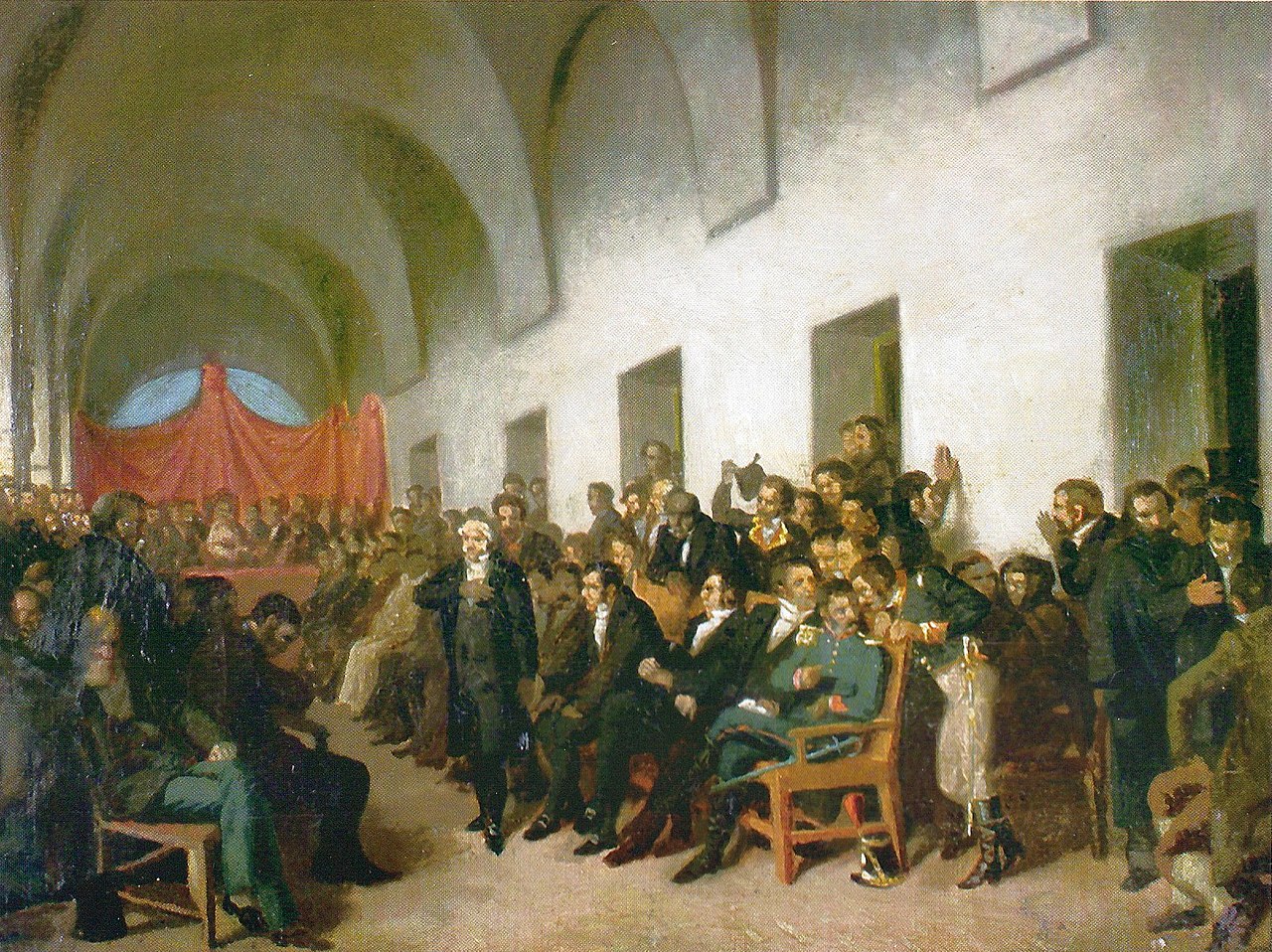
The immediate trigger was a series of public meetings and political maneuvers in the city. Local leaders organized an open cabildo — a public council — to decide the legitimacy of the viceroy's authority and the form of local government. Pressure from different social and political groups culminated in the removal of Viceroy Baltasar Hidalgo de Cisneros and the announcement of the Primera Junta on 25 May 1810. Although the new body took power locally, it initially styled itself as governing in the name of the deposed king rather than declaring full independence.
Key participants and factions
The movement involved a mix of criollo (American-born) leaders and urban groups with differing objectives: some sought greater autonomy while preserving ties to the monarchy of Ferdinand VII, others pressed for outright independence. Military officers, merchants, intellectuals and neighborhood militias all played roles. Prominent personalities of the period went on to lead the later struggle for independence and institutional reform.
Consequences and wider significance
The May events set off a chain of regional conflicts and political experiments across the former viceroyalty. They marked the beginning of the Argentine War of Independence, even though a formal declaration of independence came only later at the Congress of Tucumán, which issued the Argentine Declaration of Independence in 1816. The revolution also inspired and interacted with uprisings and counter-revolts in neighboring provinces and colonies, shaping the emergence of new states in South America.
Notable facts and legacy
- The May Revolution is celebrated annually as a defining moment in Argentine national identity.
- Although aimed at local self-government, early leaders often framed their actions as preserving the rights of the deposed monarch rather than immediately severing ties with Spain.
- The political changes initiated in 1810 contributed to decades of military and diplomatic struggle that reshaped the map of southern South America.
For further reading and primary sources, consult collections of documents and scholarly accounts that analyze the events of May 1810 and their aftermath in the Río de la Plata region.
Related articles
Author
AlegsaOnline.com May Revolution (1810) — Buenos Aires uprising and the Primera Junta Leandro Alegsa
URL: https://en.alegsaonline.com/art/63080