
Buenos Aires: Argentina's capital and cultural metropolis
Overview of Buenos Aires: location on the Río de la Plata, history, neighborhoods, culture, government status and economic importance as Argentina's autonomous federal capital.
Buenos Aires is the capital and largest city of Argentina, located on the southern shore of the Río de la Plata estuary. As an international port and dense urban area, it functions as the main political, cultural and economic center of the country. Its metropolitan culture blends European influences with Latin American traditions, visible in architecture, cuisine and the arts. For general reference see the city's role as a capital and largest city and its continental setting in South America.
Image gallery
10 Images


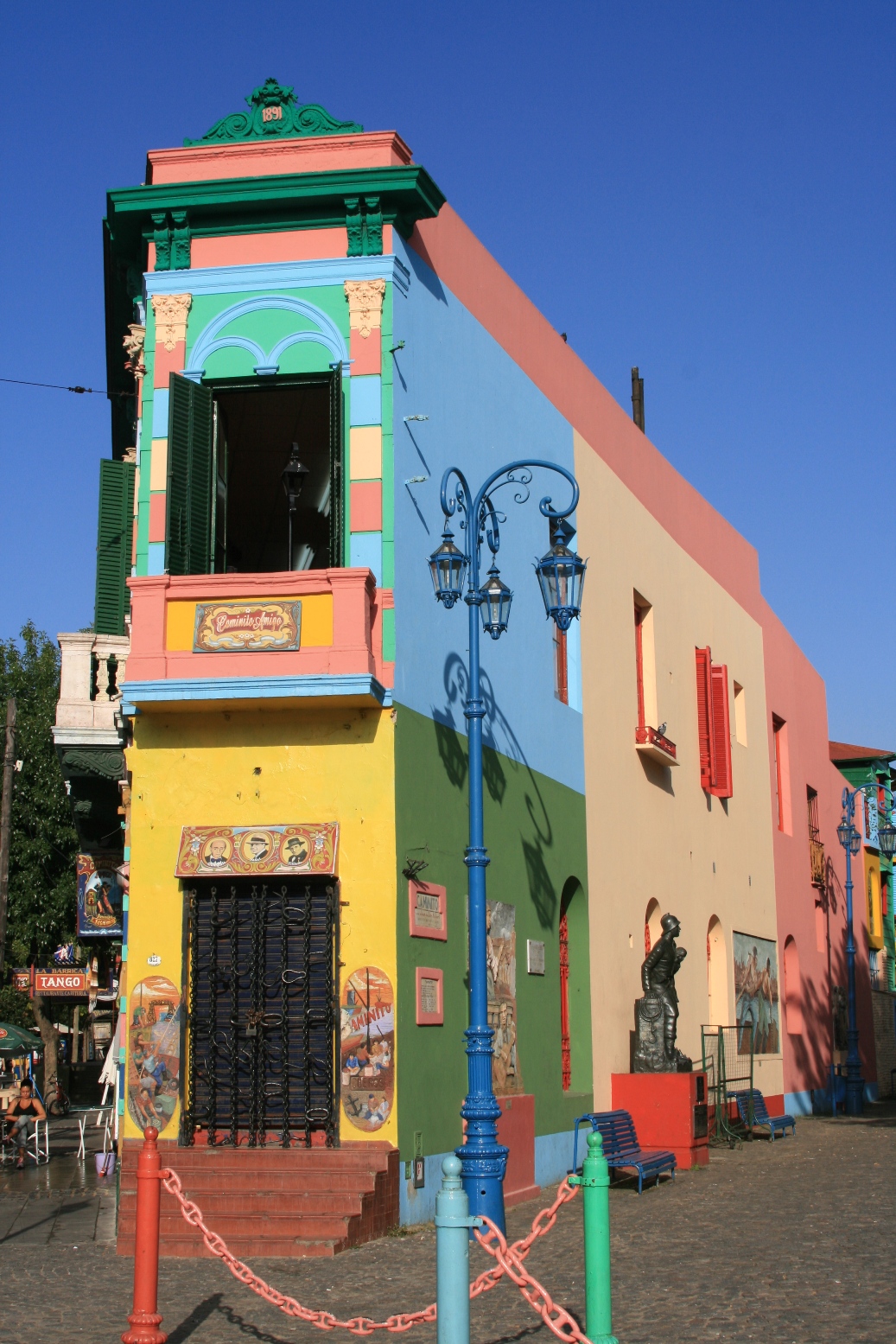


Geography and urban structure
Buenos Aires sits on the fertile plains known as the Pampas and forms the core of a larger metropolitan region. The city is divided into many neighborhoods (barrios), each with a distinct character. Street grids, broad avenues and tree-lined parks are common, and the riverside areas offer promenades and port facilities. The city's urban fabric contrasts older colonial sectors with late 19th- and 20th-century European-inspired boulevards.
Neighborhoods and landmarks
- La Boca — colorful houses, port history and tango origins.
- San Telmo — colonial streets, antique markets and traditional cafes.
- Recoleta — upscale area known for its cemetery, museums and ornate architecture.
- Palermo — large parks, design districts and contemporary dining scenes.
Other notable places include grand avenues such as Avenida de Mayo, public squares, theaters and museums that together form a rich cultural itinerary.
History and political status
The site of Buenos Aires was first settled in the 16th century and later reestablished during the colonial period. Over centuries the city grew into a key port for regional trade and immigration, shaping a cosmopolitan population. In 1880 the city was designated the federal capital of the nation, and in 1994 constitutional reform granted it an autonomous political status, allowing citizens to elect their local authorities. The city is administratively distinct from Buenos Aires Province while remaining the national seat of government in Argentina.
Culture, economy and significance
Buenos Aires is widely regarded as a cultural capital: it is famous for tango music and dance, a prolific publishing and theater scene, and a calendar of festivals. Economically, the city hosts major financial institutions, corporate headquarters, universities and research centers, and a busy port that has driven growth for generations. Tourism, gastronomy and creative industries contribute substantially to the urban economy.
Distinctive facts and role today
Today Buenos Aires is a dynamic metropolis that balances historic neighborhoods with modern development. It serves as the primary gateway for international visitors to Argentina, a hub for higher education and the arts, and the center of national political life. Visitors and residents alike find a city of lively public spaces, strong civic institutions and a diverse cultural landscape.
For further official information and resources, consult municipal or national publications and local cultural guides.
Capital information · Regional context · Country overview · Provincial distinction
Related articles
Author
AlegsaOnline.com Buenos Aires: Argentina's capital and cultural metropolis Leandro Alegsa
URL: https://en.alegsaonline.com/art/15114
Sources
- travelandleisure.com : "Travel+Leisure: Buenos Aires Reinventing Itself"
- bue.gov.ar : "Sitio oficial de turismo de la Ciudad de Buenos Aires"
- censo2010.indec.gov.ar : "Argentina: Censo2010"
- hdr.undp.org : "Reports | National Reports | Latin America and the Caribbean | Argentina | Human Development Reports (HDR) | United Nations Development Programme (UNDP)"
- smn.gov.ar : "Caracteristicas Climaticas de la Ciudad de Buenos Aires"
- infobae.com : infobae.com/2012/06/14/1052348-mexico-df-buenos-aires-y-san-pablo-los-destinos-turisticos…