
Mecha: Piloted Walking Vehicles in Science Fiction and Popular Culture
Overview of mecha—piloted walking machines in fiction and media—covering design types, history, real-world parallels, thematic roles, and notable examples across entertainment and technology.
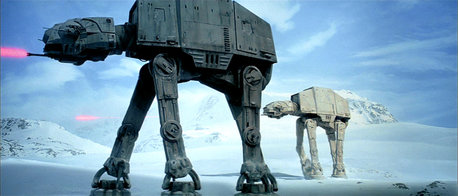
Mecha are large, usually piloted machines—often humanoid in form—found widely in science fiction and related media. As a concept they blend engineering ideas with storytelling: mecha serve as combat platforms, industrial tools, rescue apparatus, or narrative devices that explore human-machine relationships. The basic notion of a walking vehicle appears across media; for a general depiction see walking vehicles.
Image gallery
6 Images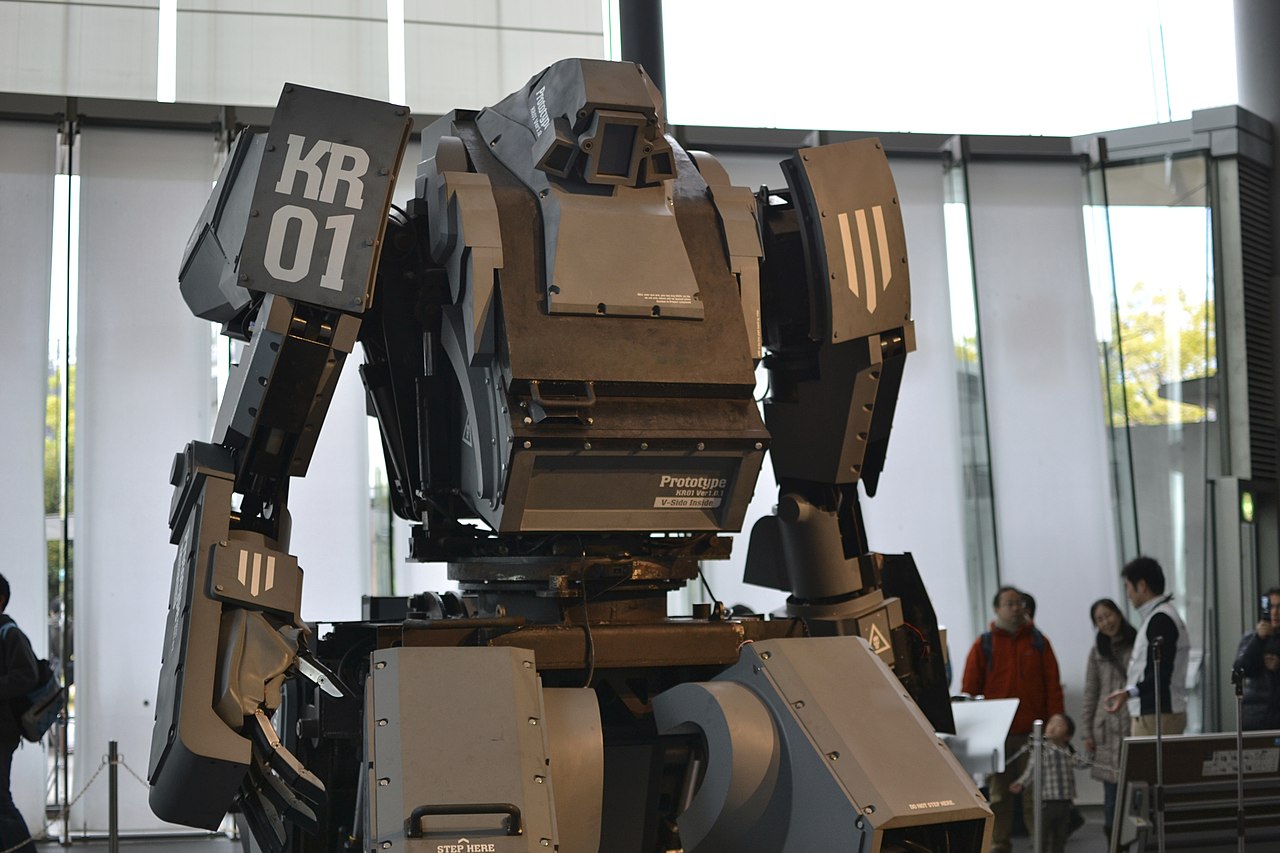

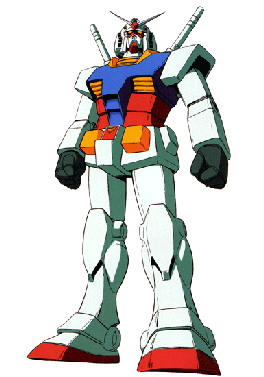
Design types and subgenres
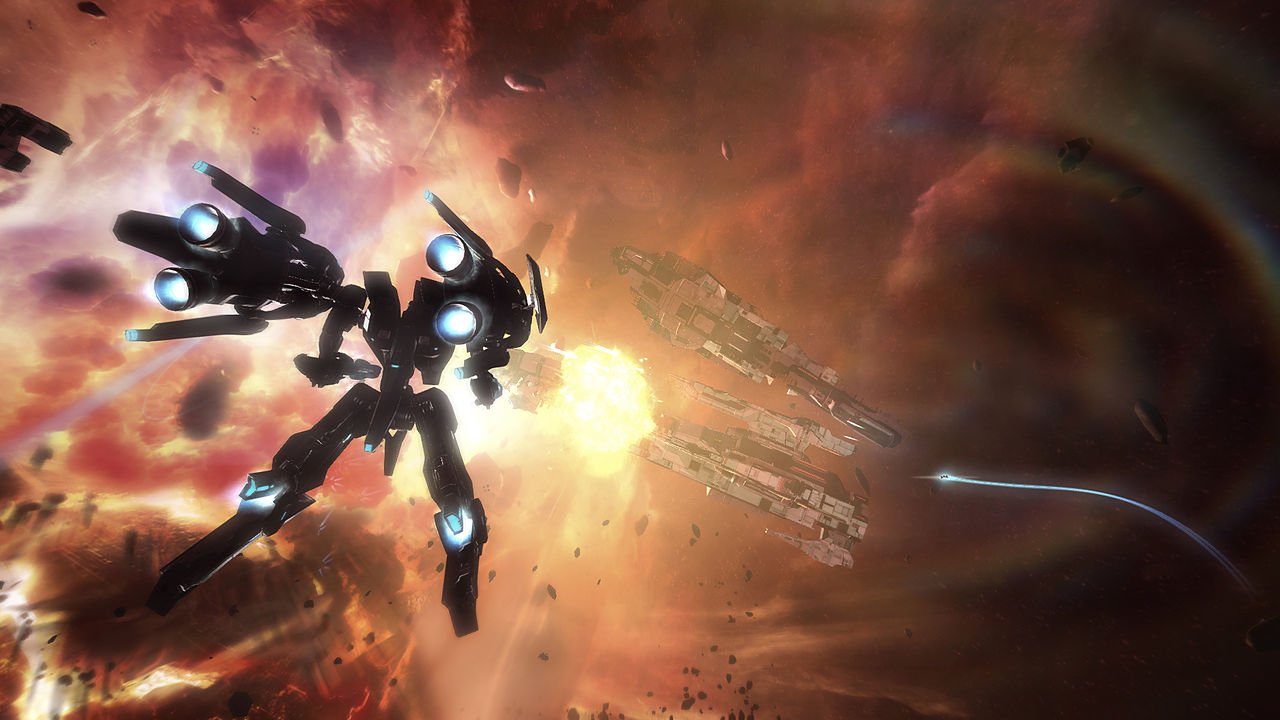
Fictional mecha vary from wearable exosuits to skyscraper-sized walkers. Two broad fictional subgenres are often contrasted: the more fantastical, anime-rooted "super robot" type characterized by heroic, exaggerated machines, and the "real robot" approach that treats mecha as military hardware integrated into political and logistical systems. Typical design elements include articulated limbs, a cockpit for one or more pilots, sensor arrays, and modular weapons or tools.
Historical influences and media
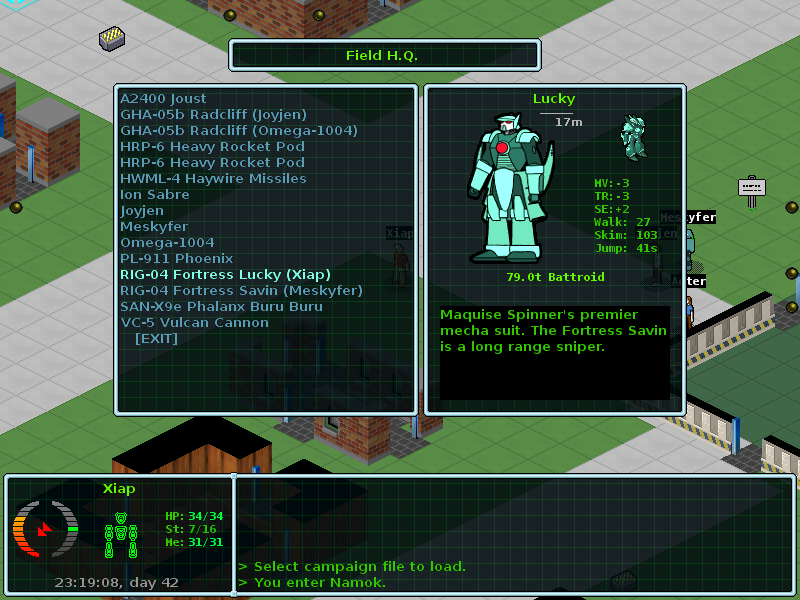
The modern image of mecha was established through comics, animation, and tabletop games. Japanese animation helped popularize pilot-centered, humanoid machines and used them to examine personal and societal themes; these works are commonly categorized under broader science fiction. Specific titles and franchises that illustrate varied approaches include Patlabor and many others in both Eastern and Western media. Tabletop and video games, including the tactical franchise Battletech, expanded mecha into simulation and strategy formats.
Roles in fiction and civilian contexts
While combat is a frequent focus, many stories imagine nonmilitary uses: heavy construction, cargo handling, municipal services and emergency response. Works sometimes depict mecha used for civil engineering or transport (civilian), law enforcement and crowd control (police), or hazardous-duty tasks such as aerial rescue and urban fire suppression (firefighting).
Real-world parallels and engineering challenges
Real robotics research explores bipedal and multi-legged machines, powered exoskeletons, and teleoperated platforms. Practical constraints—power density, actuator strength, balance and control, and safety—limit how closely fiction can be mirrored. Nevertheless, concepts from fiction influence design thinking and public interest in robotics, while hobbyist communities support model building and creative reinterpretation.
Cultural impact
Mecha have become a persistent motif in global popular culture, appearing in animation, film, comics, games, and model hobbies. They function both as spectacular machines and as vehicles for themes like technology's ethical use, the cost of warfare, and the psychology of pilots and operators. For readers interested in the variety of portrayals and technical discussion, see works and resources linked above.
Related articles
Author
AlegsaOnline.com Mecha: Piloted Walking Vehicles in Science Fiction and Popular Culture Leandro Alegsa
URL: https://en.alegsaonline.com/art/63345