
Chickpea (Cicer arietinum): Overview, Uses, History, and Nutrition
Chickpea (Cicer arietinum), also called garbanzo bean, is a widely grown legume prized for its nutrition, culinary versatility, and role in sustainable farming and traditional cuisines worldwide.
Overview
The chickpea (Cicer arietinum) is a cultivated legume widely grown for its edible seed. Often called the garbanzo bean or simply gram, the chickpea is a staple in many regional cuisines and agricultural systems. Its seeds are available dried or canned and may be prepared whole, mashed, or ground into flour. Historically and botanically it belongs to the family of legumes and is commonly referred to in English as a bean.
Image gallery
10 Images






Botanical characteristics and varieties
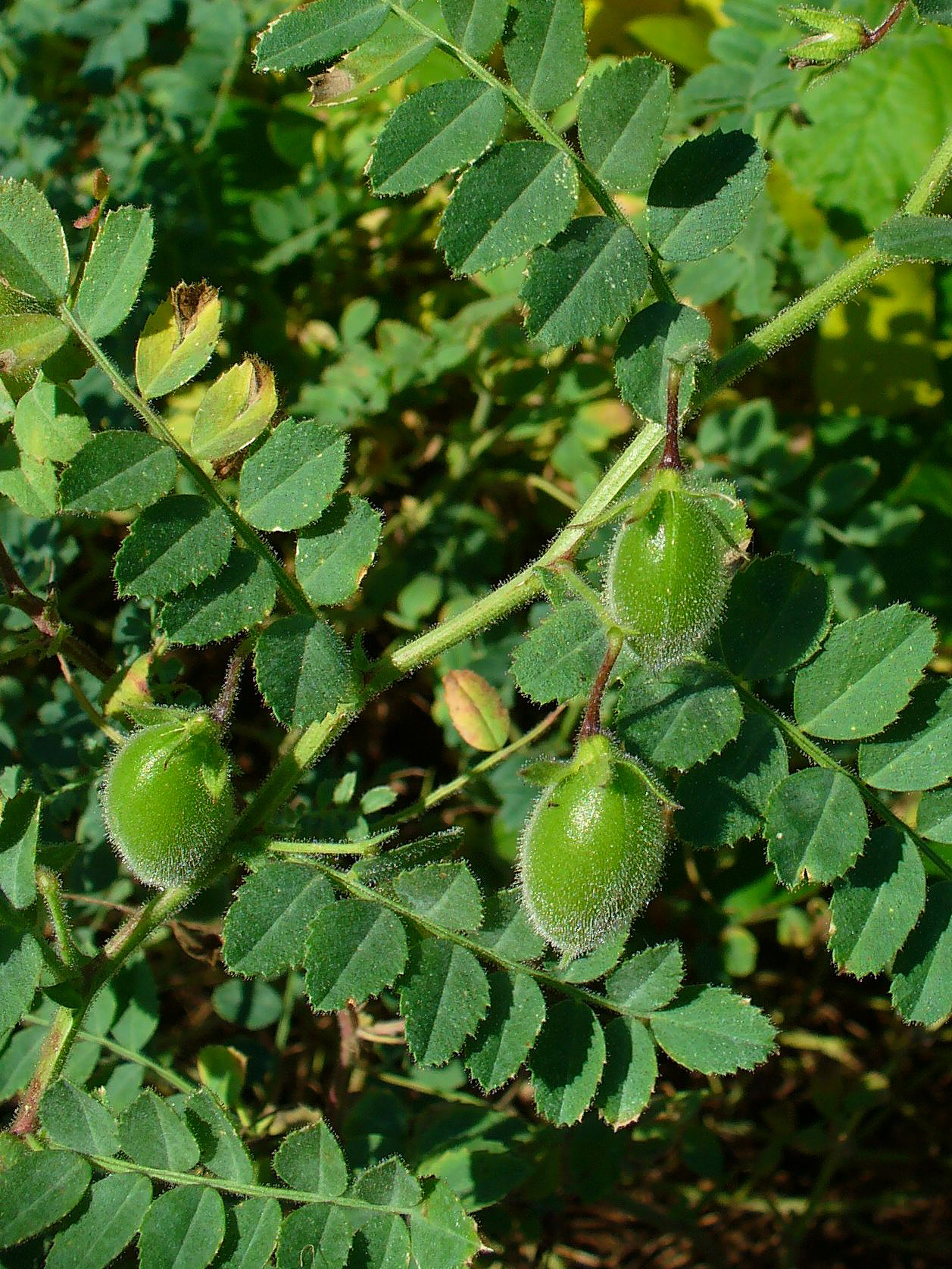
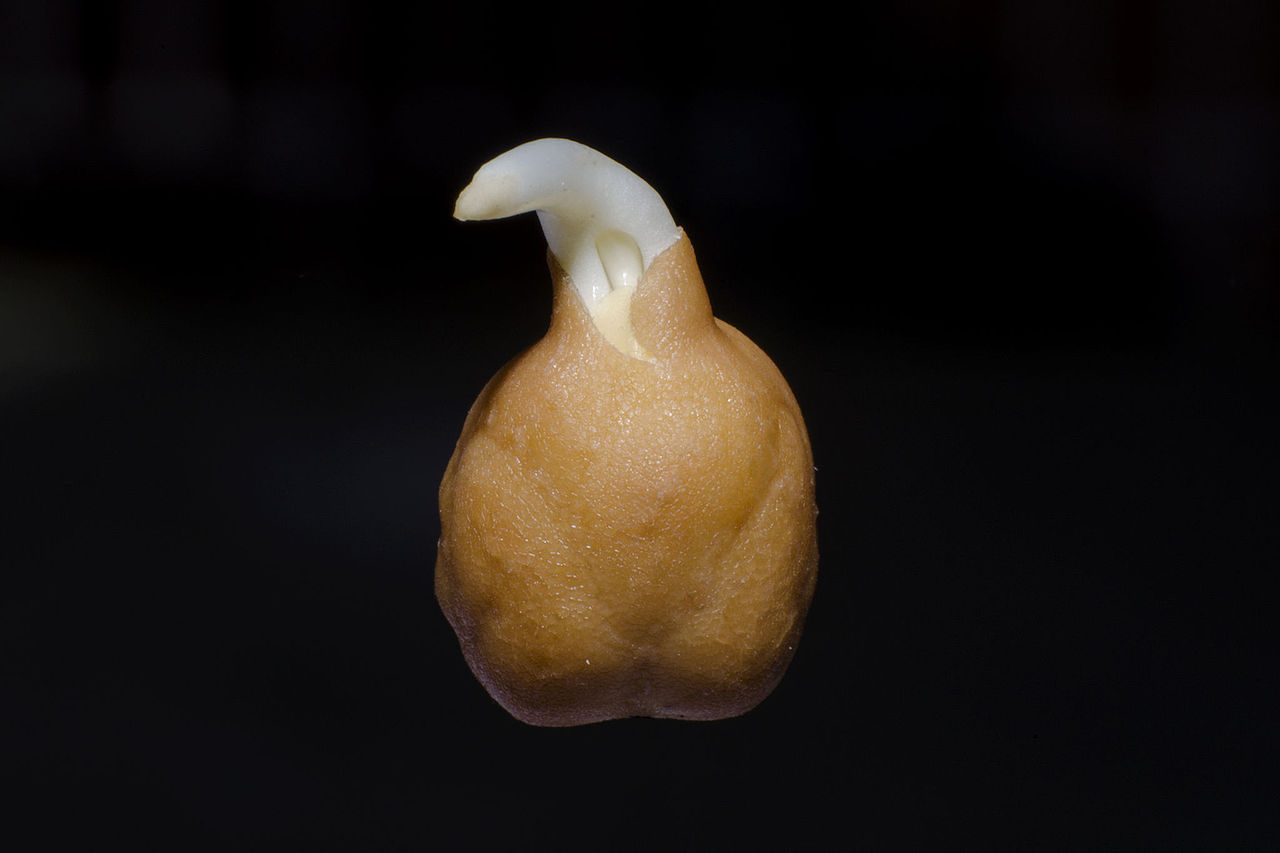
Chickpeas are annual plants with pinnate leaves and small white to pink flowers that develop into pods containing one to three seeds. Two broad types are cultivated worldwide: the larger, lighter-colored kabuli type and the smaller, darker desi type. Seeds range from pale beige to dark brown and differ in size, texture, and culinary use. Chickpea seed can be rehydrated for soups and stews, roasted as a snack, or milled into a protein-rich flour used in many regional dishes.
History and domestication
Evidence suggests chickpeas were among the first pulses domesticated in the Near East during the Neolithic period. Archaeobotanical records place early cultivation in the Fertile Crescent and adjacent regions, and some sources trace domestication to the Middle East roughly several millennia BCE. Over centuries the crop spread into South Asia, the Mediterranean, Africa, and later to the Americas, adapting into local varieties and culinary traditions.
Agriculture and global production
Chickpeas are adapted to warm, dry climates and are valued as a rotation crop because they fix atmospheric nitrogen, improving soil fertility. Production is concentrated in South Asia, the Mediterranean basin, parts of Africa, and Australia. Records from 2008 report that Pakistan produced nearly 6 million tonnes, reflecting the crop's importance in that region. Modern cultivation emphasizes drought tolerance, disease resistance, and yield stability.
Culinary uses and examples
Chickpeas are versatile in the kitchen. Whole cooked seeds appear in salads, soups, and stews; mashed chickpeas form the base for spreads and fritters; and ground chickpea flour is used in batters, breads, and flatbreads. Classic preparations include Middle Eastern hummus, South Asian chana dishes and gram-flour fritters, Mediterranean salads, and fried snacks. Canned chickpeas offer convenience, while dried seeds are economical for long-term storage and large-scale cooking. Many cooks soak and boil dried chickpeas before further use in cooking or blend them into purées such as hummus.
Nutritional profile and dietary role
Chickpeas are a nutrient-dense food. They provide plant-based protein, dietary fiber, complex carbohydrates, and several micronutrients, including zinc, folate, iron, and B vitamins. This combination makes them valuable in vegetarian and vegan diets, where they contribute to satiety, muscle maintenance, and micronutrient intake. Because of their fiber content, chickpeas also support digestive health and have a moderate effect on blood glucose compared with refined grains.
Notable facts and distinctions
- Names: Common names vary—"chickpea," "garbanzo," and regional terms such as "chana" or "gram."
- Forms: Available as fresh green pods in some markets, dried pulses, canned, roasted snacks, or milled into besan (gram) flour.
- Sustainability: As a legume, chickpeas contribute to crop rotations and can reduce the need for synthetic nitrogen fertilizers.
For readers interested in further reading or recipes, consult regional cookbooks and agricultural guides to explore the many culinary and farming practices associated with this ancient and still widely cultivated crop.
Questions and answers
Q: What is a chickpea?
A: A chickpea is a yellow edible legume (bean) that can be used for cooking.
Q: How are chickpeas sold?
A: Chickpeas can be bought canned or dried.
Q: Where was the first chickpea grown?
A: The first chickpea was grown in the Middle East about 7,500 years ago.
Q: Where is the most popular place for chickpeas to grow?
A: The most popular place for chickpeas to grow is in Pakistan.
Q: What is another name for chickpeas that are grown in India?
A: Chickpeas that are grown in India are also known as the Indian pea.
Q: Why are chickpeas important for vegetarians or vegans?
A: Chickpeas can be an important part of a vegetarian or vegan diet, since they come from a plant and contain a great deal of protein, zinc and folic acid.
Q: How can chickpeas be used in cooking?
A: Chickpeas can be boiled and served whole or mashed, such as in the popular dish hummus. They can also be ground into a flour, called "besan" or "gram" flour, used in South Asian cooking.
Related articles
Author
AlegsaOnline.com Chickpea (Cicer arietinum): Overview, Uses, History, and Nutrition Leandro Alegsa
URL: https://en.alegsaonline.com/art/19577
Sources
- forward.com : "Chickpeas — On Language"
- fao.org : "FAOSTAT"