
Acapulco (Acapulco de Juárez) — Pacific port city in Guerrero, Mexico
Acapulco is a major Mexican Pacific port and resort city on a deep semicircular bay. Known for its beaches, cliff diving and 20th-century tourism boom, it has a layered history as a colonial port and modern destination.
Overview
Acapulco de Juárez, commonly shortened to Acapulco, is a coastal city and port on Mexico's Pacific coast. It sits in the state of Guerrero and has long been an important maritime stop roughly 300 km (190 miles) southwest of Mexico City. The city's name derives from the Nahuatl language and is usually interpreted to mean a place of abundant reeds. Visually striking, Acapulco occupies a deep, semi-circular bay and affords natural shelter that has shaped its role as both a working harbor and a resort destination.

Image gallery
10 Images


Geography and climate
Located where coastal mountains meet the sea, Acapulco's topography includes steep hillsides that descend to sandy and rocky shorelines. The climate is tropical with a distinct wet season and warm temperatures year-round, which supports tourism and coastal recreation. Its deep bay makes it accessible to cruise ships and cargo vessels, and the port remains active in regional shipping lanes connecting places like Panama and San Francisco.
History and development
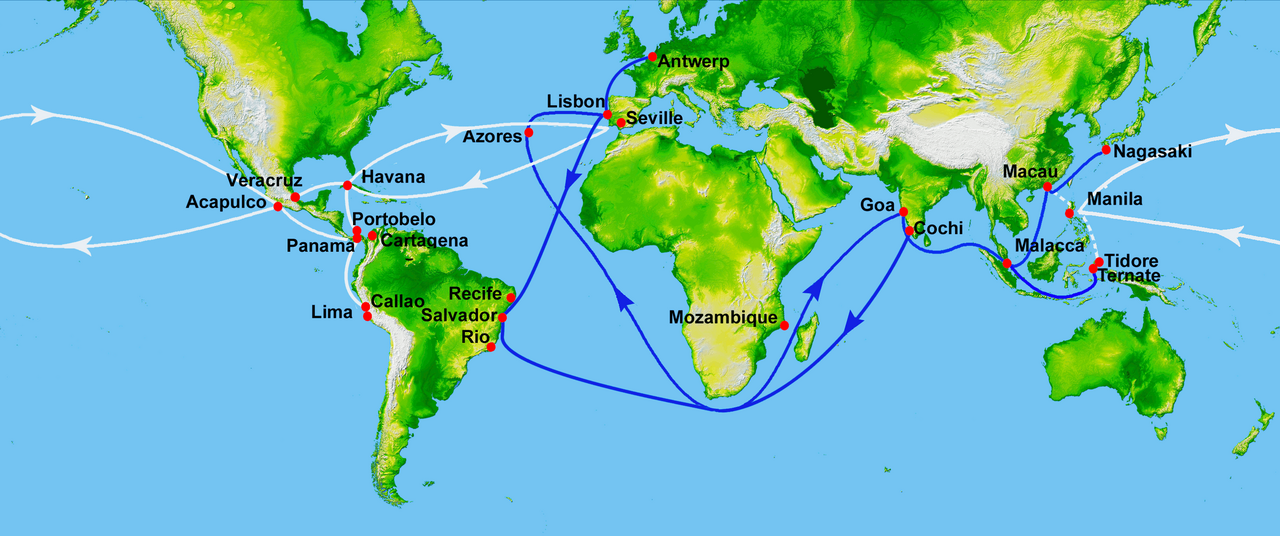
From early colonial times Acapulco served as a trans-Pacific link. Beginning in the 16th century, the bay became the Mexican terminus of the Manila galleon trade that connected Asia and the Americas, bringing goods, crews and cultural exchange. Over subsequent centuries the port continued as a maritime hub. During the 20th century Acapulco transformed into an international resort, attracting visitors with beaches, hotels and a glamorous reputation that drew film and music personalities.
Tourism, culture and attractions
Tourism is the defining industry: beaches, resorts and nightlife are central, alongside distinctive local traditions. A well-known spectacle is the cliff divers of La Quebrada, who perform dramatic dives from high rock outcrops into a narrow ocean inlet. Other draws include historic neighborhoods, seafood markets, and seasonal festivals. Visitors may use air and sea links to reach the city; its airport and cruise facilities help sustain international arrivals and domestic travel. For practical travel information see local port and airport resources here.
Economy and infrastructure
Beyond tourism, the local economy includes fishing, port services and small industries. Roads and highways connect Acapulco with inland regions and the capital; the city historically served as a terminus for long-distance maritime routes begun many centuries ago in the 1500s. Efforts to modernize infrastructure and diversify economic activity have been part of municipal planning in recent decades.
Notable facts and challenges
- Acapulco is officially named Acapulco de Juárez in honor of the 19th-century Mexican leader Benito Juárez.
- The city is famous for cliff diving at La Quebrada and its mid-20th-century resort era.
- As a coastal urban center, Acapulco faces challenges linked to coastal erosion, environmental pressures and the need for sustainable tourism planning.
For a concise orientation and practical links on travel, history and local government consult regional resources and tourism guides, or specialized cultural pages on the area's indigenous and colonial past here, and further reading available through official port and municipal pages here and cultural archives here. Additional informational resources can be found via travel advisories and heritage organizations here, regional shipping information here, linguistic background on the toponym here, and historical trade studies here. For transport schedules and bookings consult local carriers and cruise operators here and airport service pages here.
Tags
Related articles
Author
AlegsaOnline.com Acapulco (Acapulco de Juárez) — Pacific port city in Guerrero, Mexico Leandro Alegsa
URL: https://en.alegsaonline.com/art/621