
Colima (Mexican state)
Colima is a small coastal state in western Mexico with about 760,000 residents, known for its active volcano, the port city of Manzanillo, agriculture, and coastal tourism.
Overview
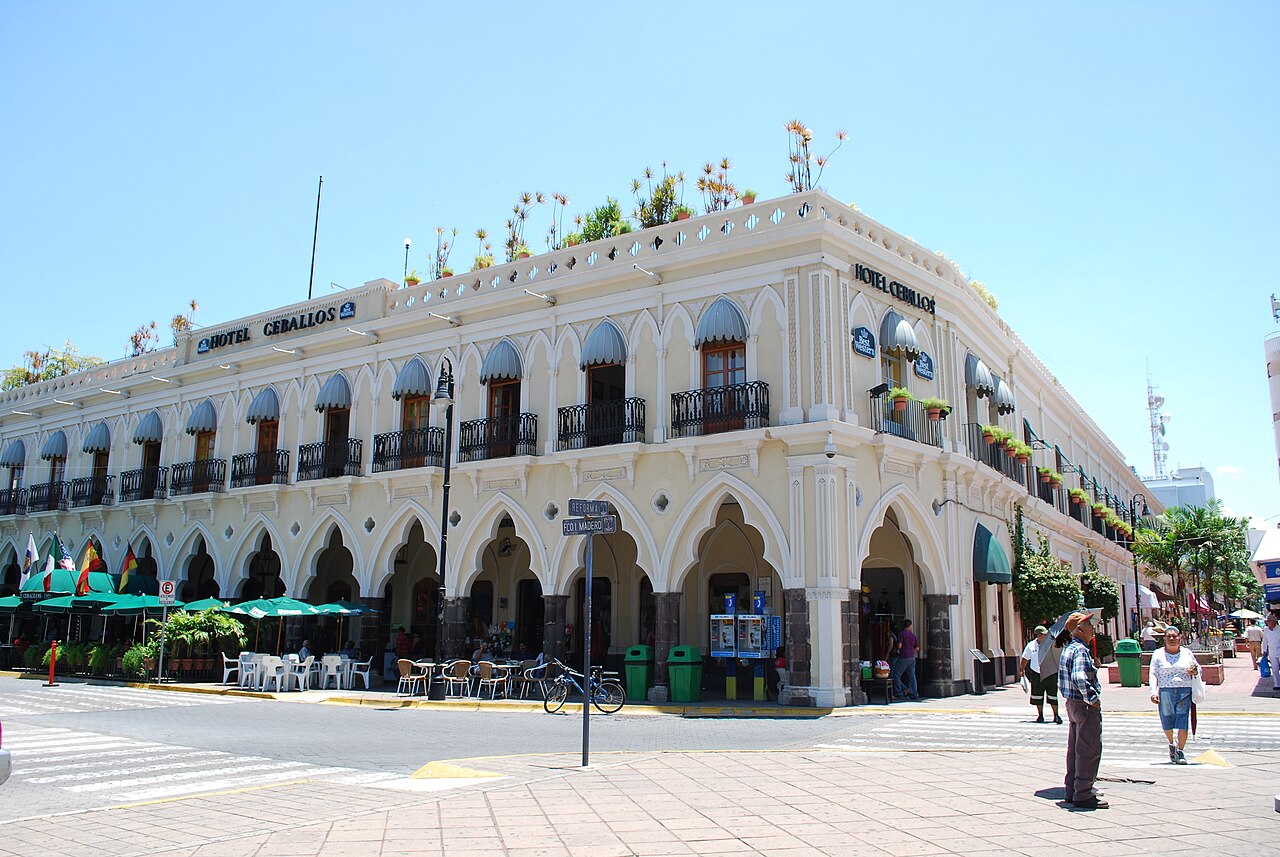
Colima is one of Mexico's 32 federal entities and sits on the Pacific coast of west Mexico. The state has a relatively small population — roughly 760,000 people — and its administrative seat and namesake city is Colima. Colima's compact size and coastal location shape its economy and culture.
Image gallery
10 Images





Geography and climate
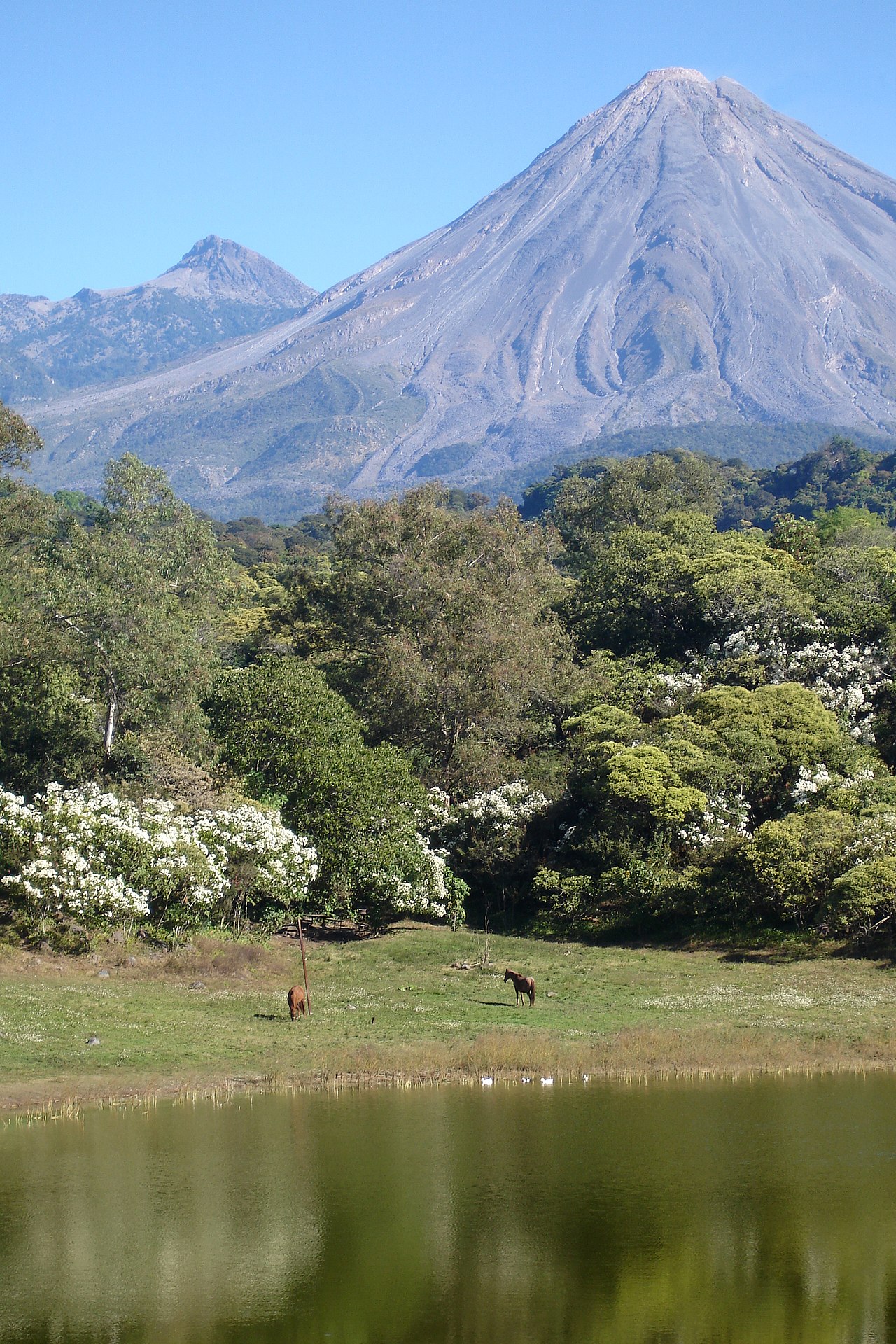
The state combines coastal plains, agricultural valleys and volcanic highlands. It borders the states of Jalisco and Michoacán and fronts the Pacific Ocean. The landscape is dominated by the Colima Volcano complex — including the frequently active Volcán de Colima — and by tropical to subtropical coastal zones. Inland elevations produce milder, wetter conditions, while the coast is warmer and more humid.
History and development
Human settlement in the Colima region predates the arrival of Spaniards; indigenous communities developed agriculture and regional trade routes. During the colonial era the area was reorganized under Spanish administration, and the city of Colima became a regional center. In the 19th and early 20th centuries the arrival and expansion of coastal trade helped grow the port town of Manzanillo into an important harbor for the Pacific.
Economy, society and culture
Colima's economy mixes agriculture, fishing, port commerce and tourism. Farms produce sugarcane, tropical fruits, limes, coffee and cattle products, while the port city of Manzanillo handles significant shipping and cruise traffic and supports related industries. Local culture reflects a blend of indigenous, Spanish and coastal traditions, visible in festivals, regional cuisine and handicrafts.
Notable facts and distinctions
- The state is among Mexico's smallest by land area but punches above its weight economically because of its port and agriculture.
- Volcán de Colima is one of Mexico's most active volcanoes; eruptions and ash emissions occasionally affect nearby communities and shipping.
- Manzanillo serves as the state's principal commercial hub and busiest maritime gateway.
- Colima combines biodiversity in coastal and montane ecosystems, with several protected areas and scenic beaches that attract visitors.
For a concise reference on administrative matters, demographic data and travel information, consult official resources and updated guides or regional overviews provided by government and tourism offices (state portals and regional publications often maintain current details).
Tags
Related articles
Author
AlegsaOnline.com Colima (Mexican state) Leandro Alegsa
URL: https://en.alegsaonline.com/art/21535