
Maritime, Fluvial and Harbor Museum of Rouen
Museum in Rouen dedicated to the history, technology and social life of the port and the Seine: vessels, shipbuilding, river navigation, merchant navy, whaling artefacts and a Nautilus interior reproduction.
Overview
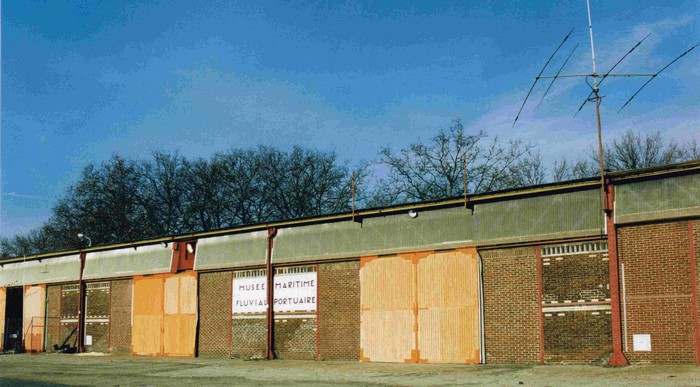
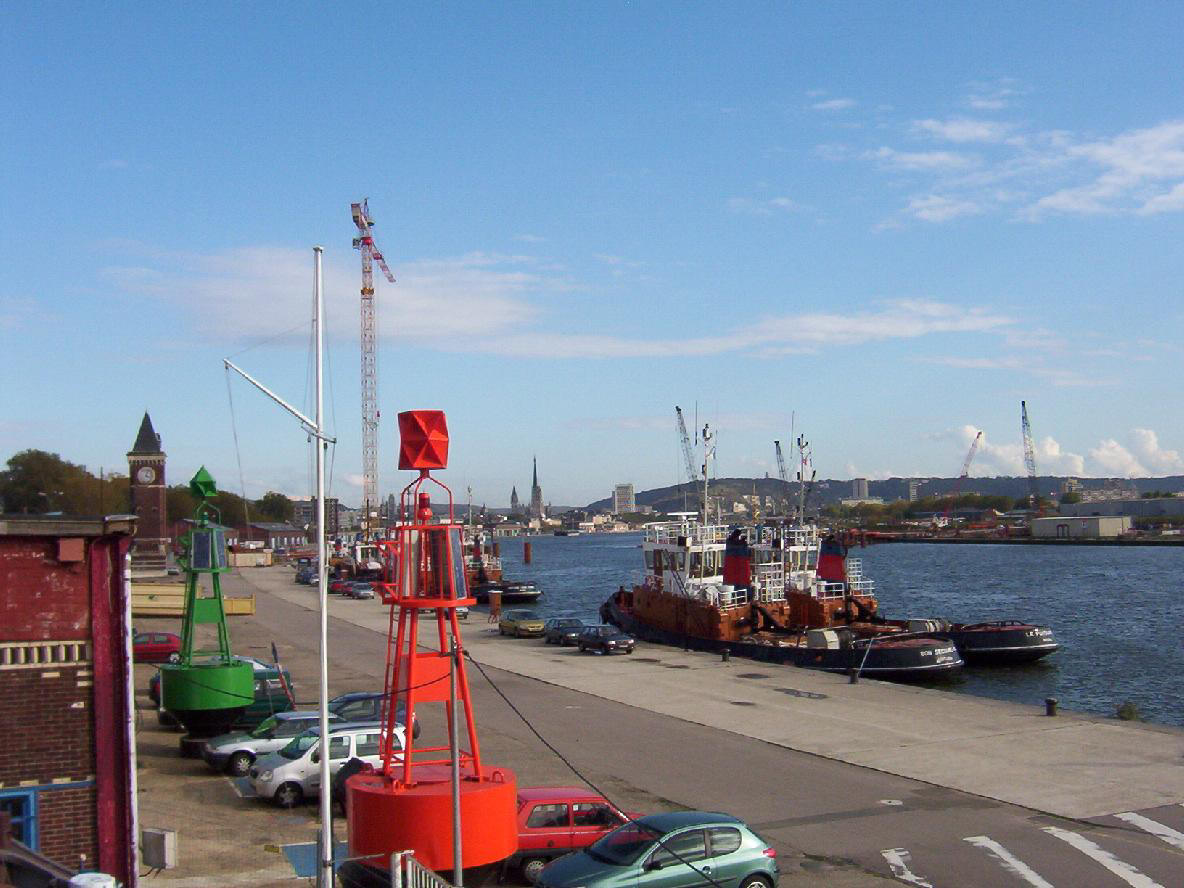
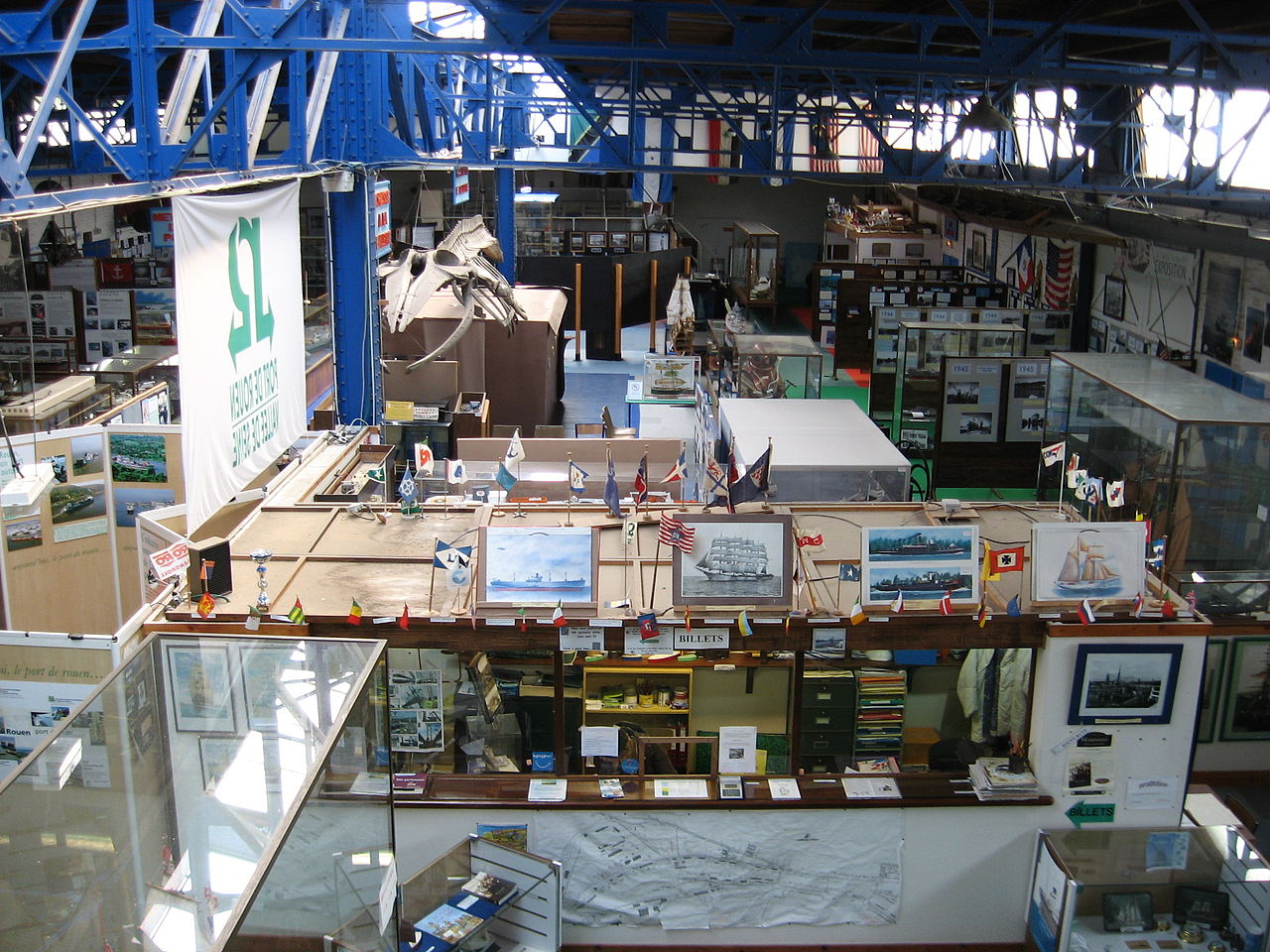
The Maritime, Fluvial and Harbor Museum of Rouen presents the maritime and river heritage of Rouen and its port on the Seine. Located in a former port hangar close to the modern bridge, the museum interprets how sea-going, coastal and inland navigation shaped the city, regional trade and local industries. Exhibits combine photographs, archival documents, models, full-size craft and working machinery to explain the development of docks, quays and shipping services from regional river traffic to links with Atlantic trade. Visitors encounter both broad narratives and technical explanations about vessels, port infrastructure and the communities who worked there.
Image gallery
10 Images





History of the site and building
The museum occupies an industrial quayside structure that preserves the relationship between objects and their original working environment. The hangar setting allows display of large craft and engines in a context similar to historic repair and loading areas. Interpretive material situates the museum's collections within Rouen's long role as a major French port and inland gateway, while explaining changes in ship types, cargo handling and dock technology over time. For additional context see the museum's official site and its English page for basic visitor information.
Collections and principal themes
The museum groups material by function and period to give a coherent account of maritime and fluvial activity. Major themes include:
- Port history and photographic archives that trace urban and industrial development along the Seine.
- Shipbuilding items such as tools, plans and models that demonstrate construction techniques used in local yards and workshops.
- River navigation equipment for inland commerce, pilotage and the particular demands of navigating the Seine.
- Submarine history with interpretive displays on early experimental craft and concepts.
- Maritime trade and the economic role of the port, covering merchant fleets, cargo handling and regional industry.
Notable objects and interactive displays
Among the larger attractions is a near 38-metre barge that visitors may board to view internal fittings and cargo spaces, alongside a preserved trawler and examples of barge motors. Heavy deck gear, winches and propulsion systems are displayed to illustrate typical working configurations. A whale skeleton is exhibited to reflect historical whaling ties to coastal economies and to prompt conversation about conservation and changing practices (whale exhibits). The museum also offers a reproduction of the interior of the Nautilus inspired by early submarine designs, acknowledging the inventive work of pioneers such as Robert Fulton (Nautilus reproduction).
Educational mission, research and events
The museum serves a diverse audience: historians, maritime enthusiasts, families and school groups. Guided tours, hands-on demonstrations and tailored activities explain cargo handling, hull design and engine operation at an accessible level. The institution maintains archives and reference collections that support research into port administration, shipyards and the merchant navy, and it collaborates with local heritage organisations to host temporary exhibitions and public events that highlight particular aspects of maritime life (Rouen, France).
Conservation and display challenges
Displaying large vessels, engines and skeletal remains requires specialised conservation, climate considerations and careful interpretation. The museum balances preservation needs with the desire for immersive visitor experiences: boardable craft are stabilized for safety, mechanical components are conserved and explanatory panels place technical material in social and economic context. The museum also discusses environmental changes affecting river and coastal navigation and how historical practices compare with contemporary standards (navigation).
Visiting and significance
Located on the quayside near a modern bridge, the museum emphasizes the links between exhibits and their working landscape. It demonstrates how harbor facilities served both ocean-going and river craft and highlights efforts to conserve large maritime objects that cannot easily be shown in traditional gallery spaces. Practical details, opening information and special programmes are published by the museum and in regional visitor guides; prospective visitors should consult the museum pages for the latest information (English page, official site).
By combining technical displays with social history, the Maritime, Fluvial and Harbor Museum of Rouen offers a rounded account of the port’s past and present, emphasising the interplay of riverine and maritime practices that shaped commerce, industry and everyday life along the Seine.
Related articles
Author
AlegsaOnline.com Maritime, Fluvial and Harbor Museum of Rouen Leandro Alegsa
URL: https://en.alegsaonline.com/art/62058