
Port (seaport and harbour): overview, functions, and history
A port is a coastal or inland facility where ships load, unload, and transfer cargo or passengers. This article covers components, history, roles in trade and defense, and common distinctions.
Overview
A port is a location on a coast, riverbank, or lakeshore where vessels stop to embark or disembark people and goods. Many ports are also called harbours or seaports; the terms overlap but can emphasize different features. Ports provide sheltered water and facilities that allow ships to be moored, loaded, unloaded, repaired, or resupplied. An effective port combines safe access by water with good connections to land transport and protection from severe weather such as strong wind and big waves.
Image gallery
10 Images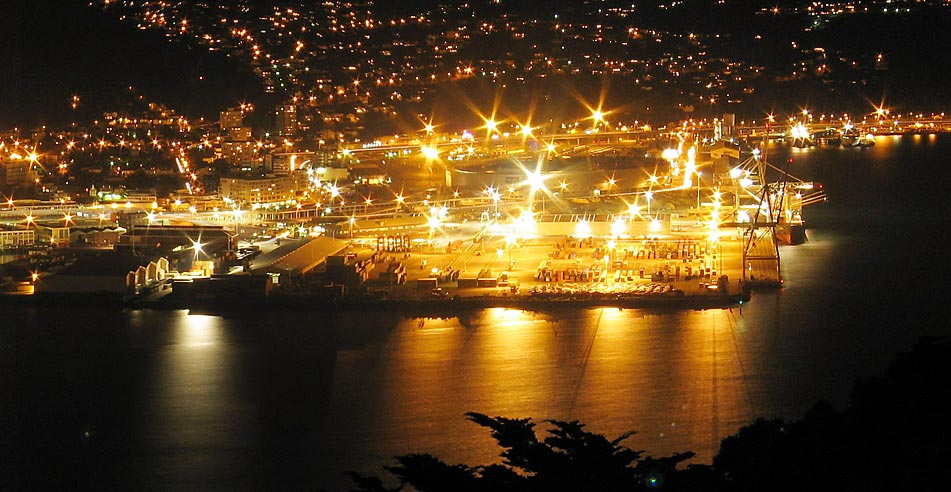







Main components and characteristics
Ports consist of a mixture of built and natural elements. Common features include quays and berths where vessels tie up; piers and jetties that extend into deeper water; warehouses and cargo terminals for storage and handling; and channels dredged to maintain sufficient depth. Other important elements are breakwaters and sea walls that shelter the harbor, cranes and container yards for modern cargo handling, passenger terminals for ferries and cruise ships, and customs and security facilities.
History and development
Ports have existed wherever waterways offered convenient landing places. From ancient trading hubs on the Mediterranean and major river ports in Asia and Africa to medieval mercantile centers, their locations shaped trade and settlement patterns. Technological shifts—steam power, railways, and especially containerization in the mid-20th century—transformed port design and operations, concentrating activity into larger, more mechanized terminals and changing hinterland logistics.
Functions and importance
Ports serve diverse roles in the economy and security of states. They are gateways for international trade, centres for fishing industries, points of departure for passenger services, and bases for naval forces and coastguard vessels. Ports often host value-added activities such as transshipment, warehousing, and light manufacturing. Efficient ports reduce transport costs, influence regional development, and can be strategic assets in peacetime and in conflict, supporting a nation's navy.
Types and distinctions
Ports are classified by location and function: seaports on the open coast, river ports upriver from the sea, inland ports linked to waterways or rail hubs, and transshipment ports that transfer cargo between ships. Distinctions also arise from specialization—container terminals, bulk cargo terminals, passenger ports, and naval bases. Key practical considerations when evaluating a port include water depth, tidal range, shelter, cargo-handling equipment, and the quality of road and rail links to the hinterland.
Notable facts
- Many modern ports are part of integrated logistics networks that extend far inland.
- Environmental and community concerns—such as dredging impacts and coastal development—are important in port planning.
- Some ports operate as freeports or special economic zones to encourage trade and investment.
Questions and answers
Q: What is a port?
A: A port is a place at the edge of an ocean, river, or lake for ships to load and unload their cargo.
Q: What can persons on ships do at a port?
A: Persons on ships can get on or off ships at a port.
Q: What is another name for a port?
A: A port is also called a harbour or harbor.
Q: What is a sea port?
A: A sea port is a port that is located at the edge of an ocean.
Q: What makes a good port?
A: A good port is easy to get to over water or land and is in a place that is not easily hurt by bad weather, like strong wind or big waves.
Q: Are all ports important for trade?
A: No, not all ports are important for trade; some ports are important to a country's navy.
Q: Why are some ports important to a country's navy?
A: Some ports are important to a country's navy for reasons such as strategic location, availability of resources, and suitability for naval operations.
Related articles
Author
AlegsaOnline.com Port (seaport and harbour): overview, functions, and history Leandro Alegsa
URL: https://en.alegsaonline.com/art/78240