
Rouen: History, landmarks and contemporary city in Normandy
Rouen is a historic city on the Seine in northern France, known for its medieval architecture, cathedral, role in Norman and French history, university and port connections to the English Channel.
Overview
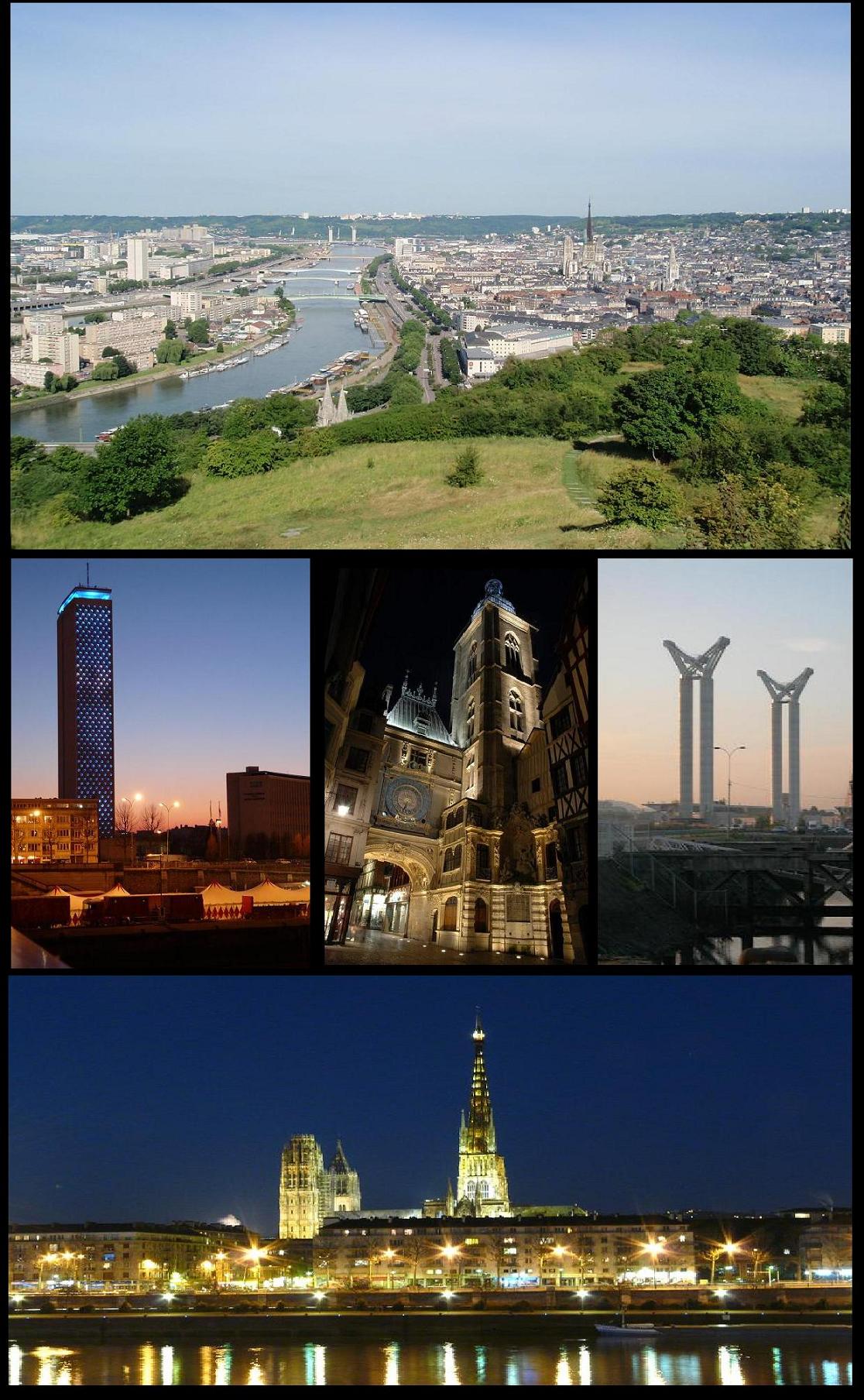
Rouen is an historic urban centre in northern France, long recognised as an administrative and cultural hub. It is officially a commune and serves as the prefecture of what was historically the region of Upper Normandy and the Seine-Maritime department. The city lies on the river Seine and has been a principal node for trade, religion and governance in the region for many centuries.
Image gallery
10 Images



Geography and climate
Rouen stands on the banks of the Seine, where the river valley has allowed access toward the English Channel. The city's climate is temperate oceanic (Cfb in the Köppen classification), with mild winters, cool summers and relatively steady precipitation year-round. A large maritime port complex associated with Rouen lies downstream on the Seine estuary, giving the city links to international shipping at a distance of roughly 60 km from the city center.
Historical development
The site of Rouen has been occupied since antiquity. The area hosted early settlements before and during Roman times, and the Romans established a settlement known historically as Rotomagus; this reflects the city's long urban presence. From the late Roman period the town grew in religious and administrative importance and became the seat of a bishop. In the early medieval era Rouen fell under Norse influence when Vikings established themselves along the Seine and the city later became the capital of the Duchy of Normandy. Control of Rouen changed several times between competing regional and royal powers. During the later Middle Ages the city was contested in the conflicts between England and France; it was occupied by English forces during the Hundred Years' War, and it is notably the place where Joan of Arc was tried and executed in 1431. Rouen was re-integrated into the French crown in the late 15th century.
Architecture, art and landmarks
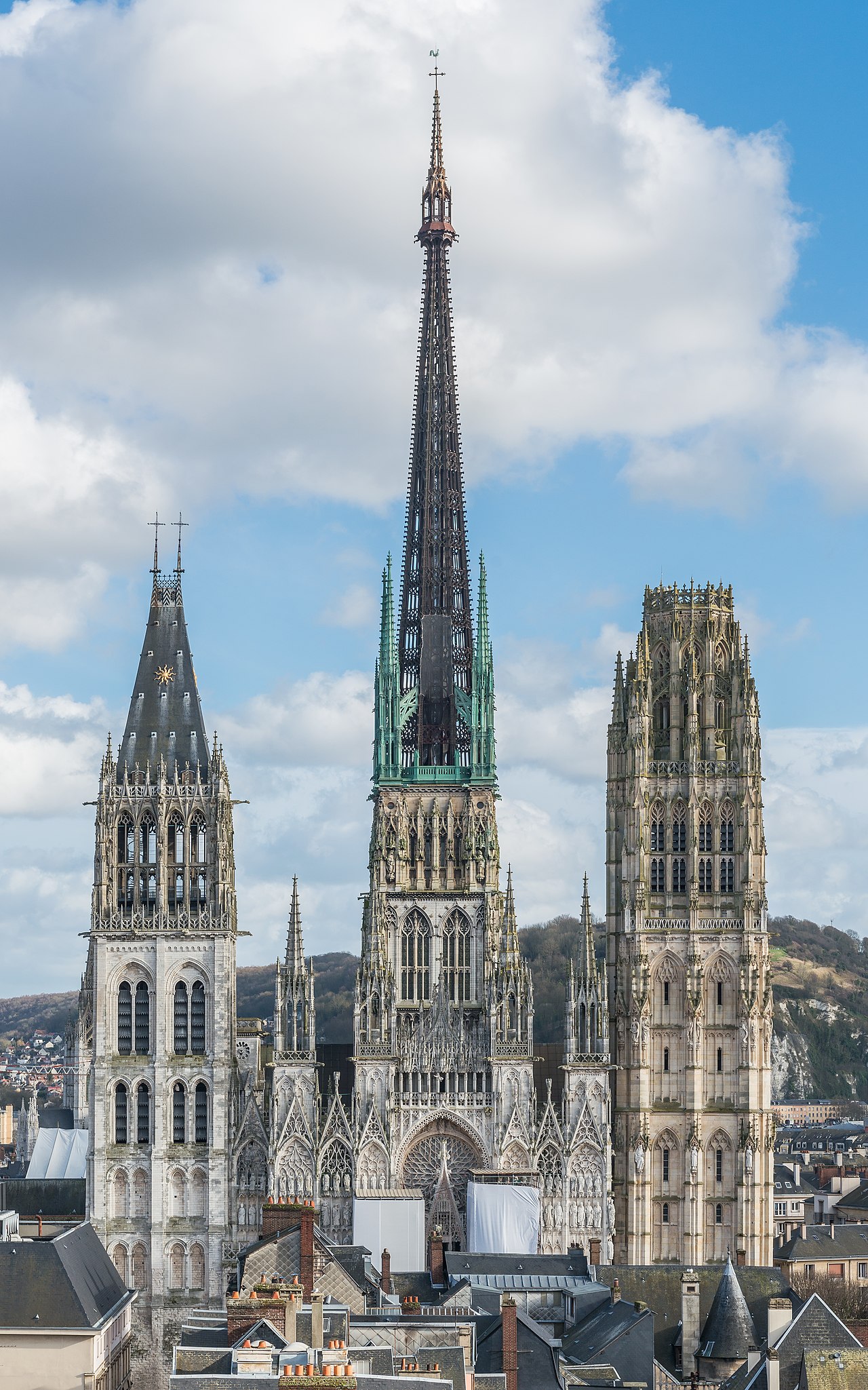
Rouen retains a rich architectural heritage. The Gothic cathedral dominates the skyline and has been the subject of famous paintings and restorations; narrow streets and timber-framed houses survive in the historic centre. Notable sites include medieval churches, a large town square, and civic monuments that reflect periods of prosperity and reconstruction. Museums and galleries in the city preserve collections of fine art, archaeology and regional history.
Economy, transport and education
Historically an industrial and trading centre, Rouen today combines commerce, services, higher education and cultural tourism. The port facilities on the lower Seine connect Rouen to maritime trade, while rail and road links tie the city to the Paris region — a rail connection between Paris and Rouen has existed since the 19th century. The city hosts a university community of roughly 40,000 students, contributing to research, arts and local services.
Cultural life and notable facts
Rouen's civic calendar mixes heritage festivals, markets and events tied to Norman culture. The city has been rebuilt and adapted after episodes of destruction, including significant damage in the 20th century's global conflicts, and much of its modern fabric reflects successive phases of restoration. Visitors are often drawn to the cathedral, historic quarter and museums, as well as to the riverside promenades.
- Roman origins
- Viking and Norman period
- Medieval conflicts with England
- Administrative role
- Department connections
For further municipal, historical and visitor information see local resources and archives available through regional cultural institutions and tourist services. Links to official sites and museums provide current schedules and exhibitions: city page, departmental information, and university portals.
Additional reading and primary sources are available from academic and heritage organisations that document Rouen's urban evolution and its role in French and European history. See also transport and climate resources for practical details on visiting and research: ecclesiastical history, Norman heritage, ducal archives, and regional climate summaries at climate references.
Questions and answers
Q: What is Rouen?
A: Rouen is a commune and the prefecture of Upper Normandy and the Seine-Maritime department.
Q: When were the first settlements in that region established?
A: The first settlements in that region were from the 6th century before Christ.
Q: When was Rotomagus founded?
A: Rotomagus was founded about 100 A.D..
Q: When did Rouen become the seat of a bishop?
A: Since 384, Rouen has been the seat of a bishop.
Q: Who conquered Rouen in 841?
A: In 841, the Vikings conquered Rouen.
Q: How long did it take for France to reconquer Rouen after it was taken by England in 1419?
A: It took until 1494 for France to reconquer Rouen after it had been taken by England in 1419.
Q: When was Jeanne D'Arc burned at the stake in Rouen?
A: Jeanne D'Arc (the Virgin of Orleans) was burned at the stake on May 30th, 1431 in Rouen.
Related articles
Author
AlegsaOnline.com Rouen: History, landmarks and contemporary city in Normandy Leandro Alegsa
URL: https://en.alegsaonline.com/art/84308