
Nautilus — the chambered cephalopod with an external shell
Nautilus are living cephalopods in the family Nautilidae, noted for their chambered external shells, conservative body plan, and long fossil history. They inhabit tropical Indo‑Pacific waters and face conservation concerns.
Overview
The term "nautilus" refers to the shelled cephalopods of the family Nautilidae, members of the subclass Nautiloidea and part of the larger group of cephalopods. These animals are often called chambered nautiluses because their shells contain a series of gas-filled chambers that help control buoyancy. Many biologists describe nautiluses as "living fossils" because their overall body plan resembles forms known from deep time, and they are the only surviving relatives of a once-diverse lineage that produced groups such as the ammonites in the Palaeozoic and Mesozoic eras.
Image gallery
10 Images



Physical characteristics
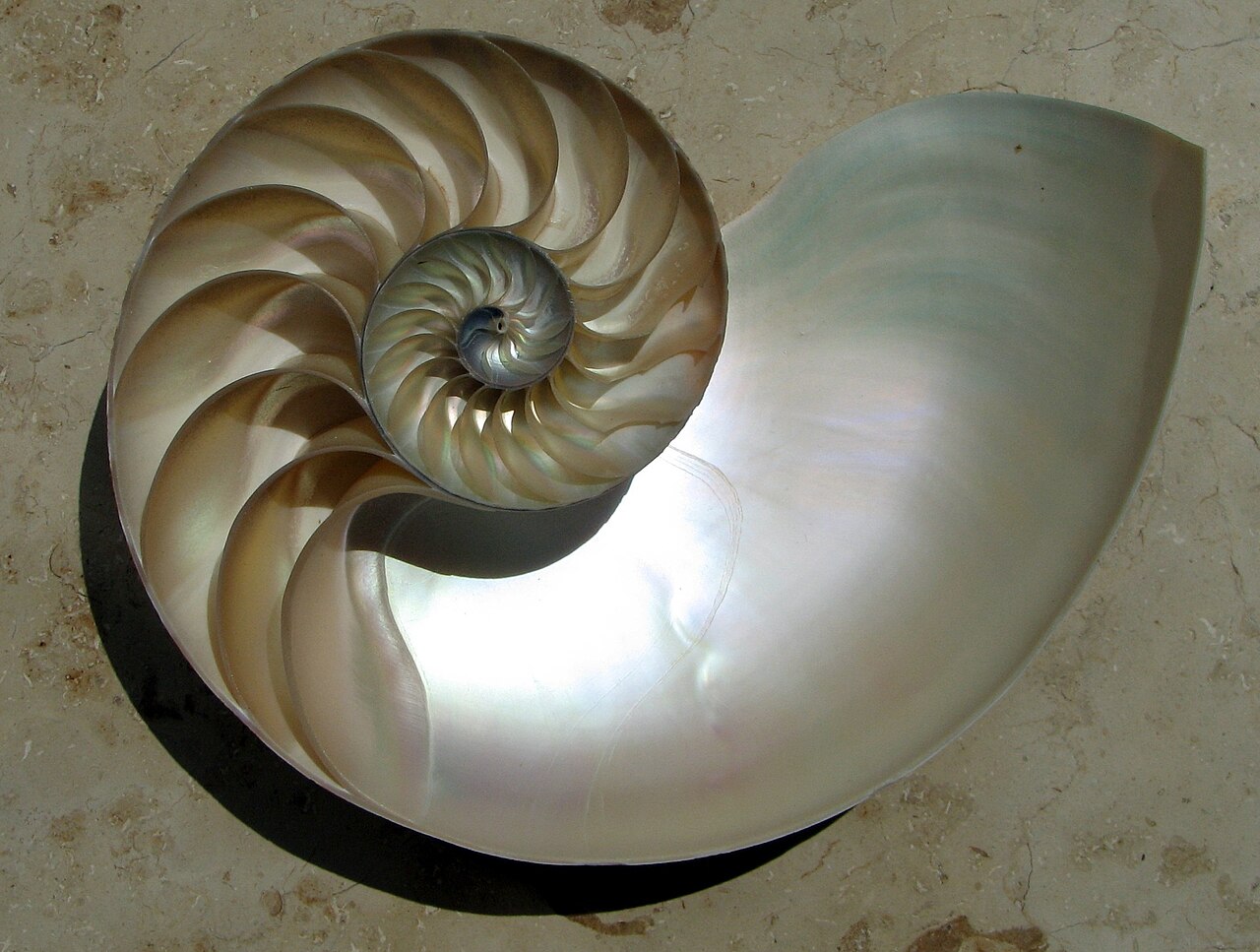
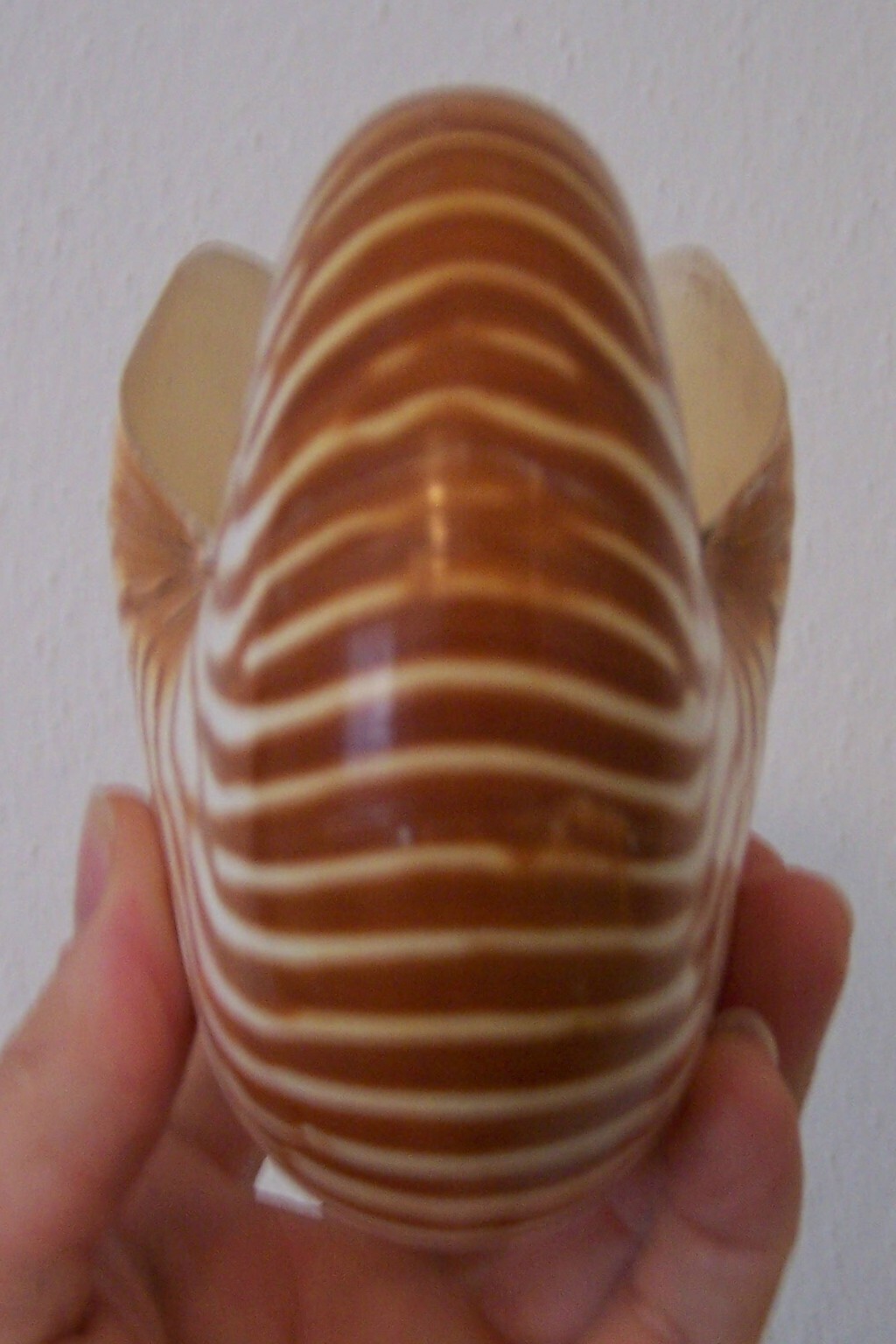
Nautiluses have a distinctive external, spirally coiled shell with internal septa dividing it into chambers. The soft body occupies the outermost chamber; as the animal grows it seals off earlier chambers and can adjust gas and fluid in them to regulate buoyancy. Externally they resemble other shelled molluscs, but their anatomy includes features typical of cephalopods: a beak-like jaw, a radula used for feeding, and numerous tentacles. The radula is broad and typically has several rows of teeth; many sources note a characteristic arrangement including nine teeth in some species (radula). Nautiluses possess relatively simple eyes and a pair of gills (a single pair used for respiration) rather than the highly derived camera-type eyes and lungs seen in other cephalopods (gills).
- Shell: planispiral, chambered, calcified
- Locomotion: jet propulsion by expelling water
- Tentacles: many, retractile, without suckers
- Habitat: typically deep slopes and reef areas in tropical waters
Species, size and distribution
Modern nautiluses are limited in number compared with their fossil relatives. Contemporary treatments commonly recognize several living species—often cited as about six in two genera—with the best-known species being Nautilus pompilius, which occurs across parts of the tropical Indo‑Pacific and has been reported from areas including Western Australia. Sizes vary by species; the largest forms may reach roughly two to three dozen centimetres in shell diameter, while smaller species are considerably less large.
Evolutionary history
Nautiloids have a deep fossil record extending back to the early history of cephalopods. Their fossils document a once-diverse array of forms that dominated many marine ecosystems in the Palaeozoic. Although modern nautiluses represent a small remnant of that diversity, their conservative morphology provides important insights into the early evolution of cephalopods and into how shell-bearing forms behaved and adapted through geologic time.
Human interactions and conservation
Shells of nautiluses have long been collected for decoration, jewelry and scientific study. That trade, combined with localized fishing and habitat pressures, has led to concern for some populations; nautiluses are subject to conservation measures and trade controls in certain regions to prevent overexploitation. Research on living nautiluses informs aquarium husbandry, developmental biology and paleobiology, because they link living cephalopod biology with an extensive fossil legacy.
For further general information consult resources on cephalopod biology and conservation; selected topics and entries are available via links to broad summaries and specialist pages: cephalopods, Nautilidae, biologist perspectives, living fossils, ammonites, Palaeozoic era, species lists, regional records, radula, gill anatomy.
Questions and answers
Q: What is a nautilus?
A: A nautilus is a type of cephalopod in the Nautilidae family that is considered a "living fossil" because it has not changed much in appearance over millions of years.
Q: How many living species of nautilus are there?
A: There are six living species of nautilus in two genera.
Q: Which species of nautilus is the largest and best known?
A: The species Nautilus pompilius, found in Western Australia, is the largest and best known, growing up to 27 cm in diameter.
Q: What is the Bellybutton nautilus?
A: The Bellybutton nautilus, or Nautilus macromphalus, is a species of nautilus that is the smallest, usually measuring only 16 cm.
Q: How many teeth does the nautilus's radula have?
A: The nautilus's radula has exactly nine teeth.
Q: How many pairs of gills does a nautilus have?
A: A nautilus has two pairs of gills.
Q: Why are nautiluses considered "living fossils"?
A: Nautiluses are considered "living fossils" because they are the only living descendants of the group that gave rise to the ammonites during the Palaeozoic era, and they have not changed much in appearance over millions of years.
Related articles
Author
AlegsaOnline.com Nautilus — the chambered cephalopod with an external shell Leandro Alegsa
URL: https://en.alegsaonline.com/art/68819