
Mantis (Mantodea): overview of praying mantids
Mantids (order Mantodea) are predatory insects known as praying mantises. This article covers their anatomy, behavior, life cycle, distribution, relationships to other insects, and interactions with people.
Overview
The mantis is any member of the insect order Mantodea. Commonly called praying mantids or praying mantises because of their folded, prayer-like forelegs, they are predatory insects in the larger grouping of insects. The order contains roughly 2,300 described species found across temperate and tropical habitats. Many species belong to the family Mantidae and are referred to simply as mantids.
Image gallery
10 Images





Anatomy and behaviour
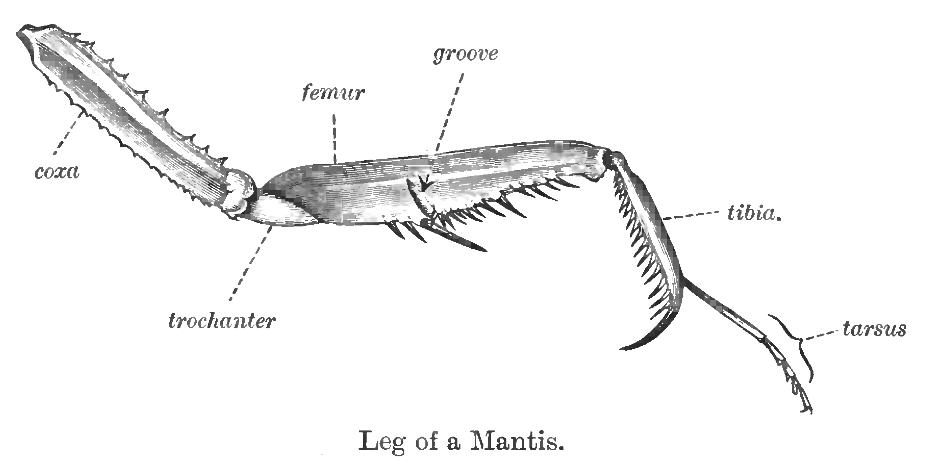
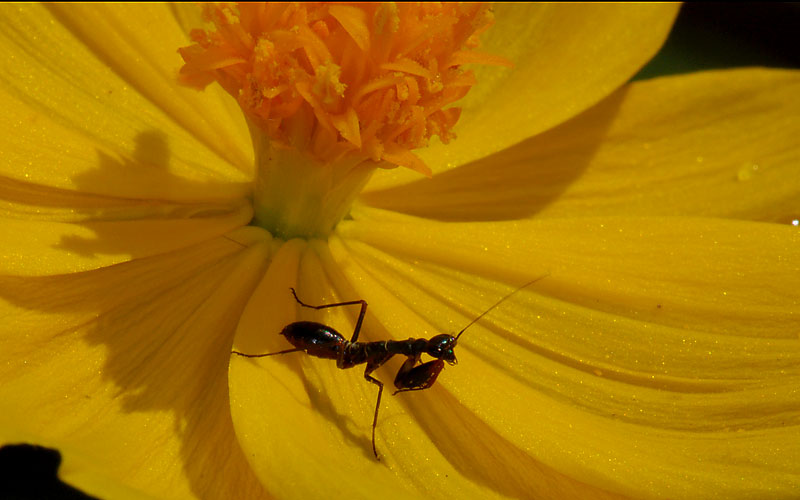
Mantids are easily recognized by a suite of features adapted to an ambush-predator lifestyle: a triangular head with large compound eyes capable of stereoscopic vision, a flexible neck that allows substantial head rotation, and highly specialised raptorial forelegs armed with spines for seizing prey. Most adults have two pairs of wings, though some species are flightless. Their coloration and body shapes often provide excellent camouflage among leaves, bark, or flowers.
Life cycle, diet and ecology
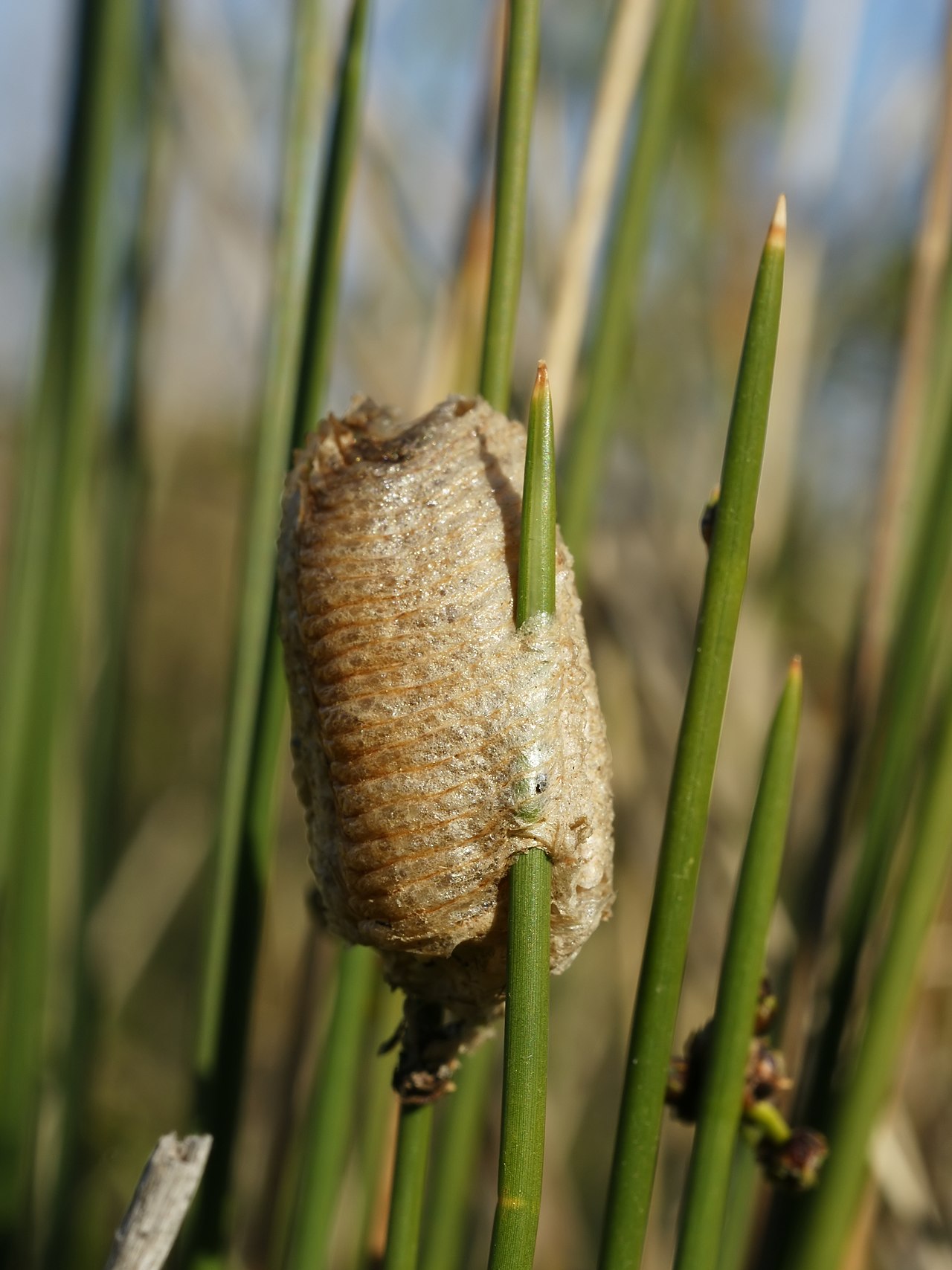
Mantids undergo incomplete metamorphosis (hemimetabolous development): eggs are deposited in foamy masses called oothecae, nymphs hatch resembling small adults and grow through successive moults. They are predominantly insectivorous—feeding on flies, moths, and other arthropods—and larger species may capture small vertebrates. Their sit-and-wait predation, quick strike with forelegs, and occasional intra-specific aggression (including sexual cannibalism in some contexts) are well documented.
Distribution, relatives and distinctions
Species of mantids occur worldwide in suitable climates. In Europe the common phrase “praying mantis” usually denotes a single species, Mantis religiosa. Mantids can be mistaken for stick insects (phasmids, stick insects) but differ markedly in head mobility and foreleg structure. Phylogenetically, mantids are most closely related to cockroaches and termites (order Blattodea), and these groups together form the superorder Dictyoptera, with termites sometimes placed within Blattodea; the social termites are referred to separately as termites.
Human interactions and notable facts
- Mantids are valued as natural pest controllers in gardens and occasionally kept as pets or display animals.
- They are subjects of scientific study for vision, predation, and locomotion because of their binocular sight and rapid targeting behaviour.
- Culturally, mantids have appeared in folklore and art as symbols of patience, stillness, or hunting skill.
Although diverse and ecologically important, many mantid species remain understudied; ongoing taxonomy and field research continue to refine their classification, distribution, and natural history.
Questions and answers
Q: What is a Mantis?
A: A Mantis is a type of insect, specifically belonging to the order Mantodea.
Q: Why are Mantids often referred to as praying mantids?
A: Mantids are often referred to as praying mantids because of their prayer-like stance.
Q: How many species of Mantis are there?
A: There are approximately 2,300 species of Mantis.
Q: In what types of habitats do Mantids occur?
A: Mantids occur in both temperate and tropical habitats.
Q: What family are most Mantids in?
A: Most Mantids are in the family Mantidae.
Q: What does "praying mantis" refer to in Europe?
A: In Europe, "praying mantis" refers only to a single species, Mantis religiosa.
Q: What are the closest relatives of mantids and what are they ranked as?
A: The closest relatives of mantids are the order Blattodea (cockroaches and termites), and these two groups together are ranked as the Superorder Dictyoptera.
Related articles
Author
AlegsaOnline.com Mantis (Mantodea): overview of praying mantids Leandro Alegsa
URL: https://en.alegsaonline.com/art/61437
Sources
- nytimes.com : "Birds Beware: The Praying Mantis Wants Your Brain"