
Manx cat: tailless or short-tailed domestic breed from the Isle of Man
The Manx is a domestic cat breed from the Isle of Man, distinguished by a naturally shortened or absent tail, rounded body, longer hind legs, strong hunting skills and specific genetic health considerations.
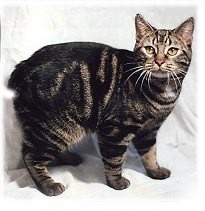
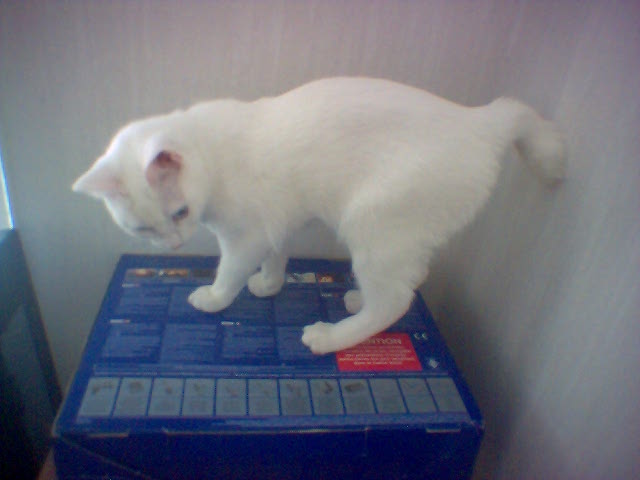
The Manx is a domestic cat breed best known for its variable tail length: some individuals are completely tailless (commonly called "rumpy"), others carry a shortened tail (often called "stumpy"), while some lines may show a longer tail. This variation results from a naturally occurring genetic difference that affects vertebral development. The breed typically has a compact, rounded body, a broad chest and rump, and hind legs that are noticeably longer than the front legs, giving a distinctive silhouette and often a springy or powerful hop when moving. Many people appreciate the Manx both for its appearance and for its reputation as a skilled mouser. Breed profile and overview.
Image gallery
10 Images


Physical characteristics
- Tail types: rumpy (no external tail), stumpy (short tail) and longer-tailed variants; exact terms and show classifications vary by registry.
- Body: sturdy, compact, rounded rump and chest, with strong hindquarters and muscular build.
- Coat and color: occurs in many colors and patterns; both shorthaired and longhaired varieties are recognized in different associations.
- Head and face: often rounded with expressive eyes and a firm muzzle.
Genetics and health
The tailless trait is associated with a dominant gene that affects spinal and tail development. Expression can vary between individuals and litters. Certain genetic combinations can increase the risk of spinal, neurological or bowel disorders; these problems are sometimes collectively referred to as "Manx syndrome." Responsible breeders use careful selection, veterinary advice and modern screening where available to reduce the incidence of severe defects. Routine veterinary care and prompt attention to any signs of constipation, incontinence or mobility problems are important for Manx cats. For general information on spinal variation see spine-related resources.
History and cultural notes
The breed developed on the Isle of Man in the Irish Sea and was recorded there several centuries ago. Its exact origins are not fully known; one common idea is that island isolation and natural selection favored the tailless trait among local cats. The Manx has long been part of the island's cultural identity and is recognized by many cat registries worldwide.
Temperament and care
Manx cats are often described as intelligent, affectionate and active. Many retain strong hunting instincts and can be lively playmates. Social and adaptable, they commonly form close bonds with owners and enjoy interactive play. Care needs mirror those of other domestic cats: balanced nutrition, mental and physical stimulation, routine veterinary checkups and grooming appropriate to coat length. Prospective owners should ask breeders or rescues about health history and any known issues.
Recognition and breeding considerations
Cat clubs and registries classify Manx tail types differently for showing and breeding. Ethical breeders emphasize health testing, avoid risky matings when advised, and provide transparent histories to buyers. Those seeking more on the breed or its island heritage can consult regional and breed-specific sources, including references about the Isle of Man and local traditions: Isle of Man references.
Related articles
Author
AlegsaOnline.com Manx cat: tailless or short-tailed domestic breed from the Isle of Man Leandro Alegsa
URL: https://en.alegsaonline.com/art/61484