
Termite
Termites are eusocial insects that decompose cellulose, form complex colonies with distinct castes, and influence ecosystems; some species can be economically destructive to wood structures and crops.
Termites are social insects traditionally placed in the group Isoptera. They live in colonies organized into castes and feed largely on cellulose found in dead wood, leaf litter and other plant debris. Although commonly called "white ants," termites are not ants and belong to a different evolutionary lineage, with distinct morphology and behavior.
Image gallery
10 Images



Characteristics and appearance
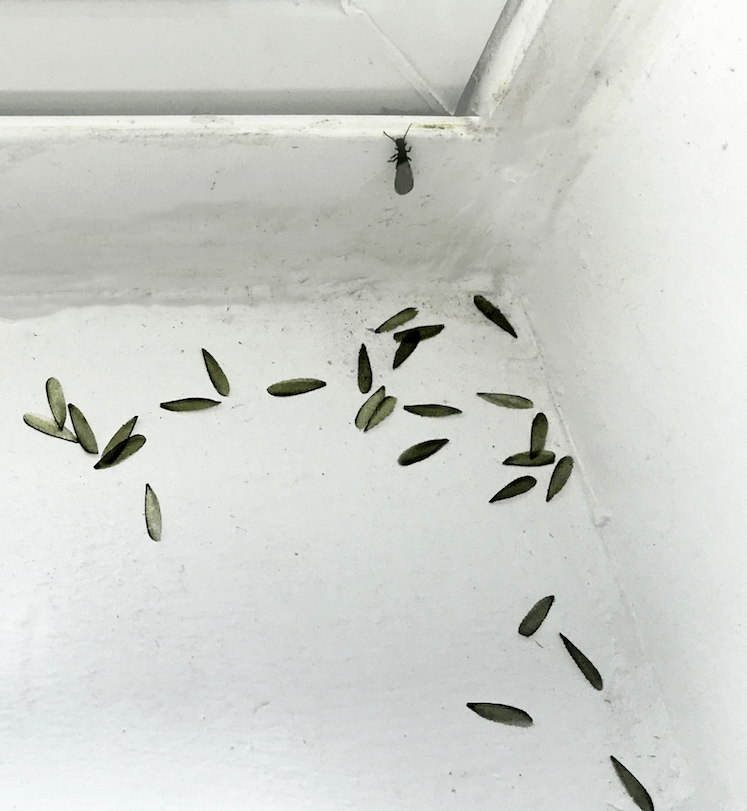
Individuals vary by species but typically have soft bodies, chewing mouthparts and, in reproductive stages, two pairs of similar wings. Workers perform most nest maintenance and feeding tasks, soldiers defend the colony with specialized heads and mandibles, and reproductives (including winged alates) enable dispersal and colony founding. Some species maintain multiple egg-laying queens while others have a single primary queen.
Social organization and life cycle
Termite societies meet the criteria of eusociality: cooperative brood care, overlapping generations and division of reproductive labor. Development proceeds through a series of nymphal instars rather than complete metamorphosis; individuals may change caste during growth in response to environmental cues and colony needs. Reproductive adults swarm seasonally, pair off, shed their wings and establish new nests.
Ecology and geographic distribution
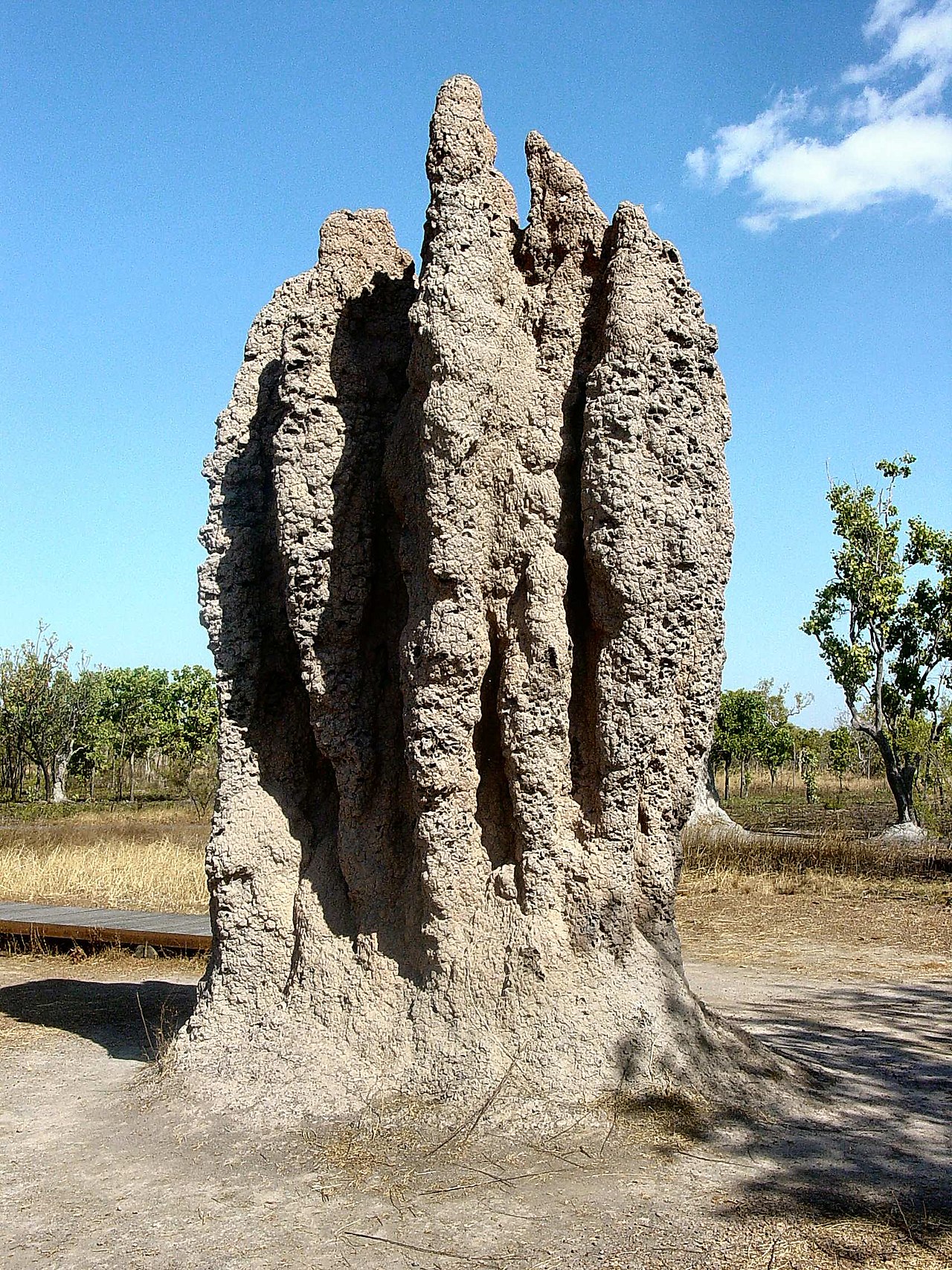
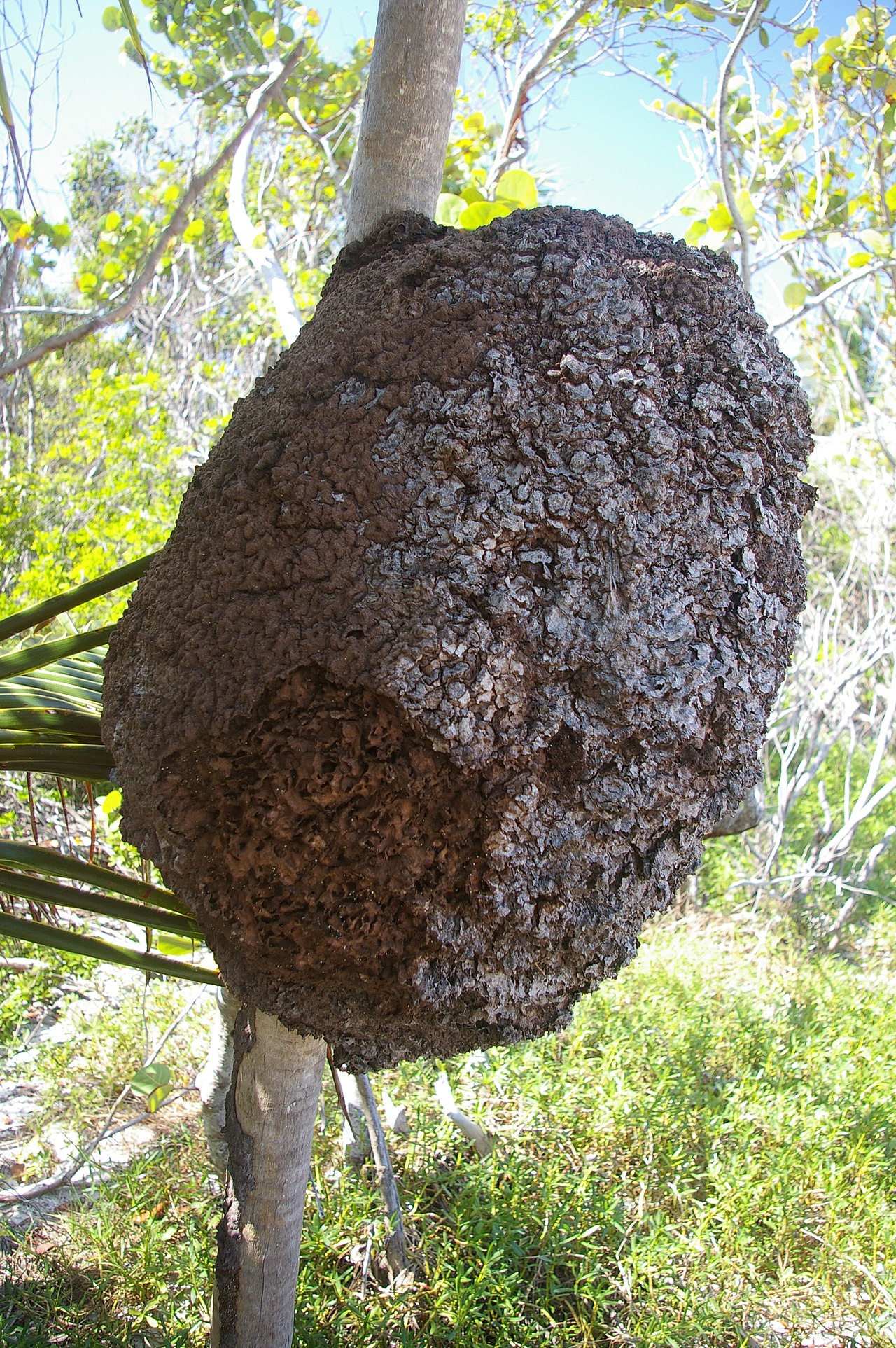
Termites are especially numerous and ecologically important in tropical and subtropical regions, where they act as major decomposers of cellulose and play a key role in nutrient cycling and soil formation. Their tunneling and feeding change soil texture and water movement. Some species build large, architecturally complex mounds that regulate temperature and airflow and can persist for decades.
Economic importance and management
While most termite species are harmless components of natural ecosystems, a minority damage human property, wooden structures, crops and plantation forests. Management approaches include preventive building practices, sanitation, physical and chemical barriers, targeted baits and integrated pest management. Accurate species identification is important because biology and effective treatments vary among termite groups.
Notable distinctions and facts
- Termites differ from ants in wing vein pattern, waist constriction and social evolution; they are often mistaken for ants because of superficial resemblance.
- Estimates put the number of species in the low thousands; many remain understudied, especially in tropical forests.
- Mound-building species influence landscape ecology and provide habitats for other organisms.
- Colony behavior demonstrates coordinated activity often discussed under swarm intelligence and collective systems.
Further reading
- Isoptera classification and overview
- Social insects: comparative perspective
- Origins of the "white ant" nickname
- Differences from Hymenoptera (ants, bees, wasps)
- Comparing termite eusociality with bees
- Wasps and social behavior
- Information on pest species
- Structural damage and inspection guidance
- Impact on plantations and forestry
- Subtropical termite communities
- Tropical-region termite diversity
- Termites and nutrient cycling
- Colony founding and development
- Alate swarming and wing shedding
- African mound-building species case studies
- Australian termite mounds and ecology
- Notable large termite mounds
- Collective behavior and swarm intelligence
Questions and answers
Q: What is the scientific name for termites?
A: The scientific name for termites is Isoptera.
Q: What order do ants belong to?
A: Ants belong to the Order Hymenoptera.
Q: How many species of termites are estimated to exist?
A: It is estimated that there are around 4,000 species of termites (about 2,600 taxonomically known).
Q: Where do most termites nest?
A: Most termites nest underground their entire lives. However, some species in Africa and Australia build large mound structures that can be more than 20 feet tall.
Q: What type of environment do they inhabit?
A: Termites mostly inhabit subtropical and tropical regions.
Q: How does a typical colony contain individuals?
A: A typical colony contains nymphs (semi-mature young), workers, soldiers, and reproductive individuals of both genders, sometimes containing several egg-laying queens.
Q: What role do they play in ecology?
A: Termites play an important role in ecology by recycling wood and other plant matter which would not be available to any single insect acting alone.
Related articles
Author
AlegsaOnline.com Termite Leandro Alegsa
URL: https://en.alegsaonline.com/art/97092