
Mammary gland: structure, function, development, and clinical notes
Glandular organs in mammals that produce milk for offspring. Covers anatomy, development, hormonal control of lactation, species variation, and common clinical issues.
Mammary glands are specialized exocrine organs found in mammals that produce and secrete milk to nourish offspring. In most species they form a pair or series along the torso; in humans the glands are concentrated in the breasts. They are an adaptation of the female body (and in some species present in males) that supports early survival and immune protection of the young.
Image gallery
10 Images


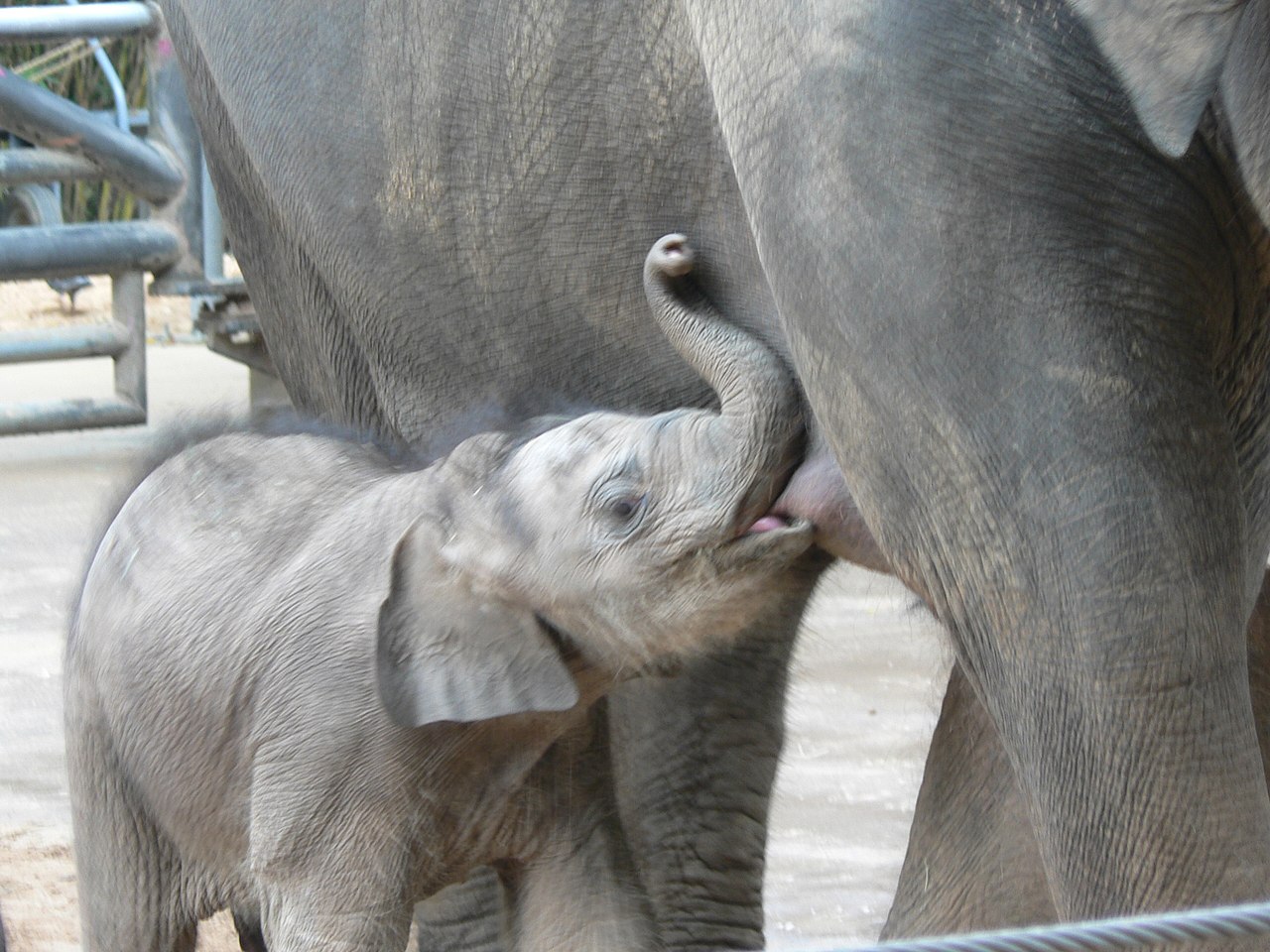


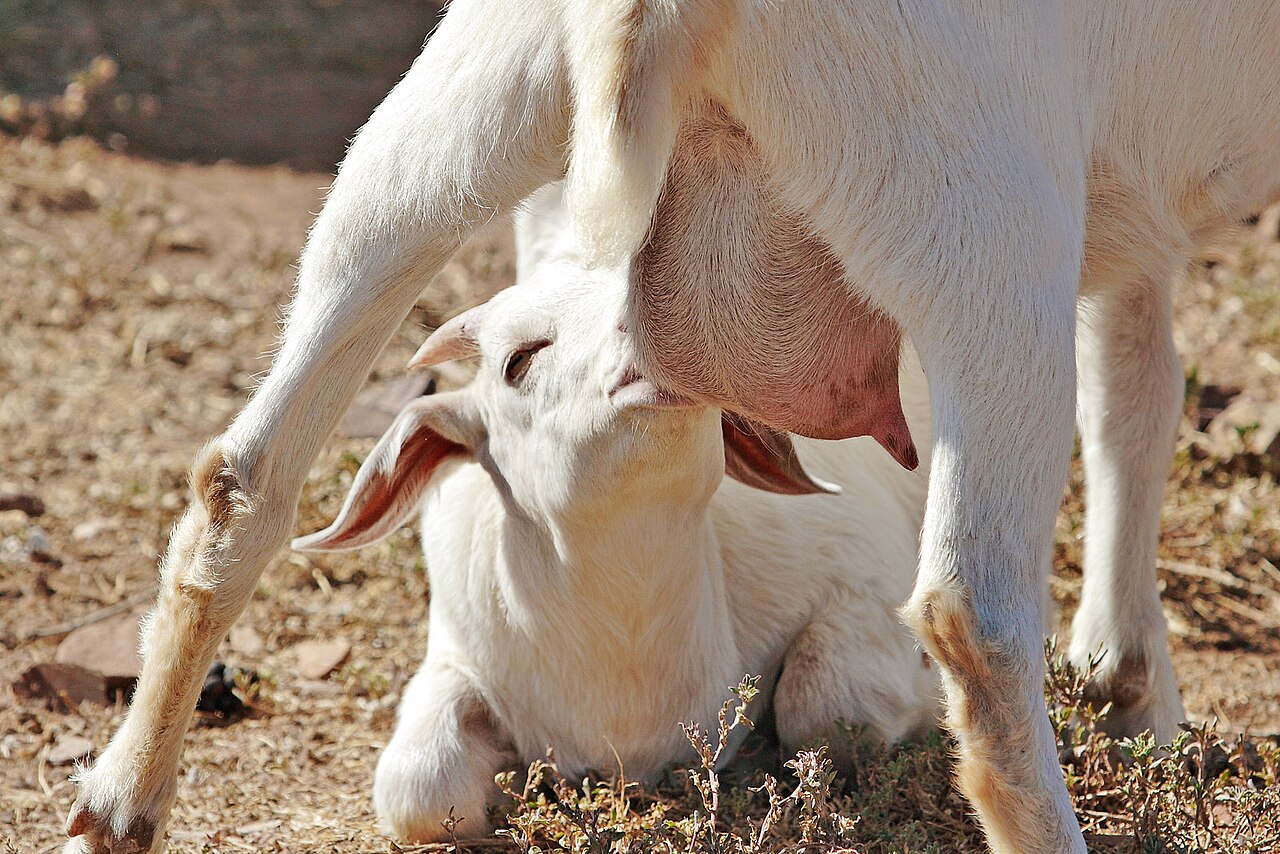
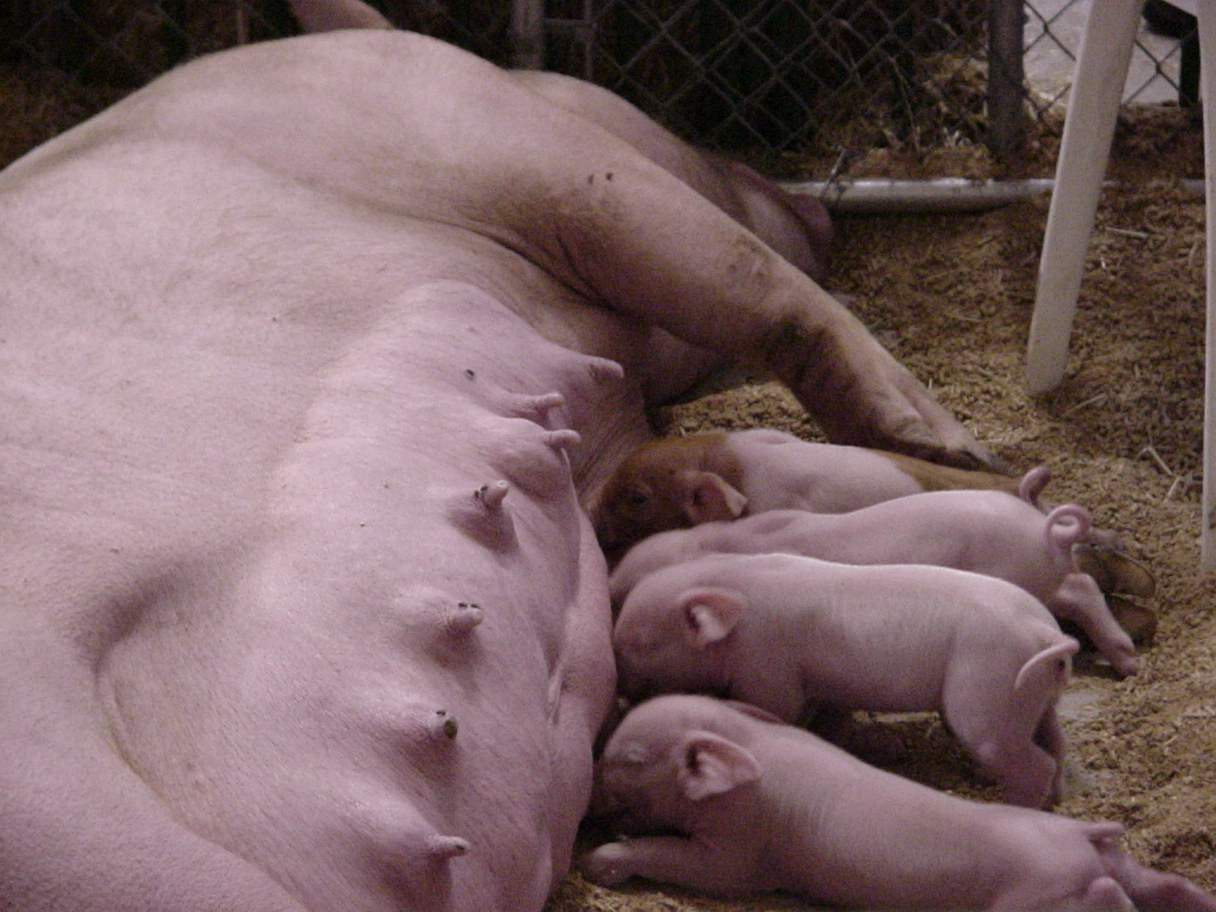
Structure and parts
- Alveoli and lobules: small milk-producing sacs lined by secretory cells.
- Duct system: channels that convey milk from lobules toward the nipple or teat.
- Nipple/areola: external outlet and pigmented region that aids infant attachment.
- Stroma and fat: connective tissue and adipose that shape and support the gland.
The fluid produced—commonly called milk—contains nutrients, antibodies and growth factors tailored for the baby or neonate. Mammary anatomy varies widely among mammals, including the number of gland pairs and their location along the body.
Development begins in the embryo with rudimentary mammary lines and continues through puberty under hormonal influence. During pregnancy high levels of estrogens, progesterone and prolactin drive alveolar growth; after birth prolactin supports milk synthesis while oxytocin triggers milk ejection.
Functions and importance
Beyond nutrition, milk delivers immune molecules, enzymes and microbes that shape neonatal immunity and digestion. Lactation also has social and evolutionary roles, affecting maternal behavior and offspring survival. The milk-ejection reflex is a coordinated neuroendocrine response to suckling or other stimuli.
Clinical and comparative notes
- Human health issues include lactation failure, mastitis and breast cancer screening and treatment.
- In agriculture and wildlife management, mammary health directly affects offspring growth and milk production.
- Comparative study of mammary glands informs evolutionary biology, veterinary care and neonatal nutrition research.
Mammary glands exemplify how anatomy, hormones and behavior interact to support early life. For further reading see general anatomy resources and species-specific reviews: overview, anatomical details, practical lactation guides milk composition, neonatal feeding information infant care, comparative mammalogy species differences, human clinical sources clinical context and breast health references breast anatomy.
Related articles
Author
AlegsaOnline.com Mammary gland: structure, function, development, and clinical notes Leandro Alegsa
URL: https://en.alegsaonline.com/art/61132