
Mecoptera: scorpionflies, hangingflies, and related long-rostrum insects
Mecoptera is an order of about 550 species of insects (nine families) including scorpionflies and hangingflies. This article covers their traits, life cycle, behavior, evolution, and ecological role.
Overview
Mecoptera is an order of holometabolous insects characterized by elongated faces and four membranous wings. The group contains roughly 550 described species placed in nine families and occurs worldwide, with many species concentrated in temperate and montane habitats. As an insect order, Mecoptera is often treated as a distinct lineage; for a general introduction to insect classification see insect systematics resources.
Image gallery
10 Images




Anatomy and key characteristics
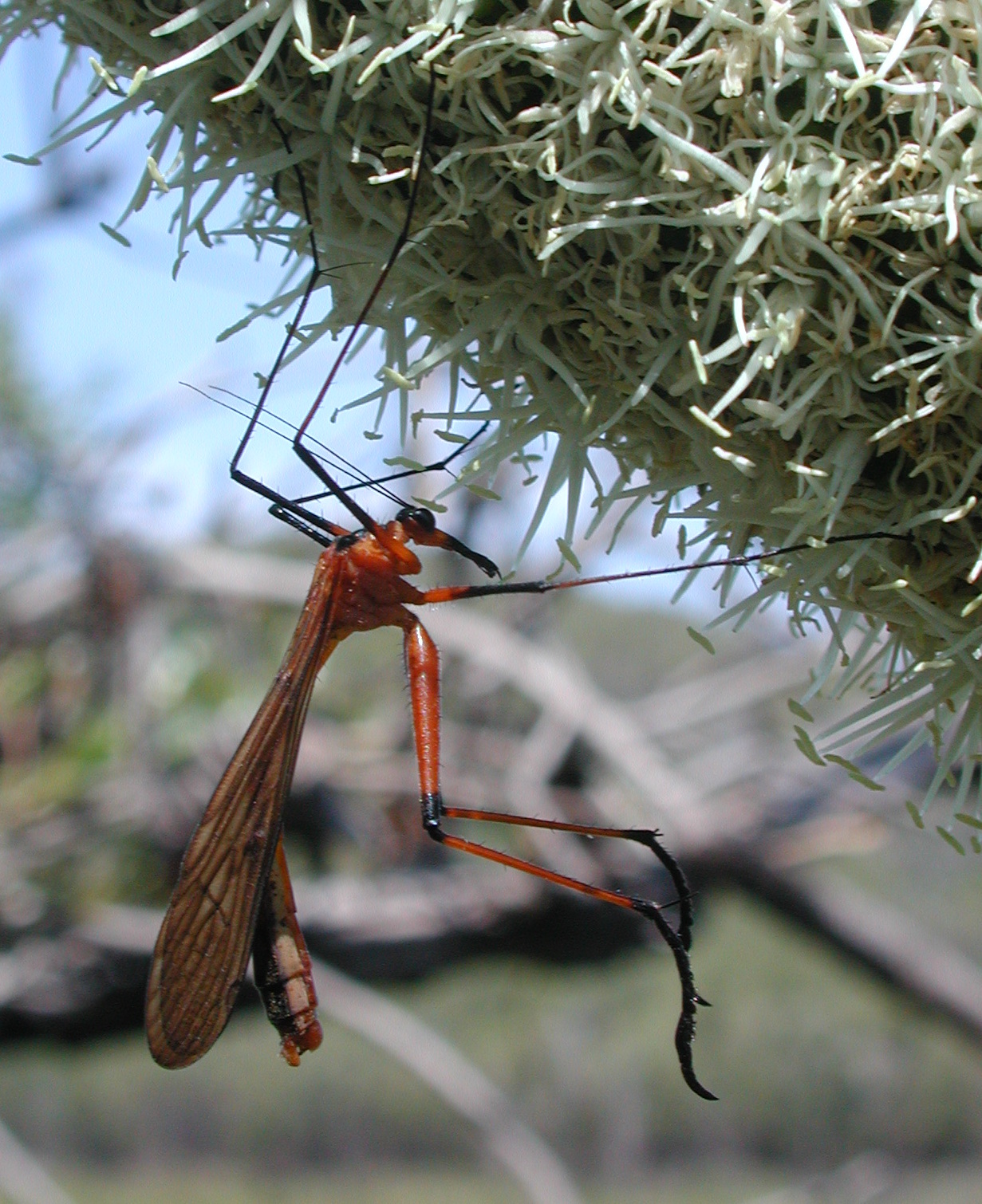
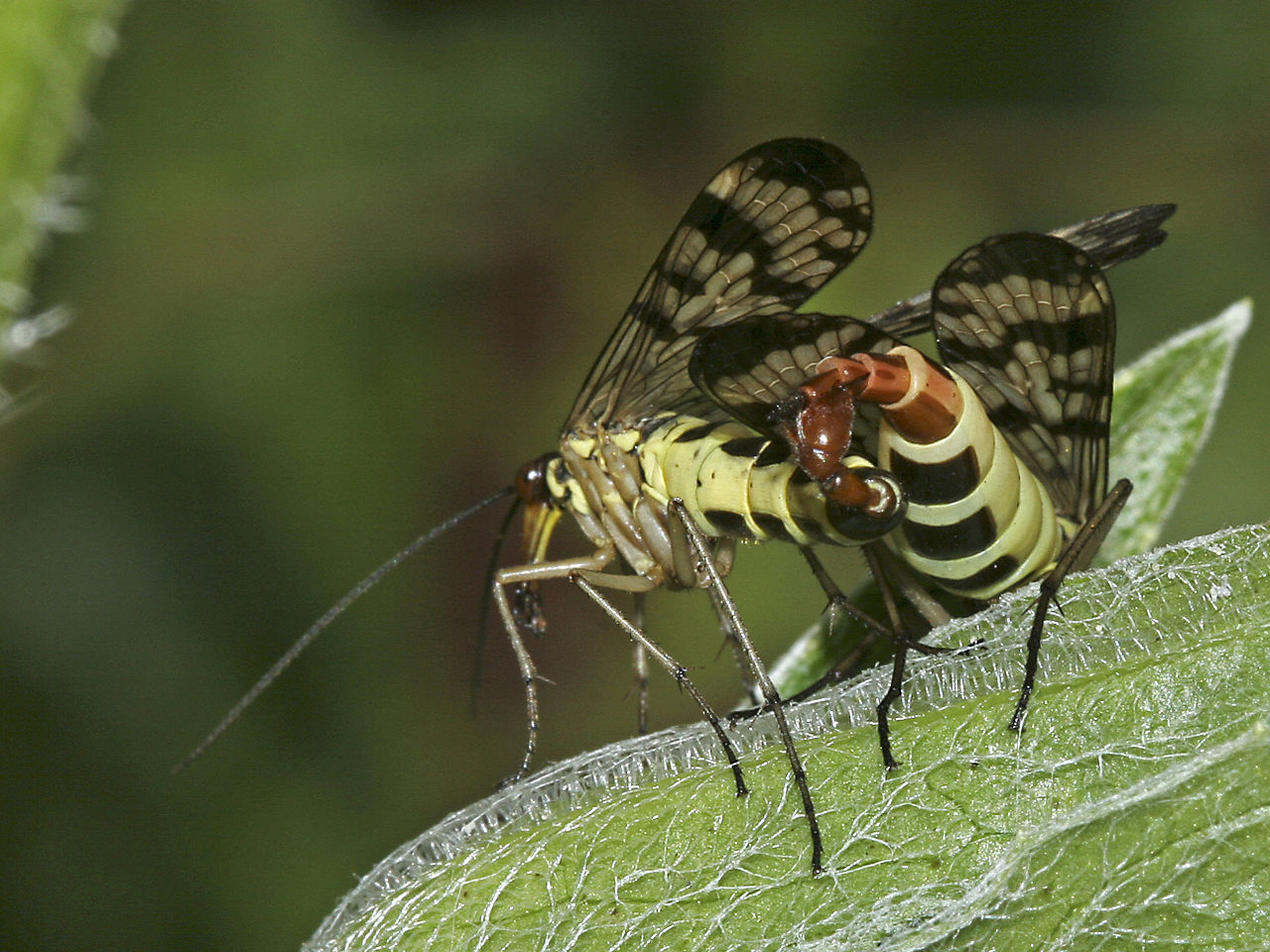
Mecopterans are recognizable by a combination of features: an extended rostrum or beak-like head, slender legs and body, two pairs of similar wings, and mouthparts adapted for chewing or lapping. Adults range from delicate, elongated forms to more robust species. Larvae are caterpillar-like or grub-like and typically live in soil or leaf litter. The order is fully metamorphic (egg, larva, pupa, adult), and many species have a single generation per year.
- Wings: two pairs, often held rooflike over the body.
- Rostrum: extended head region bearing the mouthparts.
- Reproduction: some males have conspicuous genital structures.
- Larvae: terrestrial, detritivorous or predatory in many species.
Behavior and ecology
Members of Mecoptera exploit a variety of food sources. Many adults scavenge dead insects, feed on decaying plant matter, or take nectar and fruit juices. A few are active predators. Reproductive behavior can be elaborate: in several families males present nuptial gifts such as captured prey or salivary secretions to attract females. The family Bittacidae, commonly called hangingflies, is noted for males dangling prey items to court females, while the family Panorpidae includes the so-called scorpionflies—named because males bear an enlarged genital bulb that curves upward and superficially resembles a scorpion's tail (scorpionflies).
Distribution, habitats and life cycle
Mecopterans inhabit leaf litter, forest understory, stream margins and, in the case of boreids (snow scorpionflies), even snowy environments. Eggs are usually laid in soil or moss; larvae feed on organic matter or small invertebrates and pupate in the ground. Seasonal activity peaks in spring and summer in temperate zones.
Evolution, classification and notable facts
The fossil record of Mecoptera extends back to the Permian and Mesozoic, showing a longer history than many modern insect groups. Their exact relationships to other orders have been debated; some molecular and morphological analyses suggest close ties with fleas (Siphonaptera) and with early lineages related to flies and scorpionflies, but consensus continues to evolve. Mecopterans have been important in studies of insect evolution because of their mix of primitive and specialized traits.
Human relevance
Mecoptera are not pests of economic importance but play modest ecological roles as decomposers, predators of small arthropods and occasional pollinators. Their distinctive appearance and behaviors make them of interest to naturalists and researchers studying mating systems, life history, and insect phylogeny.
Related articles
Author
AlegsaOnline.com Mecoptera: scorpionflies, hangingflies, and related long-rostrum insects Leandro Alegsa
URL: https://en.alegsaonline.com/art/63366