
Mantle (mollusc anatomy)
The mantle is the dorsal body wall of molluscs that encloses the visceral organs, forms the mantle cavity, and in many species secretes the shell and related structures.
The mantle is a prominent anatomical feature of molluscs: a dorsal body wall that covers and protects the visceral mass and creates the mantle cavity. It takes its name from a cloak or cape because it often drapes over the body. In simplest terms the mantle separates the internal organs from the external environment and can form specialised structures used in respiration, feeding, locomotion and defence.
Image gallery
10 Images


Structure and parts
The mantle is made of an epidermal and connective tissue layer and its inner surface faces the body organs. The outer margin, often called the mantle edge or mantle skirt, can be thin or thickened and may be folded into siphons, flaps or tents. The space between the mantle and the body is the mantle cavity, which commonly contains gills (ctenidia), excretory openings, and the openings of the reproductive system.
Functions and roles
Across molluscs the mantle performs several core functions, often simultaneously:
- Shell formation: In many species the mantle epithelium secretes layers of organic matrix and mineral—principally calcium carbonate combined with proteins such as conchiolin—which build the shell and inner nacre.
- Respiration and excretion: The mantle cavity houses gills or a lung-like surface and channels water flow to remove wastes.
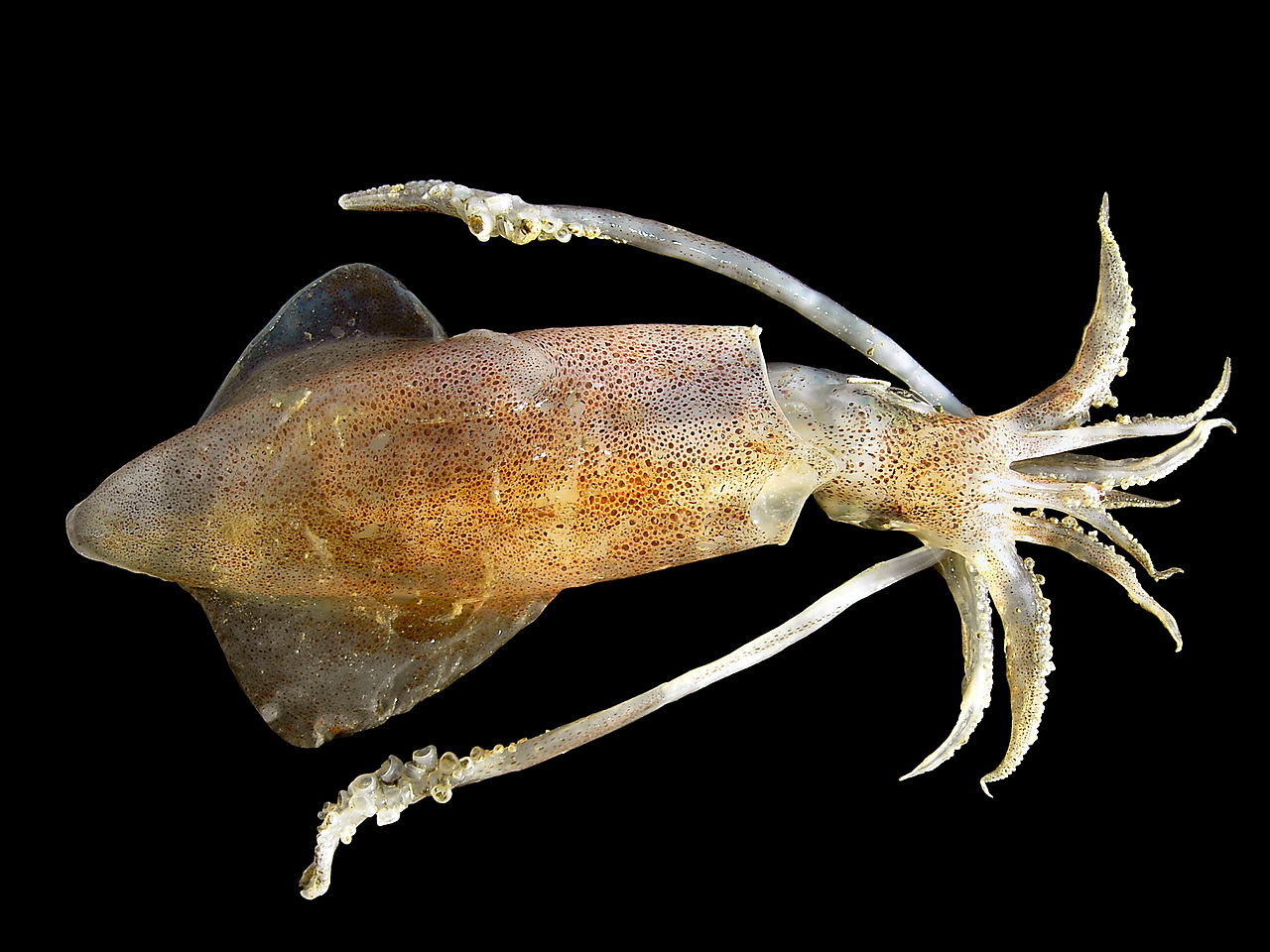
- Locomotion and feeding: In cephalopods the mantle musculature generates jet propulsion; in bivalves the mantle influences siphon formation and water currents.
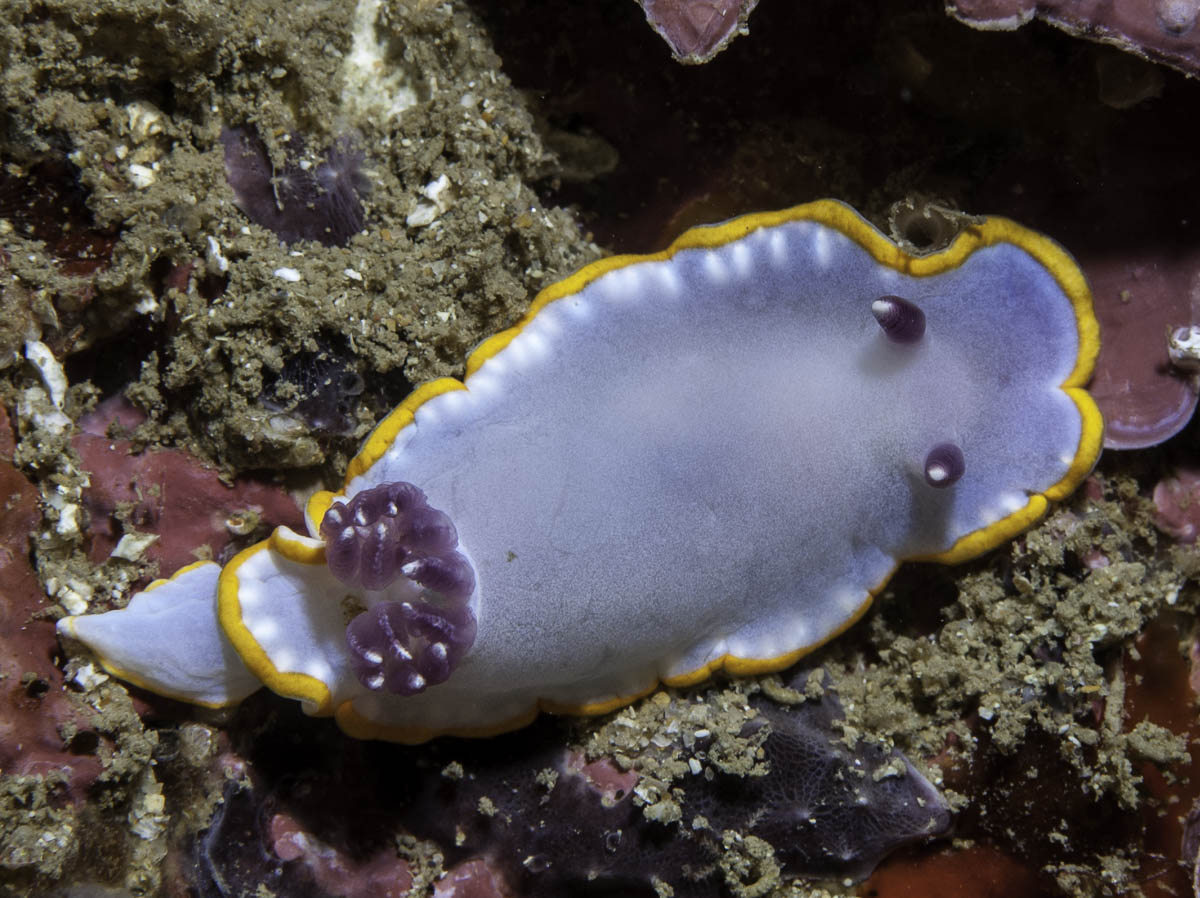
- Defence and display: Mantle tissues may bear pigments, sensory cells, or secrete deterrent chemicals; in some nudibranchs the mantle is exposed and brightly coloured.
The mantle may also be the source of pearls: when foreign material is lodged between mantle and shell the epithelium can deposit successive layers of nacre around the irritant.
Diversity and evolution
Different mollusc classes show variations of the mantle. Bivalves use mantle lobes to form inhalant and exhalant siphons, while gastropods often have a mantle cavity that has been modified by torsion. Chitons have a mantle girdle surrounding multiple shell plates. Cephalopods have largely internalised or reduced shells—cuttlefish have a bone-like cuttlebone, many squids retain a chitinous gladius, and octopuses have no external shell—yet the mantle remains central to their movement and respiration, and may form a funnel or siphon for jetting (siphon).
Although many textbooks emphasise shell secretion as the mantle's most visible role, its contribution to physiology, behaviour and ecological adaptation is broad. For additional anatomical context see mollusc anatomy resources and comparative descriptions across classes.
Questions and answers
Q: What is the mantle in molluscs?
A: The mantle is the dorsal body wall in molluscs that covers the organs of digestion, reproduction, and movement.
Q: Does the mantle secrete calcium carbonate and conchiolin in all species of molluscs?
A: No, not all species of molluscs have a mantle that secretes calcium carbonate and conchiolin.
Q: What is the meaning of the word mantle?
A: The word mantle means cloak or cape.
Q: What are the edges of the mantle in molluscs?
A: The edges of the mantle in molluscs may extend far beyond the main part of the body, forming flaps and double-layered structures.
Q: What are the uses of the double-layered structures formed by the mantle?
A: The double-layered structures formed by the mantle are adapted for many different uses, including the siphon.
Q: What does the mantle of molluscs do?
A: The mantle of molluscs covers the organs of digestion, reproduction, and movement and can secrete calcium carbonate and conchiolin to create a shell in some species.
Q: What does the mantle of molluscs look like?
A: The mantle of molluscs often resembles a cloak or cape, extending past the main part of the body and forming flaps and double-layered structures.
Tags
Related articles
Author
AlegsaOnline.com Mantle (mollusc anatomy) Leandro Alegsa
URL: https://en.alegsaonline.com/art/61438