
Baby: definition, development, care, and cultural perspectives
Comprehensive overview of babies: terminology, physical and neurological development, common health and safety guidance, feeding and sleep, prematurity and stillbirth, cultural practices, and caregiver support.
A baby is a human in the earliest stage of life, commonly taken to mean the period from birth until roughly one to two years of age. The term covers overlapping developmental phases used in medicine, parenting and everyday speech. Newborns arrive with physiology adapted for the transition from the womb; they require frequent feeding and sleep, temperature regulation and close caregiving while they grow rapidly. Discussion of babies often links to broader topics such as prenatal care, childbirth and family support.
Image gallery
10 Images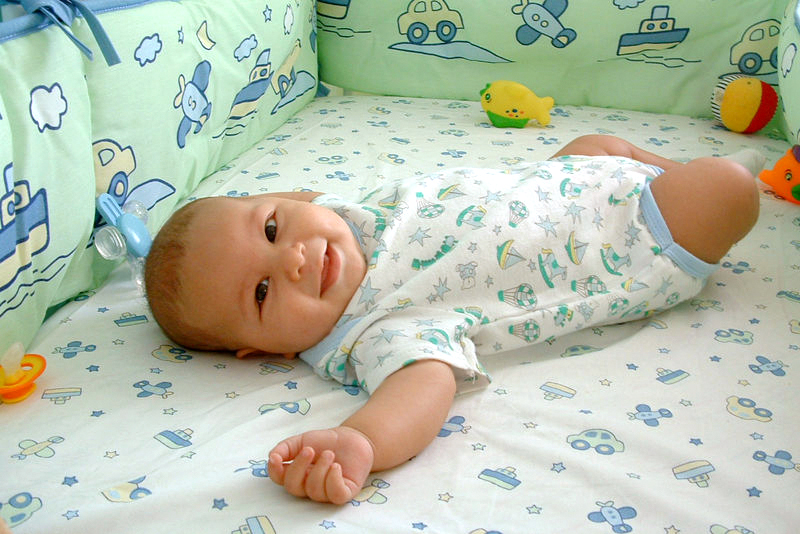




Terminology and stages
Names for early childhood vary by context. The word baby is general; newborn commonly describes the first weeks to three months of life. Medical professionals use gestational categories based on gestational age to classify infants as preterm, term or post‑term. The term infant derives from Latin and originally meant "unable to speak"; English usage varies and some reserve infant for the first year. After independent walking begins, children are typically called toddlers, a period of rapid motor and social change.
Prenatal factors and birth
Health before and during pregnancy influences newborn outcomes. Factors such as maternal nutrition, medical care and timing of birth are important. During birth the infant passes through the birth canal and undergoes rapid physiological changes that enable breathing and feeding. Labour and delivery are commonly discussed together; medical descriptions refer to stages of labour and methods of assistance that may be used if complications arise.
Physical characteristics and early development
Newborn skulls include flexible areas called fontanelles or "soft spots" in the skull that allow the head to mould during birth and accommodate rapid brain growth after birth. The timing of fusion of these bones is regulated by developmental signals and proteins that influence bone formation. Infant bone structure differs from adult bone in ways that support growth and flexibility.
At birth a baby may have a range of hair patterns and skin appearances; some infants are born with fine hair that is shed or changes colour in the first months. Early motor abilities include reflexes such as sucking and grasping; later milestones include head control, rolling, sitting, crawling and walking. Sensory and cognitive development progresses quickly in the first year as infants learn from touch, sight, hearing and interactions with caregivers.
Feeding, sleep and safety
Feeding options include breastfeeding, formula feeding or a combination. Responsive feeding supports nutrition and bonding; caregivers are advised to follow guidance from health professionals about feeding cues and safe preparation of feeds. Safe sleep practices — placing babies on their backs to sleep, providing a firm sleep surface without loose bedding, and room‑sharing without bed‑sharing — reduce risk of sleep-related harm.
- Routine care tasks include feeding, diapering, bathing and comforting.
- Hygiene, vaccination and regular health checks are central to preventive care.
- Caregivers should seek prompt medical advice for poor feeding, breathing difficulties, persistent fever or unusual lethargy.
Prematurity, complications and loss
Infants born before full term may need extra medical support for breathing, temperature regulation and feeding. Medical teams assess and manage complications, and many preterm infants thrive with appropriate care. In some pregnancies a baby may be stillborn or a pregnancy may end in miscarriage; these outcomes have medical and emotional consequences for families and are addressed by healthcare and bereavement support services.
Social, emotional and cognitive development
Babies develop attachment bonds with primary caregivers through consistent, sensitive responses to needs. Social smiling, eye contact and shared attention are early steps in emotional and social development. Language learning begins from birth, with infants progressively responding to speech, babbling and eventually producing first words. Play and safe exploration support learning about objects, cause and effect, and social routines.
Cultural practices, rites and naming
Many cultures mark a baby’s arrival with rituals, naming ceremonies and religious rites that vary widely. Examples include Baptism in some Christian traditions and numerous other ceremonies in other faiths and communities. Cultural practices influence feeding norms, sleeping arrangements and familial roles, and may shape how communities support new parents.
Caregiver support and public health
Supporting caregivers — through parental leave, accessible healthcare, education on infant care, and community resources — improves outcomes for babies and families. Public health initiatives such as vaccination programmes, neonatal screening and safe‑sleep campaigns aim to reduce preventable harm and support healthy development during the critical early years.
For historical and linguistic context, the English term infant reflects Latin roots and illustrates how language and medical classification have evolved. When reading or seeking advice about babies, consider the setting (medical, cultural or familial) and consult reliable health professionals for questions about individual care and development.
Related articles
Author
AlegsaOnline.com Baby: definition, development, care, and cultural perspectives Leandro Alegsa
URL: https://en.alegsaonline.com/art/8059
Sources
- etymonline.com : "Online Etymology Dictionary"
- doi.org : 10.1038/nature01545
- pubmed.ncbi.nlm.nih.gov : 12687003
- britannica.com : "Baptism | Christianity"