
Magnetosphere (planetary magnetic environment)
Region around a planet or star where magnetic fields steer charged particles, shaping space weather, auroras, and boundaries like the magnetopause and magnetotail.
Overview
A magnetosphere is the region of space surrounding an astronomical body where the motion of charged particles is dominated by that body's magnetic field rather than by the ambient plasma flow. Most commonly discussed for a planet, a magnetosphere acts as a protective cavity that alters the behavior of ions and electrons arriving from space, notably the flow known as the solar wind. The Sun itself has an extended magnetosphere called the heliosphere, which shields the solar system from the broader interstellar medium.
Image gallery
8 Images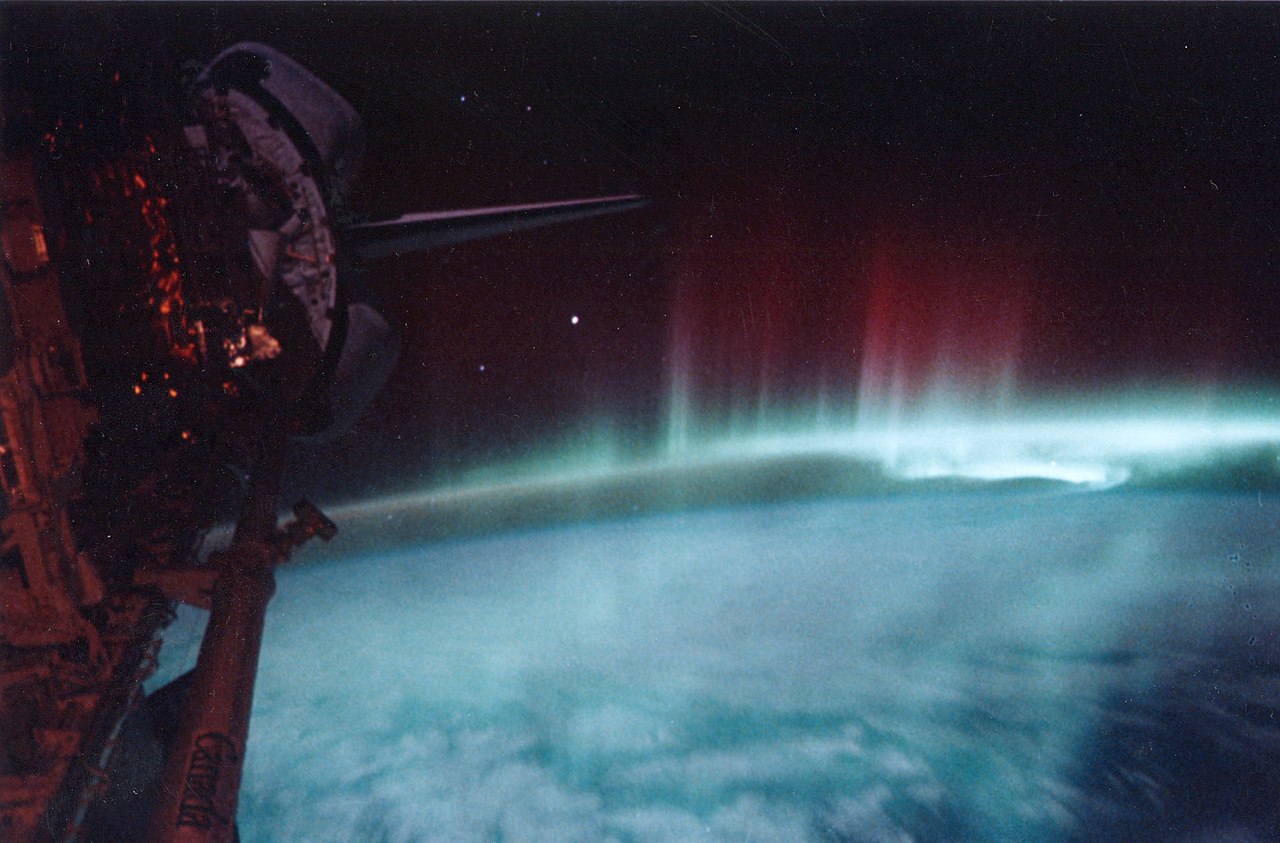




Structure and main regions
Although invisible, a magnetosphere has definable parts. The bow shock is where incoming plasma slows abruptly; the magnetopause marks the outer boundary between the magnetosphere and the surrounding plasma flow. Inside, trapped particles form radiation belts and energetic populations; field lines stretch away from the dayside to form a long magnetotail on the nightside. Narrow regions called cusps allow direct access to the atmosphere where particles can precipitate.
How it works
Charged particles spiral along magnetic field lines and are reflected, trapped, or accelerated depending on field geometry and local electric fields. Interactions between the solar wind and a magnetosphere drive currents and waves that redistribute energy. When energized particles enter an atmosphere, they can produce visible light displays known as aurorae—the familiar Aurora Borealis and related southern lights.
Origins and variability
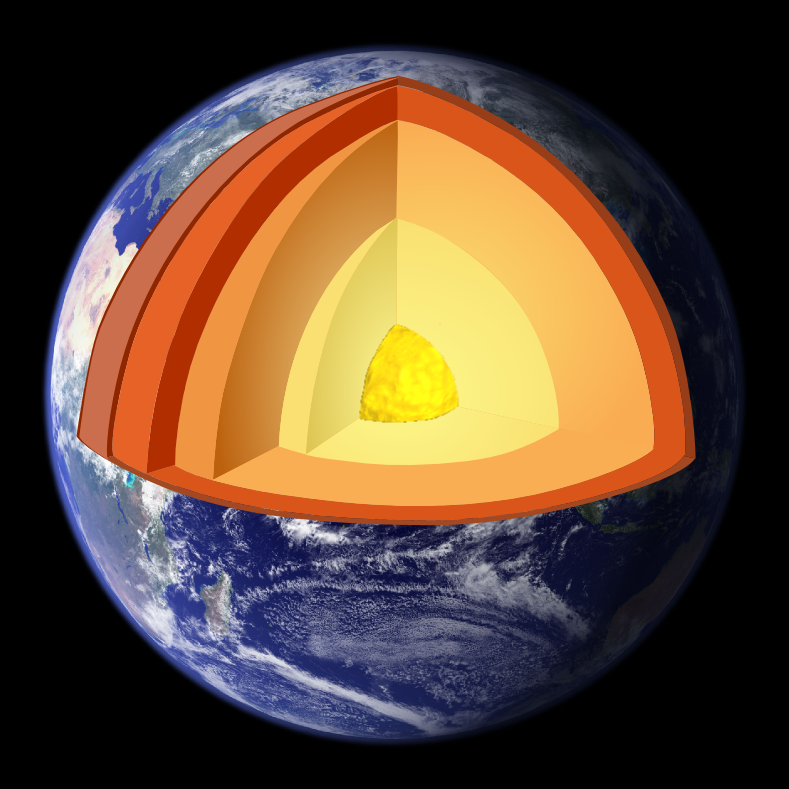
Intrinsic magnetospheres arise from internal dynamos in electrically conducting interiors; Earth has a strong intrinsic field. Some bodies lack a global field and instead develop induced magnetospheres through interactions with the solar wind or by local crustal magnetization. Magnetospheres are dynamic: their size and shape change with solar activity and the pressure of the surrounding plasma.
Importance and observation
Magnetospheres influence atmospheric retention, surface radiation levels, and space weather that affects satellites and communications. Spacecraft measurements, ground-based magnetometers, and auroral observations provide complementary views of their behavior. Comparative studies across planets and the heliosphere improve understanding of magnetic shielding and plasma processes in space (charged particles, magnetic field).
Notable distinctions
- The Sun's heliosphere differs in scale and plasma properties from planetary magnetospheres (heliosphere referenced again).
- Boundary regions such as the magnetopause are sites of reconnection and energy transfer that can trigger geomagnetic storms.
- Some small bodies and moons show only localized or transient magnetic effects rather than a global shield.
Related articles
Author
AlegsaOnline.com Magnetosphere (planetary magnetic environment) Leandro Alegsa
URL: https://en.alegsaonline.com/art/60640
Sources
- science.nasa.gov : "Magnetospheres"
- books.google.com : An Introduction to the Ionosphere and Magnetosphere