
Mare Tranquillitatis — the Sea of Tranquility
Mare Tranquillitatis is a dark, basaltic plain on the Moon's near side, famed as the Apollo 11 landing site. It formed from ancient lava flows and is a prominent lunar mare studied for clues to the Moon's volcanic history.
Overview
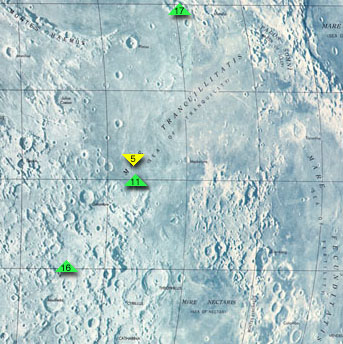
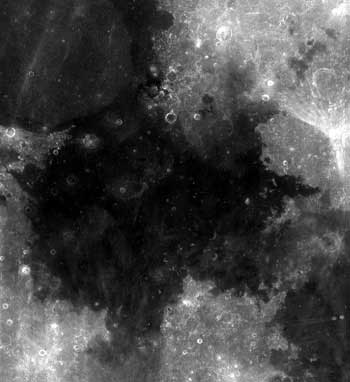
Mare Tranquillitatis, Latin for the Sea of Tranquility, is one of the best-known lunar maria. Seen from Earth as a large, dark patch on the Moon's near side, it is not a sea but a broad basaltic plain created by ancient volcanic flows. Its contrasting tone and smooth surface distinguish it from the brighter, heavily cratered highlands that surround it.
Image gallery
10 Images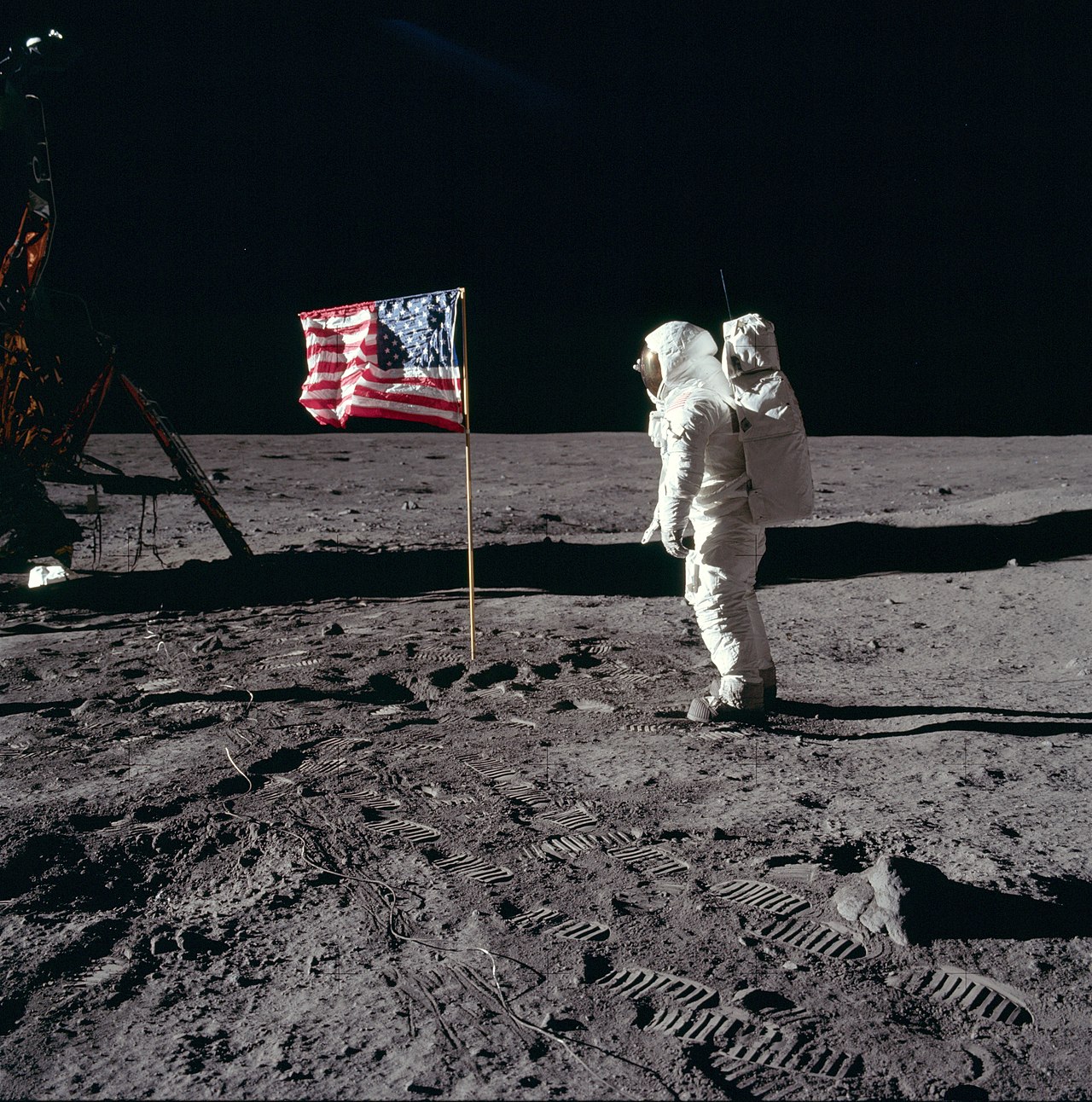





Formation and composition
The surface of Mare Tranquillitatis is dominated by basalt, a dense volcanic rock that filled impact basins and lowlands during the Moon's early geological activity. These lava flows occurred in the deep past, roughly on the order of a few billion years ago, and produced the mare's lower albedo and relatively smooth appearance. Scientists study its basalts to learn about the Moon's mantle composition and volcanic history.
Physical features
Although comparatively smooth, the mare contains a variety of geological structures. Typical features include:
- Small impact craters and secondary crater chains punched into the mare surface.
- Wrinkle ridges and low domes formed by cooling and contraction of lava.
- Rilles or channel-like depressions that record volcanic or tectonic activity.
Human exploration and cultural significance
Mare Tranquillitatis achieved global fame as the landing area for Apollo 11. On July 20, 1969, astronauts descended to a site within this mare and the surface location was called Tranquility Base. The samples and photographs returned from that mission provided direct evidence of mare basalt and revolutionized understanding of lunar geology. The mare remains a focal point for both scientific research and cultural references to the Moon.
Scientific importance and study
Because mare basalts preserve information about the timing and chemistry of lunar volcanism, Mare Tranquillitatis is important for reconstructing the Moon's thermal and magmatic evolution. Remote sensing, returned samples, and comparative studies with other maria help researchers piece together differences in composition and age across the lunar near side. For context and comparisons see links to other named maria and lunar nomenclature.
Names and distinctions
The term mare (plural maria) comes from early telescopic observers who imagined dark patches on the Moon were seas; the practice of giving Latin names dates to 17th-century lunar cartographers such as those who established the familiar lunar nomenclature. Mare Tranquillitatis is one of the several dozen named maria and mare-like plains; consult lists of lunar seas for how it compares with neighboring basins and smaller mare patches via related references and historical naming notes at lunar nomenclature sources.
Related articles
Author
AlegsaOnline.com Mare Tranquillitatis — the Sea of Tranquility Leandro Alegsa
URL: https://en.alegsaonline.com/art/61702