
Judah Maccabee: Leader of the Maccabean Revolt
Jewish priest and military leader who led the Maccabean Revolt against Seleucid Hellenizing policies, liberated and rededicated the Second Temple, and whose struggle led to a brief independent Hasmonean state.
Overview
Judah Maccabee (Hebrew: Yehuda HaMakabi) was a Jewish priest and guerrilla commander who became the most prominent leader of the Maccabean Revolt. He led a popular uprising against the authorities of the Seleucid Empire and against policies that sought to impose Greek customs on Jewish religious life. His name, often translated as "Judah the Hammer," reflects a reputation for tenacity in battle and for defending traditional Jewish worship.
Image gallery
9 Images

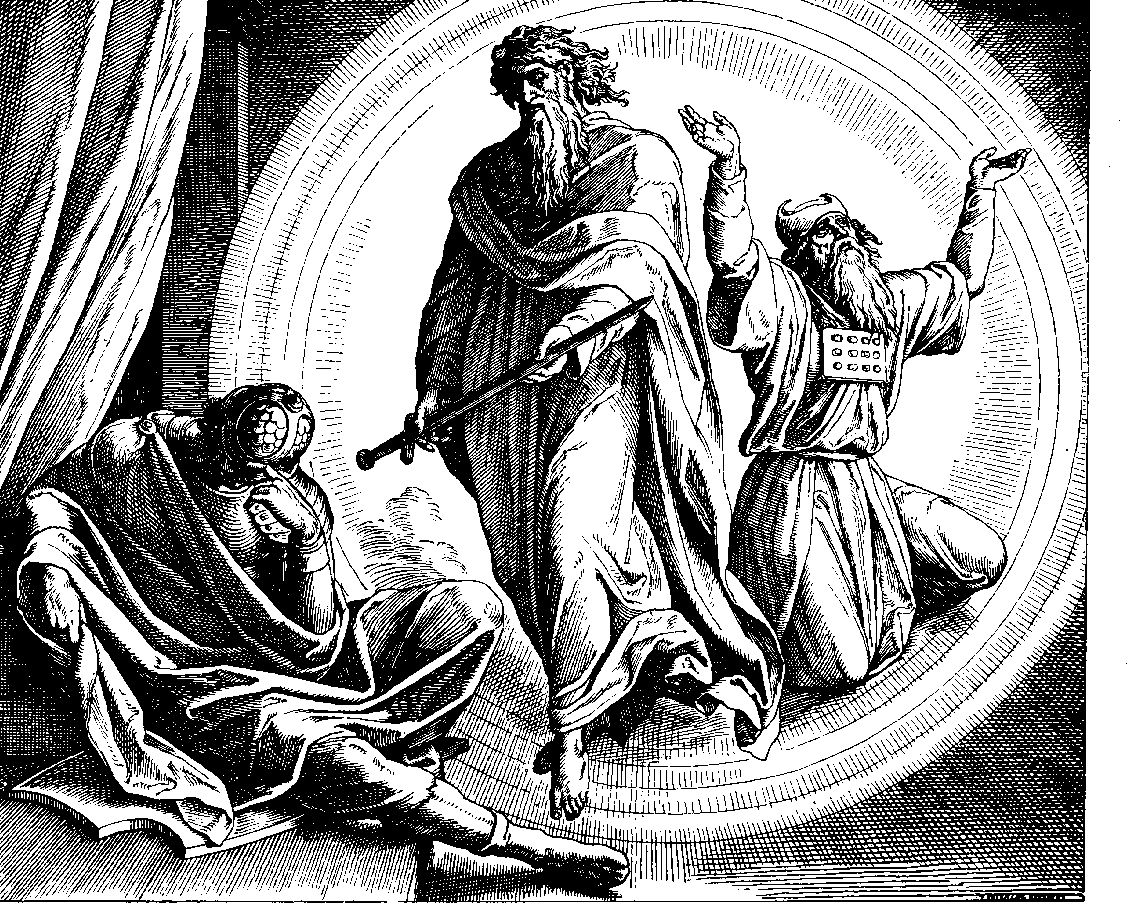

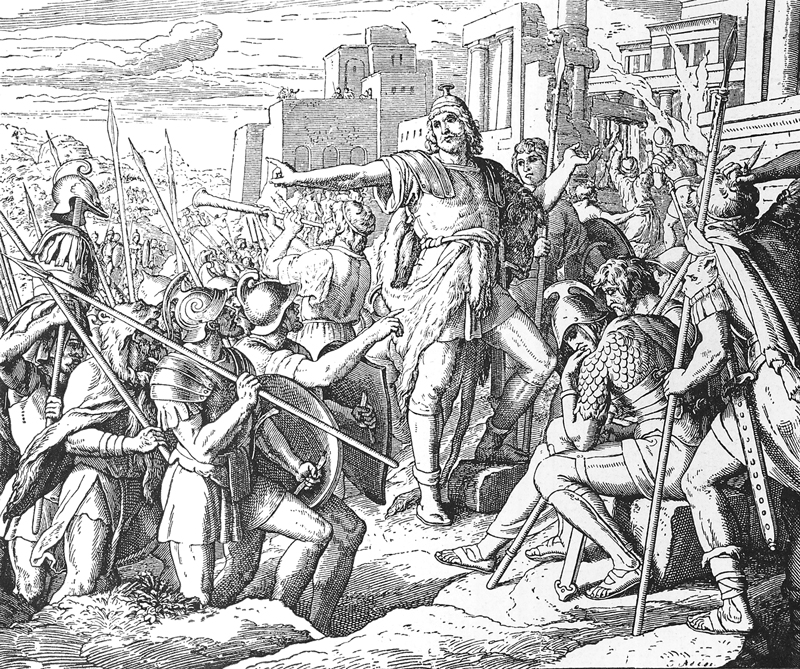

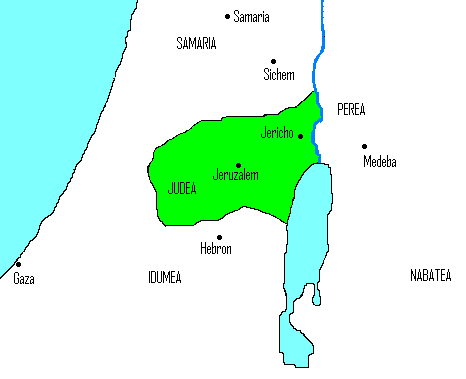

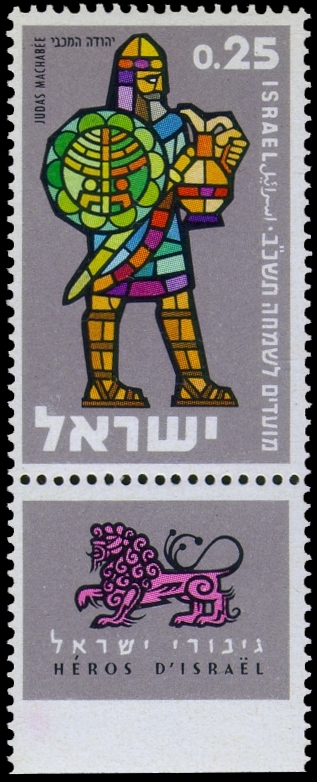
Background and causes
The revolt that Judah helped lead began as a reaction to efforts at Hellenization and to specific acts of temple desecration. Under certain Seleucid officials, elements of Greek culture and state religion were championed in ways that clashed with Jewish law and practice. When the Temple in Jerusalem was profaned and altars to foreign gods were set up, a band of Jewish priests and supporters rose in resistance, an episode recounted in later Jewish sources and summarized in contemporary historical accounts of the period. The rising is often referred to simply as the Maccabean Revolt.
Campaign and methods
Judah emerged from a priestly family (the Hasmoneans) and took charge after his father Mattathias's death. Operating with a small but devoted force, he used mobile, irregular tactics—ambushes, rapid strikes and avoidance of pitched battles when at a disadvantage—to defeat larger select units of the Seleucid forces in several engagements. He succeeded in driving occupying troops from Jerusalem, clearing the Temple of foreign images and altars, and restoring traditional rites to the sanctuary—acts sometimes summarized as the removal of Greek idols from the Temple and the subsequent rededication of the sacred space (rededication of the Temple).
Aftermath and legacy
Judah was killed in combat while continuing the struggle against remaining Seleucid forces. The revolt, however, continued under his brothers and other leaders; over time it led to the political resurgence of an autonomous Jewish polity ruled by the Hasmonean dynasty. This outcome is commonly described as the reestablishment of local Jewish sovereignty in Judaea (reestablishment of the kingdom of Judah).
Significance and remembrance
Judah Maccabee occupies an important place in Jewish memory. The rededication of the Temple is commemorated by the festival of Hanukkah. Later religious traditions include a story about a miraculous oil lamp that burned beyond expectation; however, that account comes from rabbinic sources and is treated by historians as a devotional tradition rather than a contemporary report. Historically, Judah is remembered both for defending religious freedom and for initiating a period of restored independence that shaped subsequent Jewish and regional history.
Notable aspects
- Military leadership marked by small-unit, mobile warfare.
- Religious motivation tied to preservation of traditional rites and priestly leadership.
- Legacy in religious observance (Hanukkah) and in the founding of the Hasmonean line.
For further reading and primary accounts, see ancient histories and later Jewish chronicles that describe the sequence of events and the mixed military, religious and political consequences of the revolt. Primary and secondary sources offer various perspectives on what the revolt meant for Jewish society and for the region's balance of power.
Maccabean Revolt overview • Seleucid context • Hellenization and its effects • Temple desecration accounts • Temple rededication and Hanukkah • Hasmonean dynasty and independence
Related articles
Author
AlegsaOnline.com Judah Maccabee: Leader of the Maccabean Revolt Leandro Alegsa
URL: https://en.alegsaonline.com/art/51400