
Little Boy — first atomic bomb used in warfare
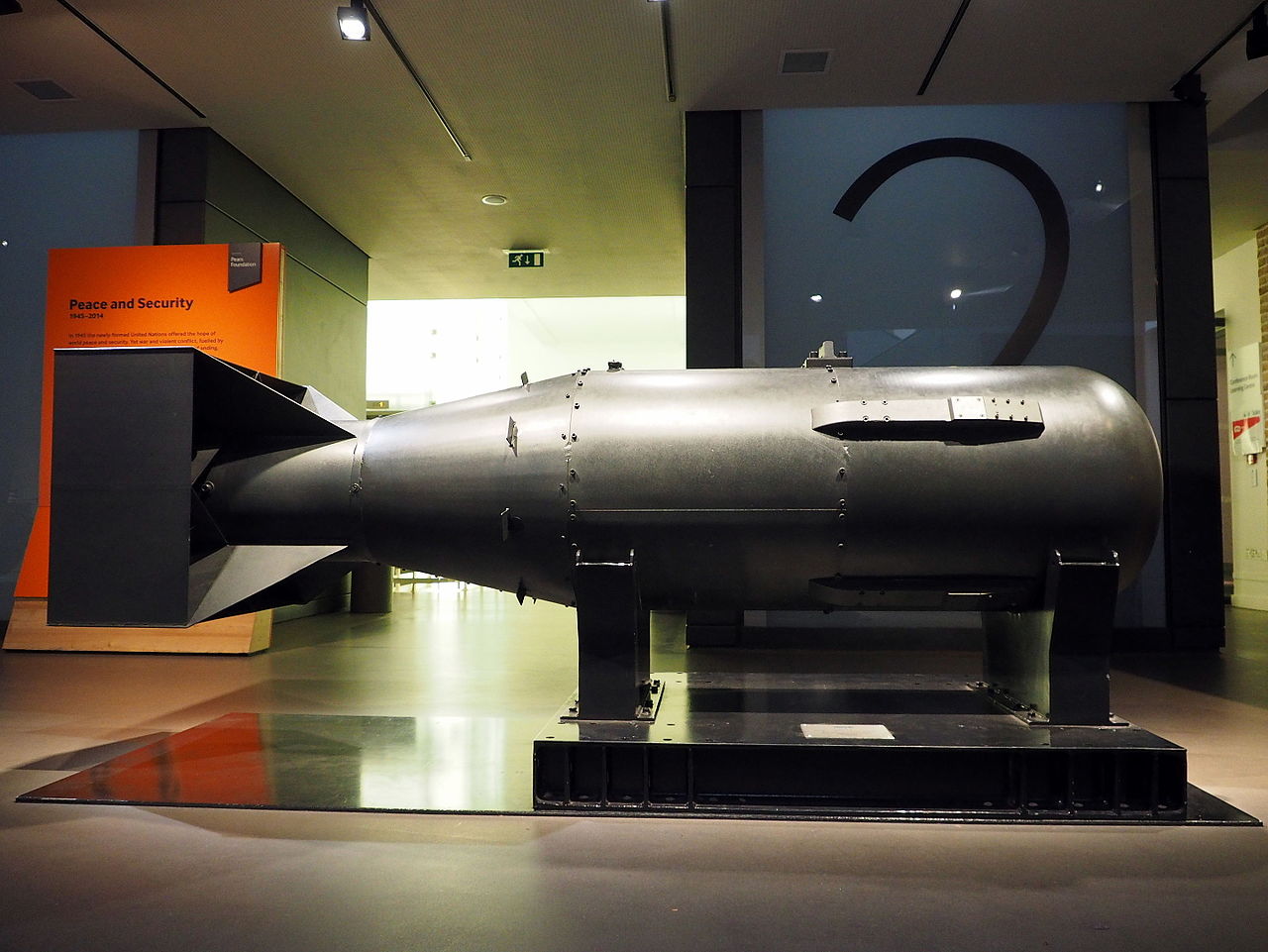
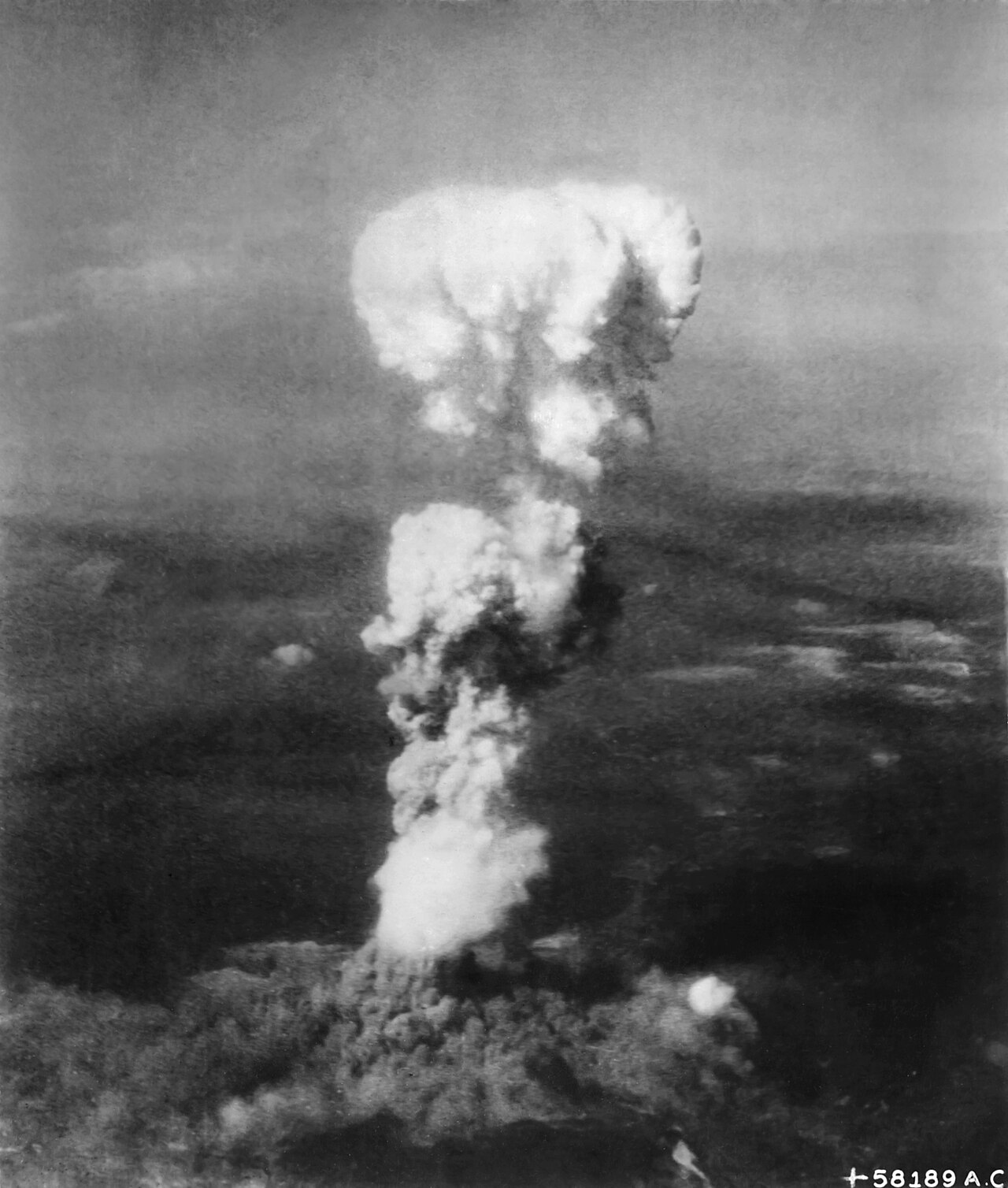
Little Boy was the uranium gun-type atomic bomb detonated over Hiroshima on 6 August 1945. It was the first nuclear weapon used in war and shaped the closing days of World War II and the postwar nuclear era.
Overview
Little Boy was the codename for the first atomic bomb deployed in combat. On 6 August 1945 a Boeing B-29 aircraft dropped the weapon over the Japanese city of Hiroshima. The mission was flown by the United States Army Air Forces and took place in the final days of World War II. The aircraft that released the bomb was the B-29 named Enola Gay.
Image gallery
10 Images




Design and characteristics
Little Boy used a gun-type design that assembled two subcritical masses of enriched uranium into a single supercritical mass to produce a nuclear explosion. This mechanism was simpler in concept than the implosion-style plutonium device used later, and it relied on highly enriched uranium-235. Unlike the first plutonium device (tested at Trinity), Little Boy was not subject to a full-scale public test before use.
Development and target selection
The weapon was produced as part of the Manhattan Project, the large wartime effort to develop nuclear arms. Military planners selected targets for a combination of military, industrial and psychological reasons; Hiroshima was chosen in part for its size, industry, and geography. The attack was authorized by senior U.S. leaders seeking to hasten the end of hostilities with Japan.
Effects and immediate consequences
The explosion produced an intense blast, heat and a high dose of ionizing radiation. Immediate deaths and injuries were large, and additional fatalities resulted from burns, trauma and radiation sickness in the days and months that followed. The bombing contributed to Japan's decision to surrender when combined with subsequent events, including the second nuclear strike and the Soviet Union's entry into the Pacific war.
Legacy and debates
Little Boy's use has been at the center of lasting ethical, legal and historical debate. It marked the opening of the nuclear age, influenced arms control and non-proliferation efforts, and left enduring humanitarian and environmental consequences for survivors and the city of Hiroshima. The event is remembered through memorials and scholarly study.
Notable facts
- First nuclear weapon used in warfare; detonated over Hiroshima on 6 August 1945.
- Gun-type uranium device using enriched uranium-235; simpler design than implosion bombs.
- Delivered by the B-29 Enola Gay and operated by the United States Army Air Forces.
- Part of the Manhattan Project and closely tied to the closing events of World War II.
- Aftermath shaped international policy and public understanding of nuclear weapons.
For further context and primary accounts, readers may consult archival material, museum exhibits and major histories of the Manhattan Project and the Pacific war.
Related articles
Author
AlegsaOnline.com Little Boy — first atomic bomb used in warfare Leandro Alegsa
URL: https://en.alegsaonline.com/art/58473
Sources
- cfo.doe.gov : "THE ATOMIC BOMBING OF HIROSHIMA"
- historylearningsite.co.uk : "The Atomic Bomb"