
Hiroshima
Hiroshima is the capital of Hiroshima Prefecture in western Japan, known for its wartime history, postwar reconstruction, Peace Memorial Park, industry, and nearby cultural sites such as Miyajima.
Overview
Hiroshima is the largest city in Japan's Chūgoku region and serves as the capital of Hiroshima Prefecture. Located on the western edge of Honshu along the Seto Inland Sea, the city today is a regional center for government, education, industry and transportation. It has a metropolitan population of roughly one million residents and combines urban districts with rivers, bays and nearby islands.
Image gallery
10 Images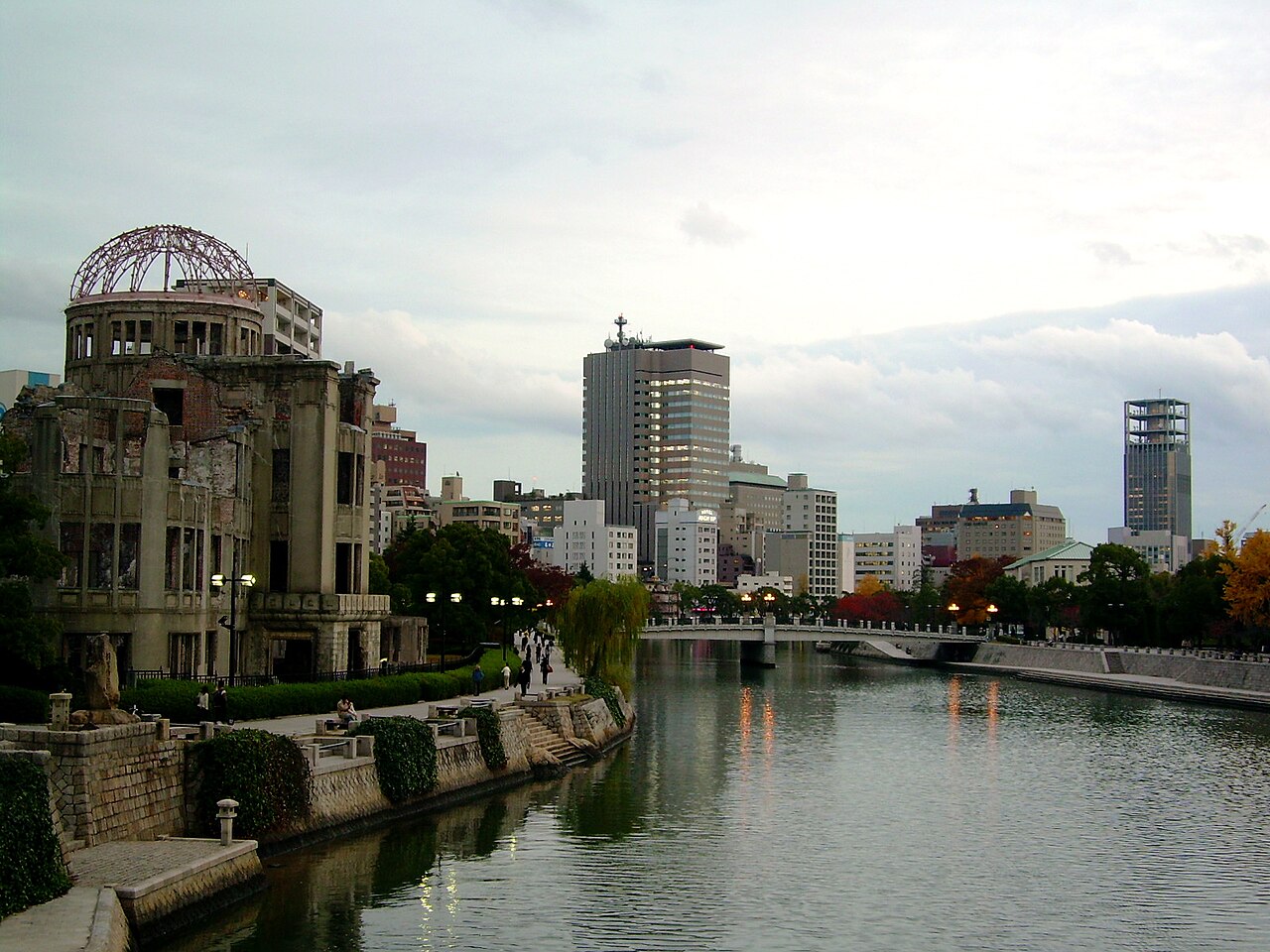




History and memory
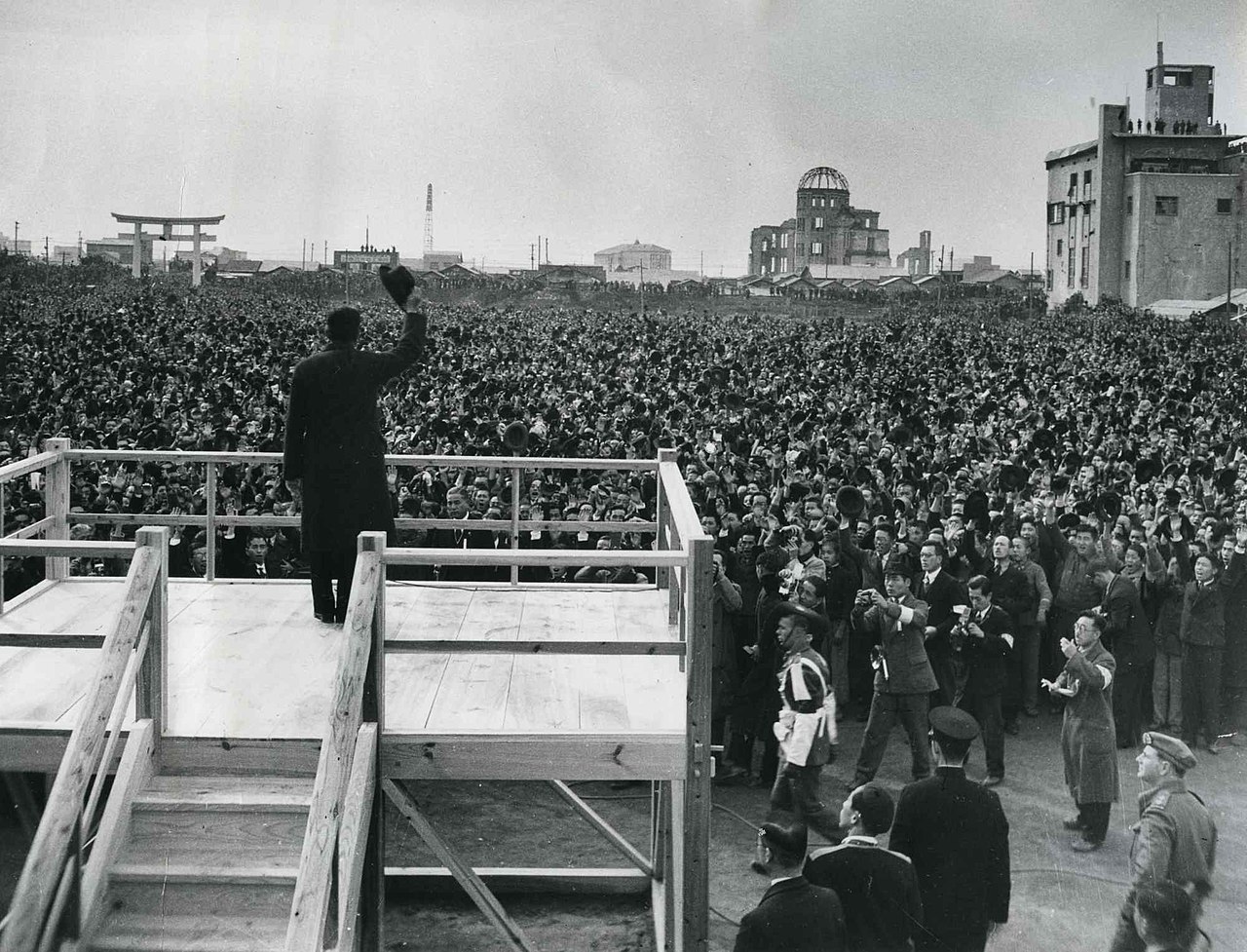
Hiroshima's modern identity is indelibly shaped by the atomic bombing of August 6, 1945. The attack caused massive loss of life and destruction. In the decades since, Hiroshima became a focal point for remembrance and advocacy for peace and nuclear disarmament. The Peace Memorial Park and the Atomic Bomb Dome (Genbaku Dome) are preserved as memorials and attract international visitors and delegations.
Economy, transport and institutions
The city's economy blends manufacturing, services and research. Hiroshima is known internationally as the headquarters region for major manufacturers. It is served by a network of rail, road and air links including the Tokaido–Sanyo Shinkansen at Hiroshima Station and regional ferries to nearby islands. Academic and cultural institutions, including universities and museums, contribute to civic life and research.
Culture, cuisine and landmarks
Hiroshima has a distinct local culture and culinary traditions, with Hiroshima-style okonomiyaki being one of its best-known dishes. The city and its surroundings offer historical and natural attractions, combining urban parks and historic shrines with islands in the Inland Sea.
- Peace Memorial Park and Museum — commemorating the 1945 bombing and promoting peace.
- Atomic Bomb Dome — preserved ruin and UNESCO World Heritage Site.
- Miyajima (Itsukushima) — nearby island famed for its floating torii gate and shrine.
- Local cuisine and festivals — reflecting regional ingredients and traditions.
Hiroshima's postwar recovery and ongoing role as a center for peace advocacy make it a city of historical importance and contemporary vitality. Visitors encounter a blend of solemn remembrance, modern urban life and access to significant cultural landscapes.
Related articles
Author
AlegsaOnline.com Hiroshima Leandro Alegsa
URL: https://en.alegsaonline.com/art/44397
Sources
- books.google.com : "Hiroshima"
- ourcivilisation.com : 7. Activation (September 1, 1944 — June 27, 1945) From 'Ruin From The Air' by Gordon Thomas & Max Morgan Witts
- news.bbc.co.uk : "1945: US drops atomic bomb on Hiroshima"
- osti.gov : THE ATOMIC BOMBING OF HIROSHIMA