
Enola Gay — the B-29 bomber that released the Hiroshima bomb
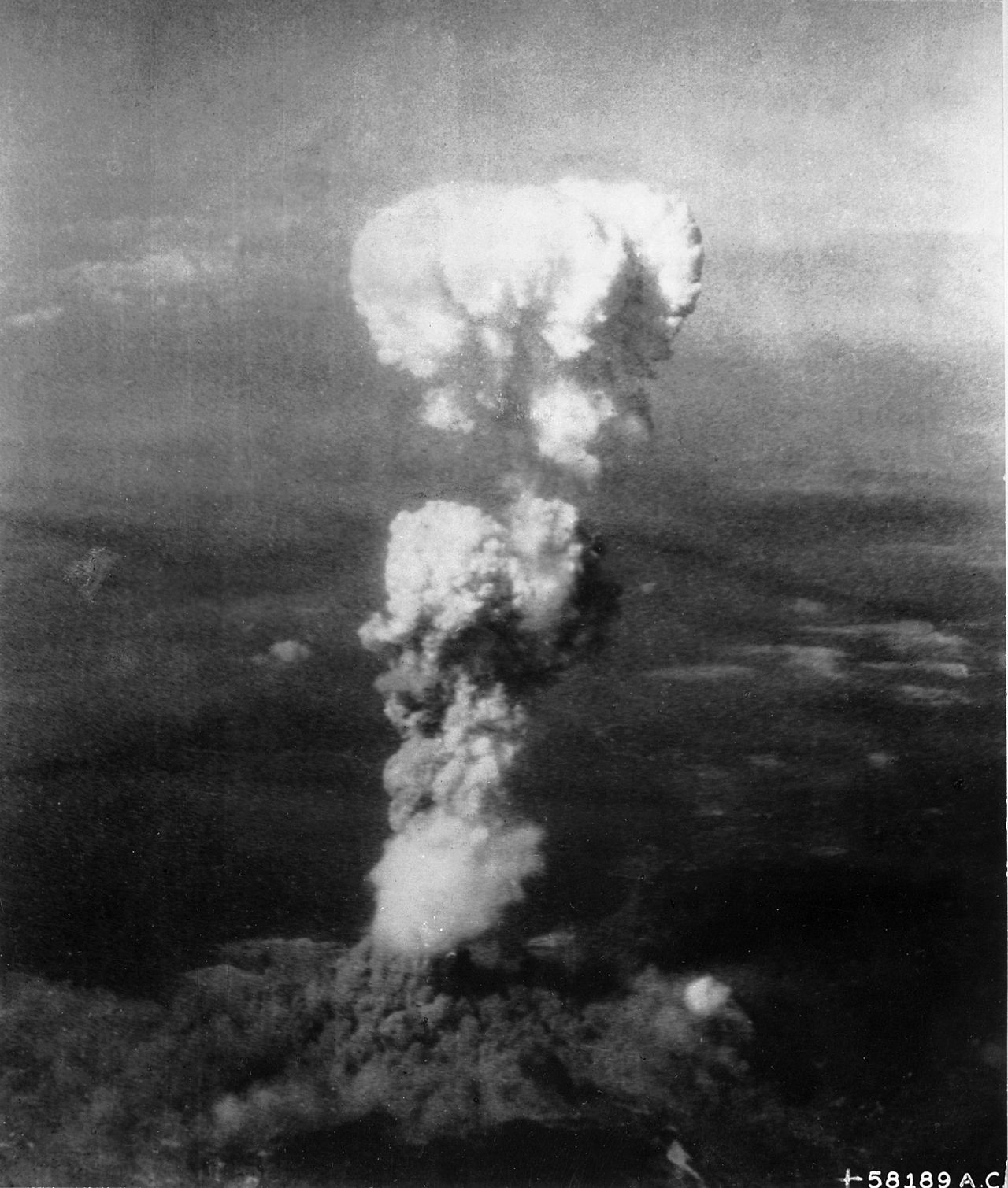
The Enola Gay is the Boeing B-29 Superfortress that dropped the atomic bomb Little Boy on Hiroshima in August 1945. It remains a preserved and controversial artifact of World War II history.
Overview
The Enola Gay is a Boeing B-29 Superfortress bomber best known for delivering the atomic bomb Little Boy to the Japanese target of Hiroshima during World War II. The mission took place in early August 1945 and marked the first use of a nuclear weapon in armed conflict. The aircraft's name honors the mother of its commander, Colonel Paul Tibbets.
Image gallery
10 Images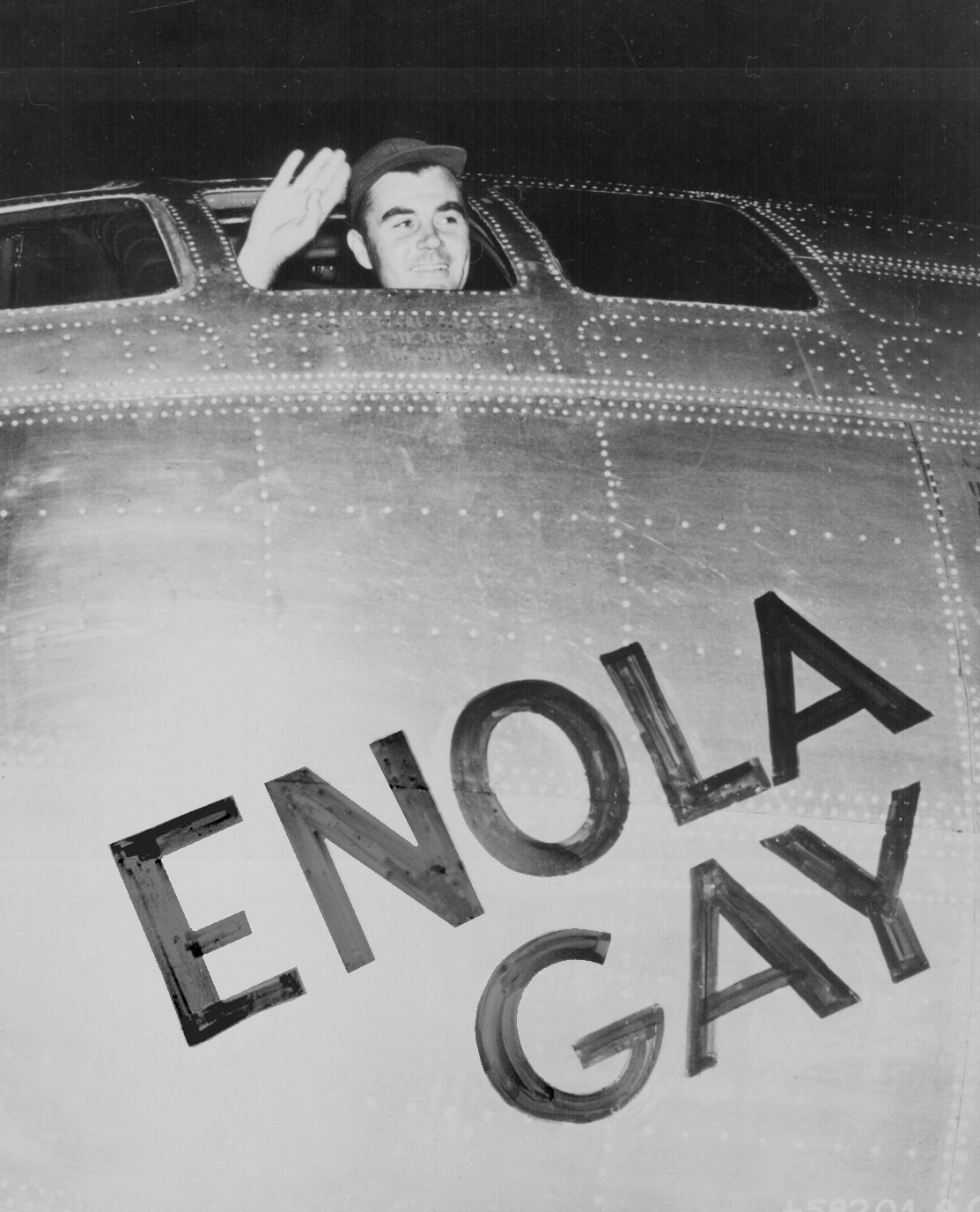




Design and characteristics
The Enola Gay was a standard B-29 airframe modified for the 509th Composite Group's special missions. B-29s were four-engine, pressurized heavy bombers with long range and a high-service ceiling, designed to carry large conventional or special weapons. The specific aircraft commonly referenced as the Enola Gay was a military production bomber adapted to carry the gun-type uranium device known as Little Boy.
History and mission
On 6 August 1945 the Enola Gay departed from the Mariana Islands on a mission that culminated in the release of the atomic weapon over Hiroshima. The explosive event produced immense destruction and loss of life and played a central role in the closing weeks of the Pacific war. After the mission the aircraft continued to serve with its unit and then entered storage; it was officially used from 18 May 1945 to 24 July 1946 before long-term preservation efforts began.
Preservation, public display and debate
Following decommissioning the Enola Gay was preserved and eventually became part of a national collection. It has been exhibited at museum facilities and has been the focus of public debate over how to present artifacts connected to atomic warfare. Discussions have balanced technical and historical interpretation with the humanitarian consequences of nuclear weapons, and museum presentations have evolved in response to public input.
Notable facts
- Named by its pilot for his mother, Enola Gay Tibbets (hence the aircraft's commonly used name).
- Operated by the U.S. Army Air Forces' 509th Composite Group for the Hiroshima mission.
- Recognized both as a milestone in aviation and a symbol of the devastating human cost of nuclear weapons.
The Enola Gay remains an enduring subject in studies of military history, technology and ethics. It is frequently cited in discussions of the development and use of strategic bombing, the decision to employ atomic weapons, and the responsibilities of museums in handling contested historical objects. The aircraft and its story continue to be examined from technical, historical and moral perspectives, reflecting its complex place in twentieth-century history.
For further reading on related topics, see resources on the B-29 design, the Little Boy weapon, and the wartime context for operations over Japan.
Questions and answers
Q: What is the Enola Gay?
A: The Enola Gay is a B-29 Superfortress Bomber.
Q: What was the Enola Gay's claim to fame?
A: The Enola Gay is famous for dropping the first atomic bomb (named Little Boy) over the Japanese city of Hiroshima during World War II.
Q: Who is Enola Gay Tibbets?
A: Enola Gay Tibbets is the mother of the Enola Gay's pilot, Paul Tibbets.
Q: When was the Enola Gay used?
A: The Enola Gay was used from 18 May 1945 to 24 July 1946.
Q: What happened to the Enola Gay after July 1946?
A: After July 1946, the Enola Gay was stored at Suitland, Maryland.
Q: Why was the Enola Gay named after Enola Gay Tibbets?
A: The Enola Gay was named after Paul Tibbets' mother, Enola Gay Tibbets.
Q: What type of plane is the Enola Gay?
A: The Enola Gay is a B-29 Superfortress Bomber.
Related articles
Author
AlegsaOnline.com Enola Gay — the B-29 bomber that released the Hiroshima bomb Leandro Alegsa
URL: https://en.alegsaonline.com/art/31545
Sources
- atomicarchive.com : "Col. Tibbets aboard the Enola Gay"
- acepilots.com : "Paul Tibbets Commanded Enola Gay, dropped first atomic bomb on Hiroshima"