
Lockheed C-130 Hercules
Four-engine turboprop military transport introduced in 1957. Widely used for tactical airlift, airdrop, medevac and many special missions; notable for versatility, ruggedness and long in-service life.
Overview
The Lockheed C-130 Hercules is a four-engine turboprop military transport aircraft renowned for its versatility and longevity. Developed in the 1950s, it was introduced into service in 1957 and has been continually updated to meet changing requirements. The design emphasizes short-field performance, heavy cargo capacity for its class, and the ability to operate from austere runways.
Image gallery
4 Images


Design and key characteristics
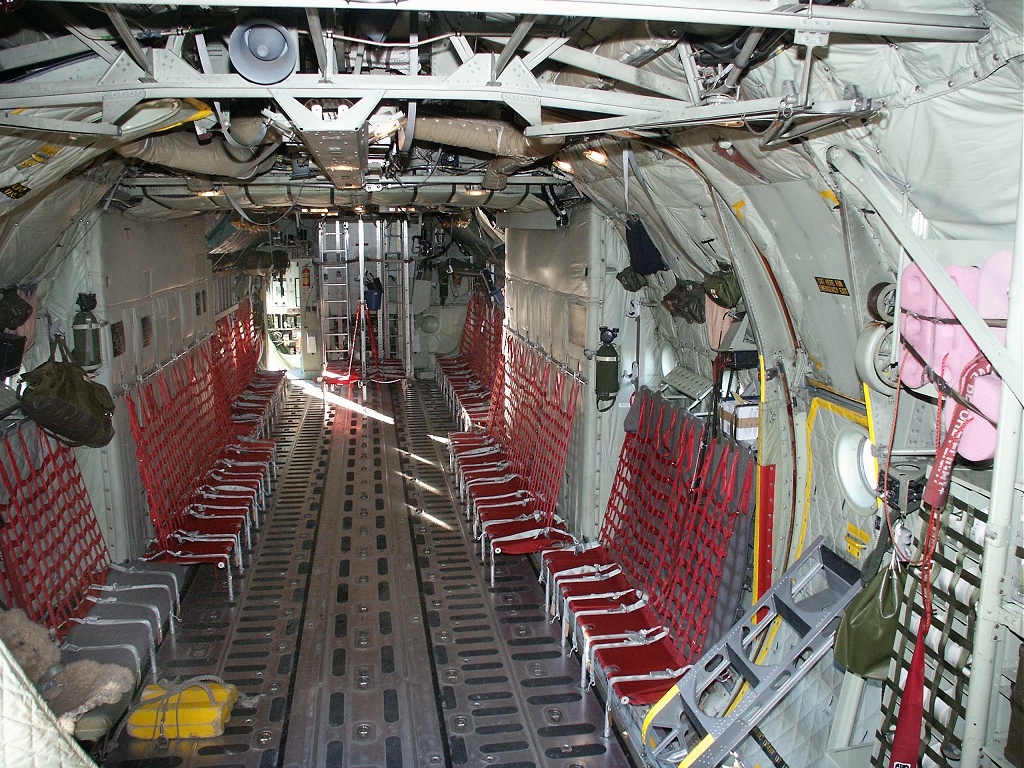
The C-130 features a high wing, a rear loading ramp and a robust airframe that accepts a wide variety of loads, from vehicles and pallets to personnel and airdropped cargo. Typical engineering features include turboprop engines for good low-speed thrust, rugged landing gear for unprepared strips, and a spacious cargo bay with tie-down points and seating for troops or stretchers.
- High-wing monoplane layout for stability and ground clearance.
- Rear ramp and large cargo door for rapid loading and airdrop operations.
- Adaptable interior allowing quick configuration changes (cargo, passengers, medevac).
Variants and roles
The Hercules family has spawned dozens of variants that serve conventional transport roles and specialized missions. Commonly seen roles include tactical airlift, paratroop insertion, medical evacuation, search and rescue, aerial firefighting, weather reconnaissance and aerial refuelling. Some conversions are weaponized or sensor-equipped for gunship, electronic warfare or special operations duties.
- Transport and airlift versions for troops and cargo.
- Special mission versions such as gunship, tanker and reconnaissance models.
- Modernized versions (for example with new engines and avionics) to extend operational life.
History and operational service
First flown in the mid-1950s and introduced in 1957, the C-130 has served with military and civilian operators worldwide for decades. It has been produced in multiple production blocks and continually upgraded rather than replaced, which has prolonged its frontline relevance. The type remains in active service with more than sixty countries around the globe, reflecting its adaptability and reliability; see a current list of operators here.
Notable distinctions
The Hercules is often cited as one of the most widely used and versatile tactical transports ever built. Its long service life, modular airframe and capacity for numerous mission conversions make it distinctive compared with larger strategic transports. Continued modernization programs have kept newer variants competitive with contemporary requirements while retaining the core characteristics that defined the original design.
Related articles
Author
AlegsaOnline.com Lockheed C-130 Hercules Leandro Alegsa
URL: https://en.alegsaonline.com/art/58772