
Leviathan: Biblical Sea Monster, Symbol, and Cultural Figure
Leviathan is a legendary sea creature from Hebrew scripture that became a symbol of chaos, a metaphor for state power, and a fixture in religious, literary, and popular culture.
Overview
The name Leviathan comes from a Hebrew word traditionally written as לִוְיָתָן, often rendered as a coiled or twisted sea monster. In ancient texts it appears as a prime example of a powerful, untamable creature; in later traditions it became both a theological symbol and a cultural reference for any immense sea-being. The term is commonly associated with biblical passages and has been used broadly to refer to whales or great sea monsters in literature and common speech; it even survives in Modern Hebrew as a word for "whale" (Modern Hebrew).
Image gallery
10 Images






Biblical accounts and descriptions
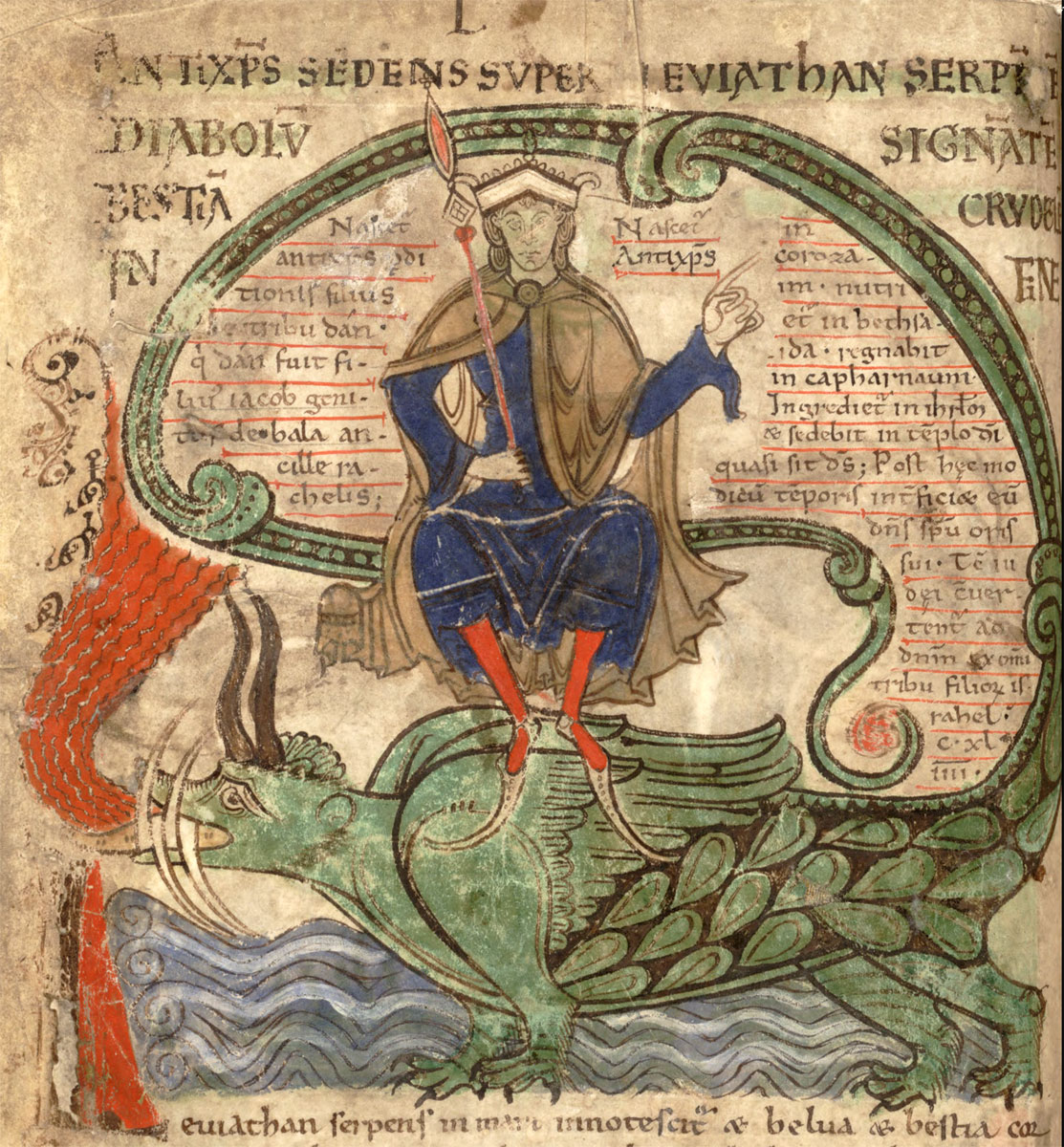
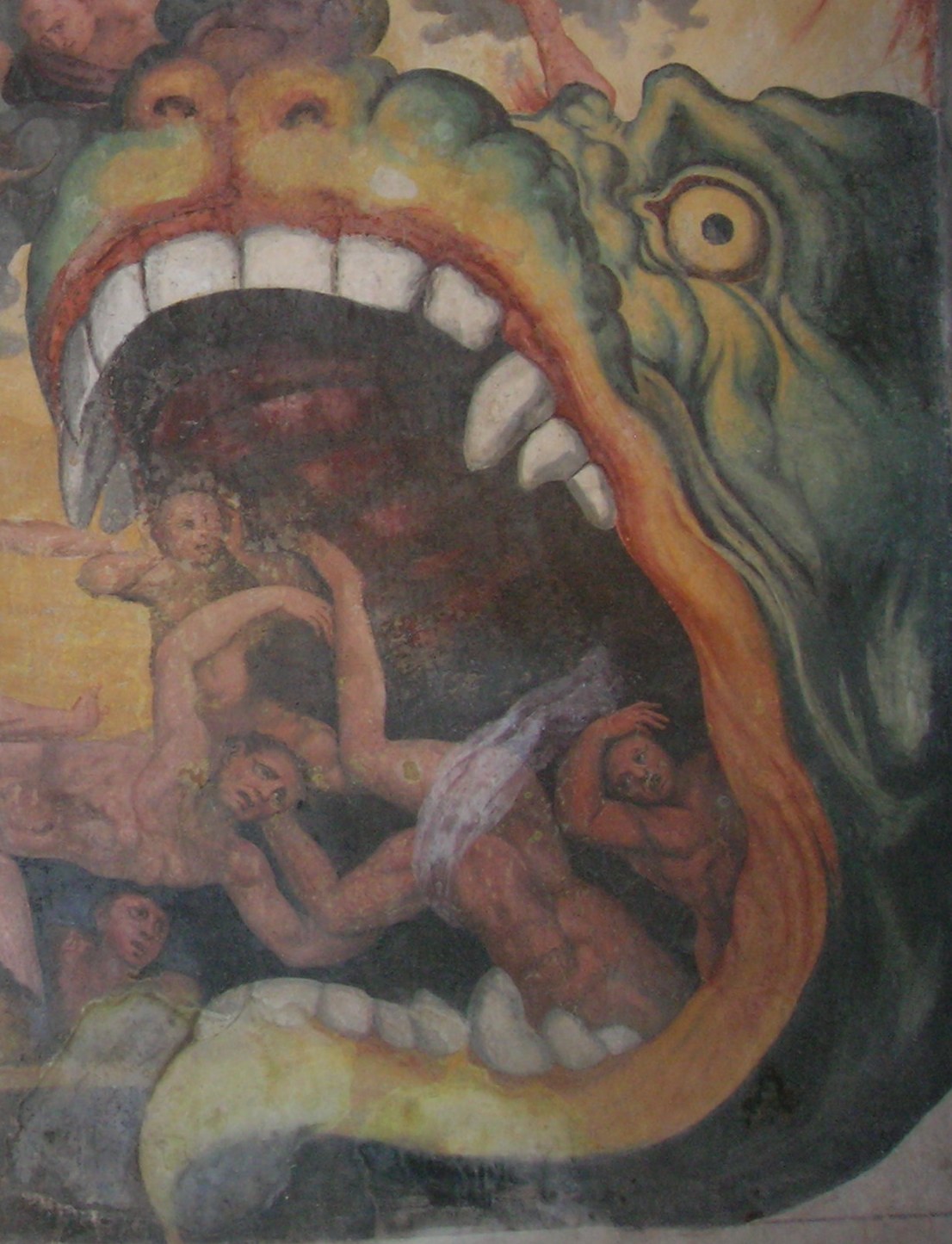
Leviathan is attested in several biblical books where the creature is portrayed variously as a formidable dragon, serpent, or sea monster. Passages in poetic and prophetic texts describe strong scales, fearsome jaws, and a creature that defies human capture. These passages are cited in scholarly and devotional readings that emphasize Leviathan as an emblem of the wild and chaotic forces of the sea. For general reference to its scriptural presence see biblical books and related commentary; the creature is also commonly called a "monster" in many accounts (monster).
Interpretations and traditions
Jewish rabbinic literature expands the biblical sketch with legends about Leviathan’s origin, its mate, and a messianic banquet in which its flesh will be served to the righteous. In some Christian and medieval interpretations Leviathan is linked with chaos or evil, and in certain demonological schemes it is listed among infernal princes (Satanism traditions and others) and described as a prince of Hell.
Symbolism, philosophy and literature
As a symbol Leviathan has been repurposed many ways: theologians used it to illustrate God’s supremacy over chaos; philosophers and political theorists adopted the name for metaphors of power—most famously in Thomas Hobbes’s political work titled "Leviathan"—and novelists and poets likened great whales or ships of state to the creature. Herman Melville and other writers draw on the image of the vast, inscrutable sea-beast (Moby-Dick among modern examples).
Characteristics, distinctions, and cultural influence
- Typical attributes: immense size, impenetrable hide or scales, serpentine form, association with the sea.
- Often paired with Behemoth (a land counterpart) or Rahab in mythic corpuses.
- Used metaphorically for overwhelming forces—natural, political, or spiritual—and appears across art, music, gaming, and ship names.
Leviathan thus functions both as an ancient mythic creature rooted in scripture and as a durable cultural motif that crosses religious, literary, and secular boundaries.
Related articles
Author
AlegsaOnline.com Leviathan: Biblical Sea Monster, Symbol, and Cultural Figure Leandro Alegsa
URL: https://en.alegsaonline.com/art/57570