
Loki (Marvel Comics)
Loki is Marvel Comics' trickster figure: an Asgardian sorcerer and shape‑shifter who shifts between villain and antihero. He is Thor’s adoptive brother and a major figure in comics and the MCU.
Overview: Loki is a recurring character in comic books published by Marvel Comics. Inspired by the Norse god Loki of Norse mythology, the Marvel version is a cunning Asgardian whose motives and methods often blur the line between antagonist and reluctant ally. Readers and viewers most frequently recognize Loki as a master of trickery who opposes and, at times, aids his onetime companion Thor. In many depictions he is called a supervillain but his role has evolved to include antiheroic and sympathetic portrayals.
Image gallery
8 Images
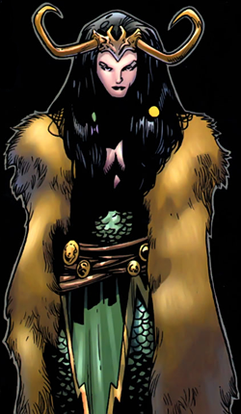


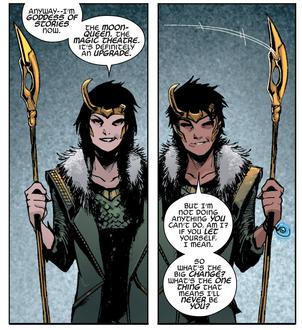
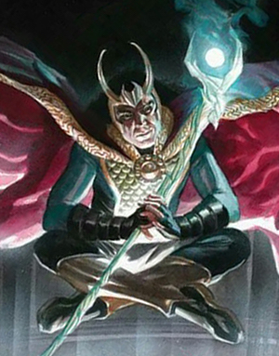

Characteristics and abilities
Loki’s abilities combine innate Asgardian attributes and magical skill. As an Asgardian he possesses enhanced strength, resilience, and longevity relative to humans. His defining traits in Marvel stories are his expertise in sorcery, proficiency with illusion and mind manipulation, and a talent for shape‑shifting. Loki frequently uses deception, misdirection and long-term planning rather than straightforward force. He also makes use of enchanted items, enchanted garments, or artifacts to amplify his powers. Over many storylines writers have emphasized his intelligence, charisma and theatricality as much as raw magical power.
Publication history and development
The Marvel incarnation of Loki was created by writers and artists working for Marvel and is most commonly attributed to writers Stan Lee and Larry Lieber together with artist Jack Kirby. He debuted in the early 1960s as a foil for Thor and has appeared in a wide range of titles ever since. Across decades of comics the character has been reinterpreted by different creative teams, allowing Loki to shift from straightforward villain to a complex figure with changing loyalties and multiple incarnations, including gendered or youthful versions.
Notable versions and aliases
- Variants in the comics include alternate identities such as Lady Loki and Kid Loki, reflecting both narrative experiments and the mythic trickster tradition.
- Loki’s family relationships—most famously as the adoptive brother and enemy of Thor—are central to many plots and to his personal conflicts.
- Some storylines explore Loki’s origin as a Frost Giant by birth and his adoption into Asgardic royalty, themes that the character shares with various mythic and modern retellings.
In other media and cultural impact
Loki’s profile rose sharply with film and television adaptations. In the Marvel Cinematic Universe, portrayed by Tom Hiddleston, Loki appears in multiple feature films and a solo streaming series produced within the Marvel Cinematic Universe. Those portrayals lean into his charisma, moral ambiguity and capacity for change, introducing him to a large mainstream audience and inspiring further comic reinterpretations. Loki’s popularity has made him one of Marvel’s best‑known trickster figures and a frequent subject of analysis about villainy, redemption and identity in popular culture.
Distinctions and notable facts
While Marvel borrows the name and some narrative beats from pre-Christian Norse tales, the comics create a distinct, modern character tailored to superhero storytelling. Loki occupies a special niche as a mythic archetype adapted for serialized comics: his stories often mix gods, cosmic politics, personal vendettas and moral ambiguity. Those interested in further details, issue histories and adaptations can consult publishers’ archives and official character guides for more exhaustive chronologies.
For supplemental reading on Loki’s comic appearances, mythic origins and screen adaptations, see related entries and resources via publisher pages and reference works: villain profile, comics overview, publisher site, mythic source, Norse context, creator 1, creator 2, creator 3, Thor relationship, MCU page, actor profile.
Related articles
Author
AlegsaOnline.com Loki (Marvel Comics) Leandro Alegsa
URL: https://en.alegsaonline.com/art/58924