
Moby-Dick
An overview of Herman Melville's 1851 novel Moby-Dick: its story, composition, structure, themes, publication history, and lasting influence on literature and culture.
Overview
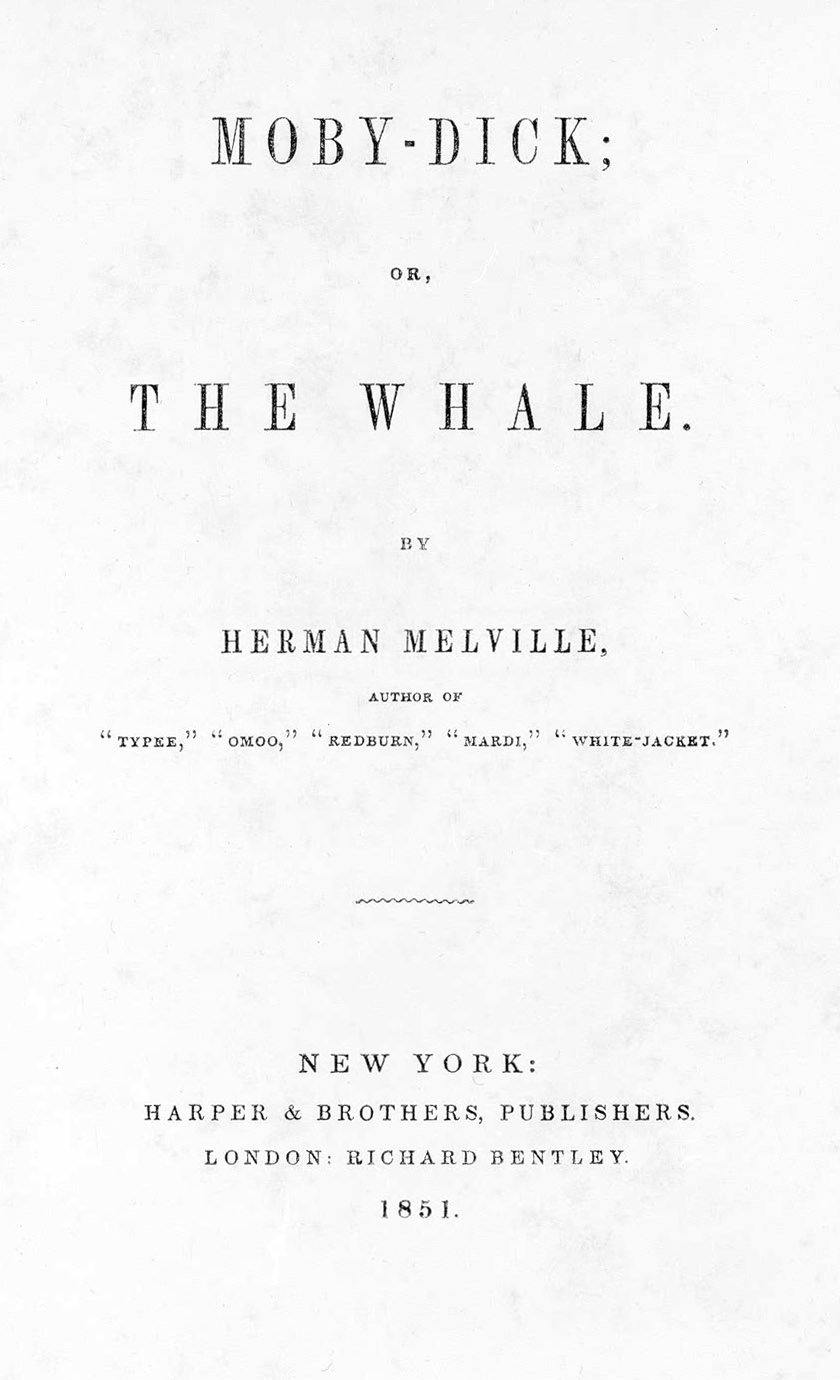
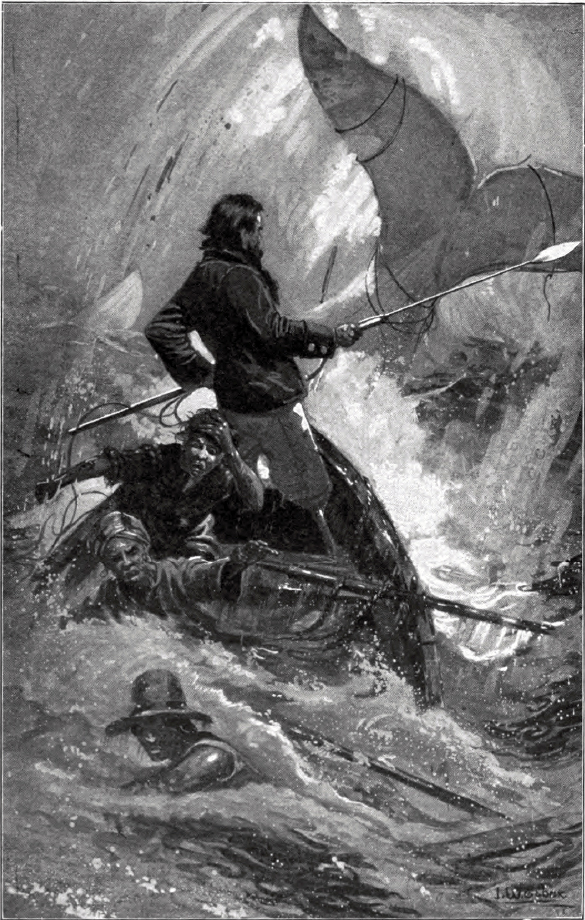
Moby-Dick is a mid-19th-century novel by Herman Melville, first published in 1851. The narrative is told by Ishmael, a sailor who signs aboard a whaling ship called the Pequod. Its captain, introduced as a single-minded captain, pursues an enormous white whale popularly known as Moby Dick. Melville blends adventure and seafaring detail with philosophical reflection, producing a story that follows a voyage but also probes larger questions about human purpose.
Image gallery
8 Images




Composition and sources
Melville composed the book over roughly eighteen months, drawing on his own months at sea and on contemporary accounts of whaling voyages. He incorporated practical material about whale hunting, the economics of whale oil, and daily life aboard a ship, while also addressing issues of social status and varying ideas about God that circulated in mid-19th-century America. The novel mixes factual reportage with imaginative invention, and it reflects both technical curiosity and moral inquiry.
Structure and style
Moby-Dick is notable for an experimental structure that alternates between linear narrative and digressive chapters: descriptive cetology, dramatic scenes, homiletic passages, and meditations on fate and revenge. Its first appearance came in two different forms: a London edition titled The Whale issued in October, and a closely timed American edition published in London and New York under the now-familiar title. Readers encounter an authorial voice that shifts in tone—from colloquial storytelling to elevated rhetoric—so the book resists a single genre label.
Main characters
- Ishmael — the reflective narrator who signs on to the Pequod.
- Captain Ahab — the brooding leader driven to hunt the white whale.
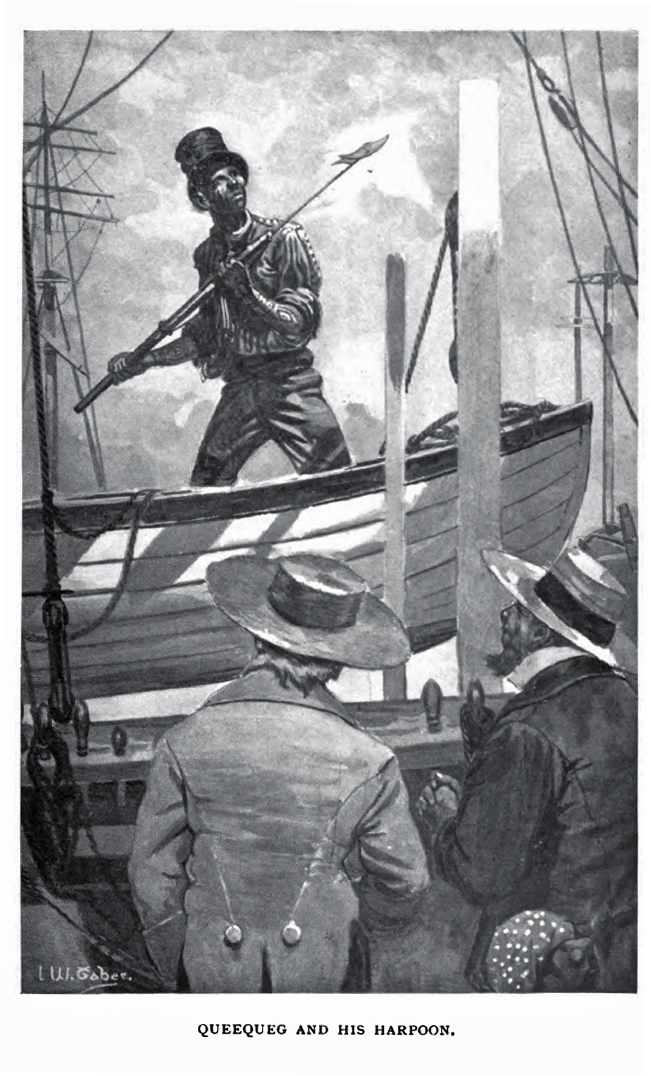
- Queequeg — a skilled harpooneer and Ishmael's close companion.
- Starbuck, Stubb, and Flask — officers whose temperaments offer contrasts to Ahab.
Themes and interpretation
The novel explores obsession, judgment, and the human relationship with nature. Ahab’s quest has often been read as an image of single-minded pursuit that overwhelms ethical restraint and communal life. In parallel, Melville uses encyclopedic detail about whales and whaling to set empirical knowledge against myth and superstition, inviting readers to weigh science, faith, and narrative authority. The white whale itself functions as a symbol with multiple, sometimes contradictory, meanings rather than a single allegorical object.
Reception, legacy, and adaptations
Contemporary responses were mixed and sales were modest during Melville's lifetime, but the novel underwent critical rediscovery in the 20th century and is now widely regarded as a major work of American literature. Its influence extends to stage and screen adaptations, critical scholarship, and frequent citation in discussions about literary modernity, narrative voice, and the ethics of human dominion over nature.
For further exploration, see related subjects via these links: novel studies, author biography, whaling history, ship life, leadership in literature, symbolic animals, commodity history, class and rank, religious themes, themes of revenge, publication history, American editions.
Related articles
Author
AlegsaOnline.com Moby-Dick Leandro Alegsa
URL: https://en.alegsaonline.com/art/65680