
Leaellynasaura — a small polar herbivorous dinosaur from Cretaceous Australia
Leaellynasaura was a small, bipedal herbivorous dinosaur that lived in what is now Australia during the Early Cretaceous. It is notable for its polar habitat and unusual skull and tail features.
Overview
Leaellynasaura is a genus of small ornithischian dinosaur first described from Early Cretaceous rocks in what is now southeastern Australia. The animal lived roughly 115–110 million years ago and occupied a high-latitude region that, during the Cretaceous, lay within the Antarctic Circle. It is generally interpreted as a fast, bipedal herbivore with features adapted to life in a seasonally dark, cold environment. The type species is commonly referred to in scientific literature and popular sources under the name Leaellynasaura amicagraphica.
Image gallery
10 Images



Physical characteristics and adaptations
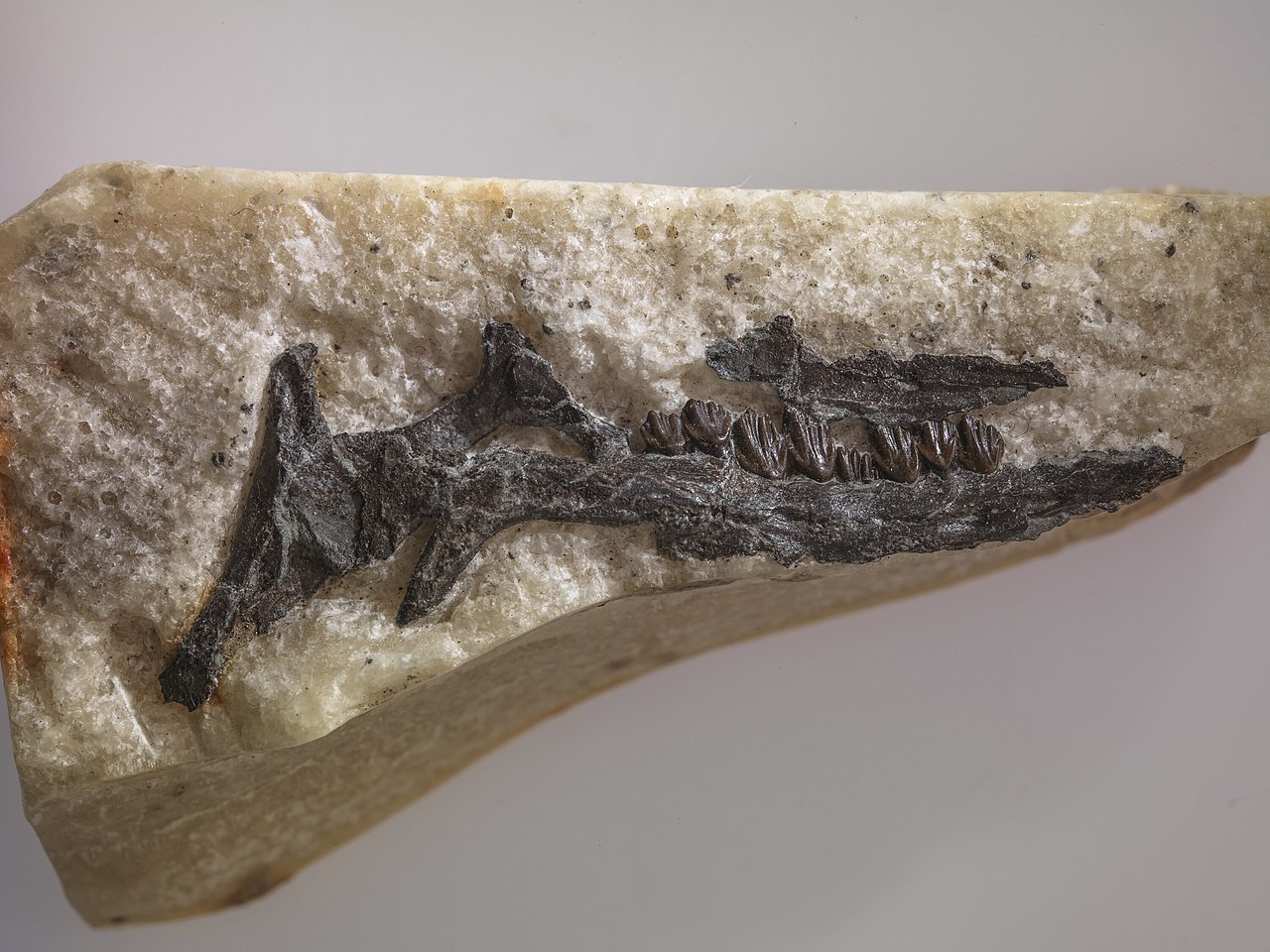
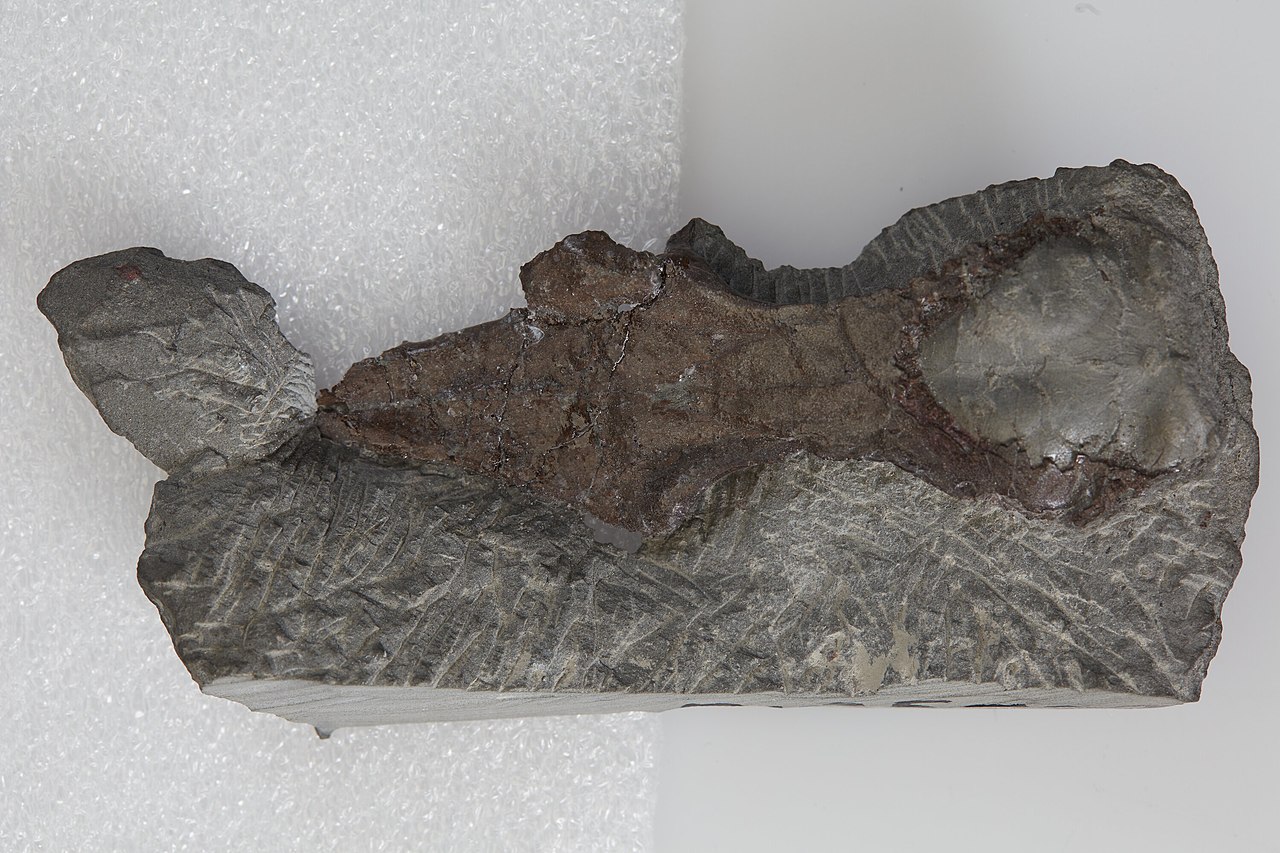
Fossils indicate that Leaellynasaura was relatively small compared with many other dinosaurs, with estimates suggesting a length on the order of one to two meters when fully grown. Key anatomical traits include a lightly built skeleton, long tail, and skull proportions that produced large eye sockets (orbits) relative to skull size. These features have prompted discussion about possible adaptations:
- Locomotion: a gracile hindlimb structure suggests it was capable of rapid, sustained bipedal running.
- Vision: enlarged orbits have been interpreted as an adaptation to low-light conditions during long polar winters, though other explanations (such as juvenilility or preservation) have been proposed.
- Feeding: leaf-shaped teeth and jaw mechanics indicate an herbivorous diet, likely consisting of low-lying vegetation available in its environment.
Classification and discovery
Leaellynasaura was named and described from Australian fossil beds and has generally been placed among basal ornithopods or other small, bipedal ornithischians. Its precise relationships are debated; different phylogenetic studies have recovered it near early ornithopods, while others have suggested alternative placements among small-bodied ornithischians. The original specimens were recovered from Early Cretaceous strata and remain important for understanding southern hemisphere dinosaur faunas.
Paleoenvironment and behavior
The animal lived during the Cretaceous Period when Australia occupied polar latitudes. Although climates in the Cretaceous were generally warmer than today, the region still experienced extended periods of winter darkness and seasonal changes. Leaellynasaura shared its habitat with a variety of other dinosaurs and early mammals, and its anatomy suggests it was well suited to foraging for plant matter and avoiding predators by speed and agility. Paleontologists study its remains to infer growth patterns, social behavior, and seasonal ecology.
Significance and notable facts
Leaellynasaura is often cited as an example of a dinosaur adapted to polar conditions. It highlights how diverse dinosaur communities were in high latitudes and how animals coped with prolonged seasonal variation. Fossils from Australia, including those of Leaellynasaura, help fill geographic gaps in our knowledge of Cretaceous ecosystems and show that small, fleet-footed herbivores were an important component of those faunas.
Further reading and resources
For general information on small ornithischians and polar dinosaurs, see resources on herbivorous dinosaurs and Australian fossil sites. More detailed academic treatments consider its anatomy, growth series, and phylogenetic position in the broader context of Early Cretaceous vertebrates. (See entries on herbivores, regional paleofaunas of Australia, and climatic context via polar paleoenvironments.)
Related articles
Author
AlegsaOnline.com Leaellynasaura — a small polar herbivorous dinosaur from Cretaceous Australia Leandro Alegsa
URL: https://en.alegsaonline.com/art/56760
Sources
- informaworld.com : informaworld.com/smpp/321503875-4656575/content~db=all~content=a922467212~tab=content~ord…
- vertpaleo.org : vertpaleo.org