
Lemming: Arctic rodents of the tundra
Small, stout Arctic rodents of the subfamily Arvicolinae; known for cyclic populations, herbivorous diet, and a persistent myth about mass suicide. Important prey in tundra ecosystems.
Overview
Lemmings are small, stocky rodents in the subfamily Arvicolinae closely related to voles. They inhabit northern regions, especially the Arctic and subarctic. Typical habitats include open tundra biomes, rocky slopes, and areas with low shrub cover. As herbivores they play a central role in high-latitude food webs.
Image gallery
3 Images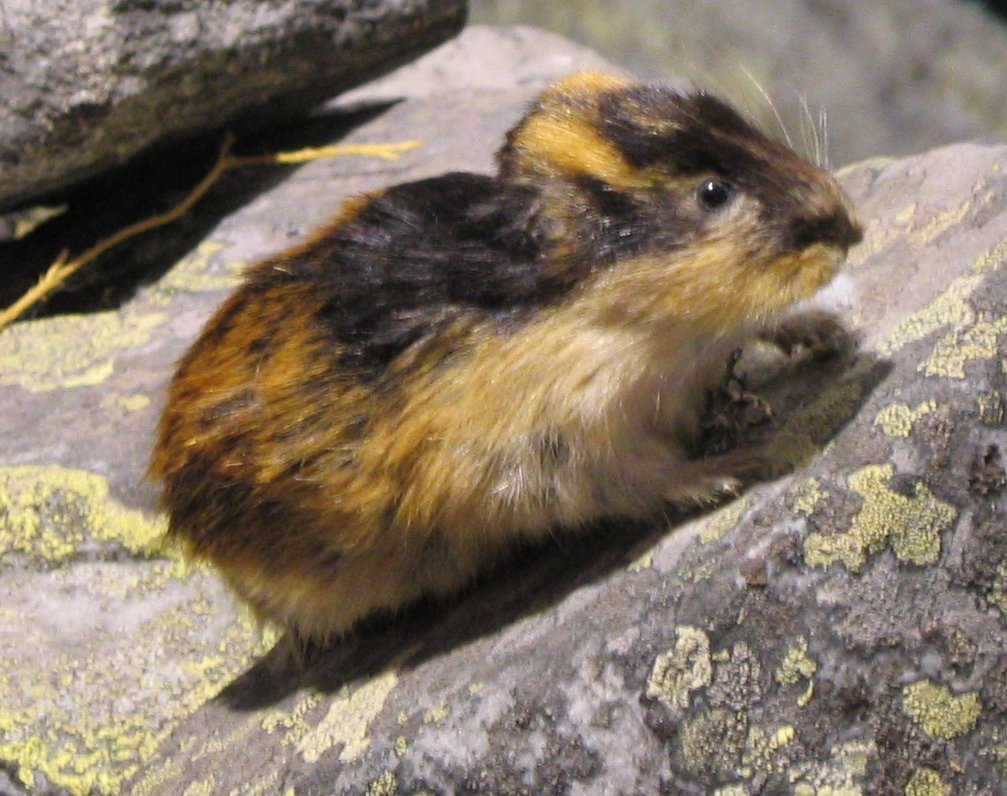


Physical characteristics
Generally compact with short tails and rounded ears, lemmings are adapted to cold environments. Fur color can change seasonally in some species, providing winter camouflage. Common features include:
- Small size and stout build
- Dense winter fur, sometimes turning pale or white
- Sharp incisors for cutting vegetation
- Short limbs suited for burrowing and moving through dense ground cover
Behavior, diet and life cycle
Lemmings feed mainly on grasses, sedges, mosses and other tundra plants. They breed rapidly when conditions are favorable; several litters per year are possible, which contributes to the well-known boom-and-bust population cycles observed in many species. Predators include owls, foxes, stoats and other carnivores, making lemmings an essential prey species in Arctic ecosystems.
Species and distribution
Several genera contain animals commonly called lemmings. The Norway lemming and various collared and brown lemmings occupy ranges across northern Europe, Asia and North America. Populations are concentrated in and near the Arctic and extend into adjacent subarctic zones where tundra or open habitat persists.
Human perceptions and myths
Lemmings are famed in popular culture because of a persistent myth that they deliberately jump to their deaths en masse. This idea was amplified by staged scenes in mid-20th century media, but scientific observation shows that mass movements and accidental drownings during migration, not intentional self-destruction, explain such events.
Ecological importance and conservation
As primary consumers and a key prey group, lemmings influence vegetation structure, nutrient cycling and the population dynamics of Arctic predators. While many lemming species are not currently threatened, they are vulnerable to changes in snow cover, warming temperatures and habitat alteration. Continued monitoring helps track the health of tundra ecosystems. For general reference on rodents and high-latitude mammals see rodents.
Related articles
Author
AlegsaOnline.com Lemming: Arctic rodents of the tundra Leandro Alegsa
URL: https://en.alegsaonline.com/art/57100
Sources
- commons.wikimedia.org : Lemmini
- simple.wiktionary.org : lemming