
Lemon shark (Negaprion brevirostris)
A medium-sized coastal requiem shark with yellowish coloration, common in warm western Atlantic waters; notable for nursery use of mangroves, viviparous reproduction, and conservation concerns.
The lemon shark (Negaprion brevirostris) is a coastal shark named for its distinctive pale yellow to olive back and lighter underside. Adults commonly reach about eight to ten feet in length and have a sturdy, stocky build with two dorsal fins of similar size. Their coloring helps them blend with sandy, shallow habitats where they hunt and rest.
Image gallery
5 Images


Physical characteristics
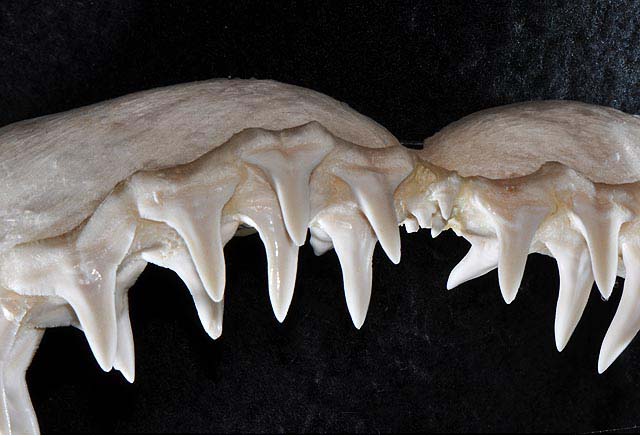
Lemon sharks have a broad, flattened head and relatively short snout. Their teeth are sharp and designed to grasp slippery prey rather than crush hard shells. A useful way to learn more about their coloration is to follow references on their appearance, for example yellow coloration. Distinguishing features include a robust body, dorsally placed eyes, and a pale, off-white belly that contrasts with the back.
Range, habitat and behavior
These sharks are most often found in warm, shallow coastal waters of the western Atlantic—from the southeastern United States and the Caribbean to parts of South America—and in similar tropical seas elsewhere. They commonly use mangrove estuaries, seagrass beds, and coral reef edges, where juveniles find shelter. Lemon sharks are known for site fidelity: many individuals remain in a localized area for long periods. They may be observed alone or in loose groups, often moving slowly along the bottom.
Diet and feeding
Lemon sharks feed mainly on bony fishes, small rays, crustaceans and cephalopods. Their teeth and powerful jaws are adapted to seize and hold active, slippery prey rather than crush armored organisms. For a general overview of their feeding structures and prey choices see teeth and diet or resources discussing coastal predatory fishes such as prey fish. They hunt by slowly approaching and then striking, often at night or in low light when their coloration offers camouflage.
Reproduction and life history
Lemon sharks are viviparous: embryos develop inside the mother and are born as fully formed young. Females typically return to protected nursery areas such as mangrove lagoons to give birth, which helps juveniles avoid larger predators. Litters consist of multiple pups and the species matures relatively slowly compared with many smaller fishes, making populations vulnerable to overexploitation.
Human interactions and conservation
Although not among the most dangerous sharks to humans and seldom aggressive without provocation, lemon sharks can bite when disturbed. They are of interest to ecotourism and scientific research because of their predictable behavior and use of coastal nurseries. Conservation concerns include habitat loss (especially mangrove destruction), bycatch, and targeted fisheries. Conservation assessments and local protections aim to reduce fishing pressure and preserve nursery habitats to sustain populations.
- Scientific name: Negaprion brevirostris
- Typical size: around 8–10 feet as adults
- Habitat: warm, shallow coastal waters, mangroves, reefs
- Reproduction: viviparous with nursery site use
Because lemon sharks play a role as mid-level predators, they help maintain the balance of coastal ecosystems. Continued research and habitat protection are important for their long-term survival and for the health of the marine environments they inhabit.
Questions and answers
Q: What is a Lemon shark?
A: A Lemon shark is a type of shark that has a deep yellow back and is usually eight to ten feet long.
Q: How did the Lemon shark get its name?
A: The Lemon shark gets its name from its distinctive deep yellow back.
Q: What is the color of Lemon shark's belly?
A: The belly of a Lemon shark is off-white in color.
Q: What are Lemon sharks commonly used for?
A: Lemon sharks are not commonly used for anything, but they do have long, sharp teeth for catching slippery fish.
Q: Where are Lemon sharks usually found?
A: Lemon sharks are commonly found on the southeast coast of the United States of America.
Q: How long can a Lemon shark typically grow to be?
A: A Lemon shark can typically grow to be eight to ten feet long.
Q: What is the Lemon shark's primary hunting technique?
A: Lemon sharks use their long, sharp teeth to catch slippery fish as their primary hunting technique.
Related articles
Author
AlegsaOnline.com Lemon shark (Negaprion brevirostris) Leandro Alegsa
URL: https://en.alegsaonline.com/art/57104
Sources
- flmnh.ufl.edu : "FLMNH Ichthyology Department: Lemon Shark"
- eol.org : "Facts about Lemon Shark (Negaprion brevirostris)-Encyclopedia of Life"
- bioexpedition.com : "Lemon Shark-Animal Facts and Information"
- the-shark-side-of-life.com : "Lemon Shark Facts |Shark Breed Info |Types Of Sharks"