
Therapy: medical and psychological treatments, types and uses
Comprehensive overview of therapy: meanings, common types (medical, psychological, physical), how therapies are delivered, history, benefits, risks, and distinctions from diagnosis and care.
Overview
Therapy refers to interventions intended to treat, manage, or alleviate health problems, whether physical or mental. In clinical settings a diagnosis often precedes therapy so that the chosen approach matches the condition. Therapies span from pharmacological or surgical procedures to behavioral and rehabilitative methods. The word is used broadly: a doctor may recommend a drug or operation, while a psychologist or counselor offers talk-based therapies. See a general definition at professional guidance.
Image gallery
1 Image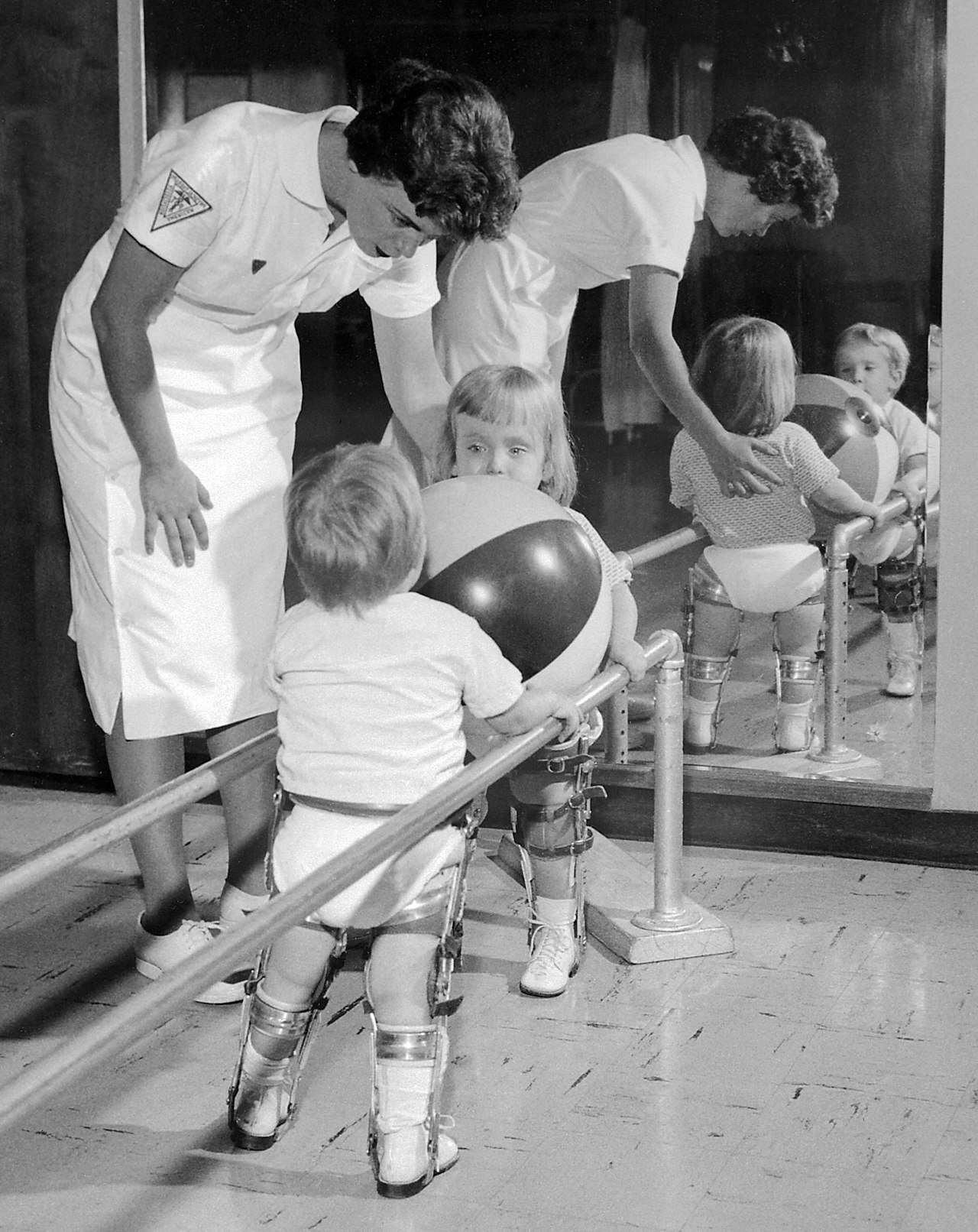
Common types and components
Major categories include:
- Pharmacotherapy — use of medications to alter biological processes, often prescribed by medical doctors; more information can be found via drug therapy resources.
- Surgical and procedural therapy — operations and minimally invasive procedures to remove, repair, or replace tissue; described in clinical practice materials such as surgical guides.
- Psychotherapy — structured conversations and psychological techniques to address mental health, commonly delivered by psychologists, psychiatrists or licensed therapists; overview at psychotherapy outlines.
- Rehabilitative and allied therapies — physical therapy, occupational therapy, speech therapy and others that restore function and independence; see educational resources at rehabilitation services.
- Complementary and lifestyle interventions — diet, exercise, sleep hygiene and some complementary approaches used alongside standard care; described in patient guidance like lifestyle guidance.
History and development
Therapeutic practices evolved from ancient remedies and rituals to evidence-based medicine. Over centuries, the shift toward scientific methods introduced controlled trials, standardized protocols and disciplines such as psychiatry and rehabilitation medicine. Modern therapy increasingly emphasizes multidisciplinary care and measurable outcomes.
How therapy is delivered and evaluated
Therapy can occur in hospitals, clinics, community centers, schools or at home. Delivery often involves a team: physicians, therapists, nurses and allied professionals collaborate. Effectiveness is evaluated by symptom change, functional improvement and quality-of-life measures; evidence-based practice draws on clinical trials and clinical guidelines accessible through sources such as professional standards.
Benefits, risks and distinctions
Therapies can relieve symptoms, cure disease, slow progression or improve function, but most carry risks such as side effects, complications or limited effectiveness. Important distinctions: diagnosis identifies a problem; therapy is the action taken to treat it. Also, counseling or supportive care differs from active medical treatments though they may overlap.
Understanding options, expected outcomes and potential harms helps patients and clinicians choose appropriate therapies and set realistic goals.
Related articles
Author
AlegsaOnline.com Therapy: medical and psychological treatments, types and uses Leandro Alegsa
URL: https://en.alegsaonline.com/art/99275
Sources
- alternativehub.org : "Physical therapist Jobs"