
Baguette — the long French loaf
A baguette is a long, thin loaf of French bread with a crisp crust and soft interior. This article covers its features, traditional ingredients, history, common uses and variations.
The baguette is a long, narrow loaf of bread closely associated with French baking. Visually distinctive for its elongated shape and scored surface, the baguette has a crisp exterior and a tender, aerated interior often described as a soft crumb. Although most closely identified with France, the baguette is now produced and enjoyed in many countries and in a range of culinary contexts. For general context see bread.
Image gallery
6 Images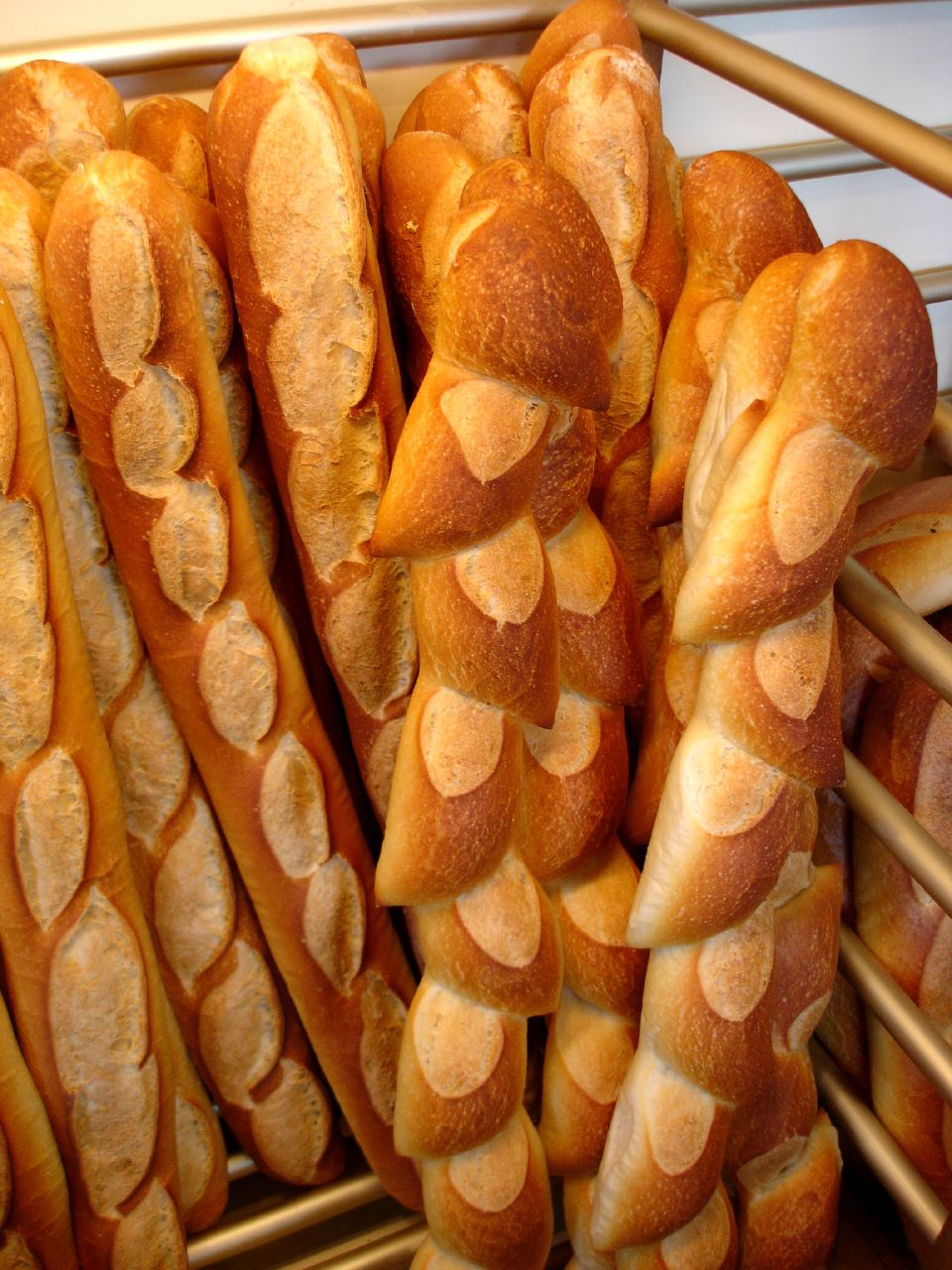


Characteristics and composition
Typical baguettes are slender and light: their width and height are modest compared with other loaves, and lengths commonly exceed half a metre. The exterior develops a brown, crunchy crust through high-heat baking and steam in the oven, while the inside remains pale and soft. Traditional formulations rely on a few basic ingredients: flour, water, yeast and salt. These elements are mixed, rested, shaped into long loaves, scored with shallow slashes to control expansion, and baked until the crust is crisp.
History and cultural background
The precise origin of the baguette is debated among historians, but it emerged from French baking practices that emphasized long loaves suitable for fast, everyday consumption. The word baguette means "wand" or "stick" in French and reflects its shape. The baguette is closely tied to French culinary identity and daily life in France, where it is common to buy fresh loaves from local bakeries each day.
Uses, serving and variations
Baguettes are eaten plain, sliced for sandwiches, or torn and used to accompany soups, salads and cheeses. A classic French sandwich is the simple ham-and-butter jambon-beurre made with a split baguette. They are also commonly dipped in olive oil, spread with butter, or served with pâté. Variants include thinner "ficelle" loaves, shorter "bâtard" shapes, and versions made with whole grain or additional ingredients; industrially produced baguettes may use additives for shelf life, while artisanal bakeries stick to traditional recipes.
Notable facts and distinctions
- Shape and texture: the long form and crisp crust distinguish the baguette from round or compact loaves.
- Ingredients: traditional practice—and many regional regulations—limit basic baguette recipes to the core four ingredients listed above.
- Cultural role: the baguette is both a daily staple and a symbol of culinary tradition in French-speaking regions and beyond.
Questions and answers
Q: What is a baguette?
A: A baguette is a long, thin loaf of bread that is popular in France and now common in many other countries.
Q: What is a baguette typically made out of?
A: Baguettes are typically made of white bread.
Q: What is the texture of a baguette like?
A: Baguettes usually have a hard crust on the outside but soft white bread on the inside.
Q: What are the French traditions regarding bread?
A: According to French traditions, bread may only contain flour, water, yeast, and salt. Anything containing more than those things must not be called bread.
Q: What are the dimensions of a typical baguette?
A: A baguette is about 5-6 cm wide, 3 to 4 cm high, and about 65 cm long.
Q: How much does a typical baguette weigh?
A: A typical baguette usually weighs about 250 grams.
Q: What is common to do when eating a baguette?
A: It is common to dip the bread into olive oil when it is eaten.
Related articles
Author
AlegsaOnline.com Baguette — the long French loaf Leandro Alegsa
URL: https://en.alegsaonline.com/art/8307
Sources
- answers.com : "baguette: Definition from Answers.com"
- foodtimeline.org : "Food timeline: history of bread"
- francethisway.com : "French bread and french baguette - food from france"