
Leek — a mild Allium vegetable (Allium ampeloprasum var. porrum)
Leek is a long-stalked, mild-flavored vegetable in the Allium family, widely cultivated for its white shaft and green leaves and used in soups, stews, sautés and stocks.
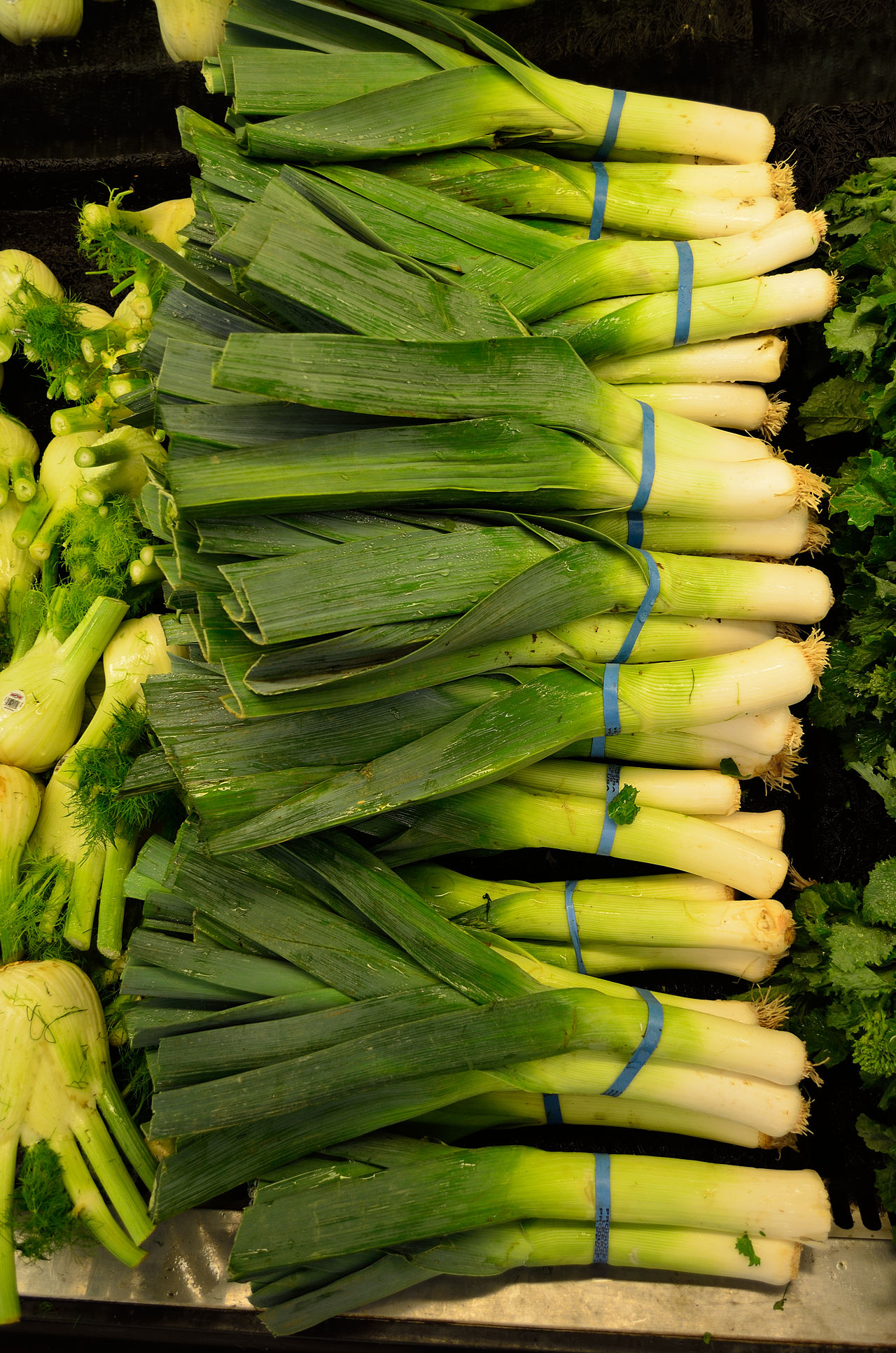
Leek is a long-stemmed edible plant grown for its mild, onion-like flavor and crisp white shaft. It is commonly regarded as a vegetable and is eaten around the world in both home kitchens and professional cooking. Leeks are valued for their delicate aroma, versatility, and ability to flavor dishes without the sharp intensity of raw onion or garlic.
Image gallery
10 Images




Botany and appearance
Leeks belong to the genus Allium, the same botanical group that also includes the onion and garlic. The cultivated leek is usually a variety of Allium ampeloprasum, grown for an elongated, cylindrical white stem (the blanched portion) and flat green leaves. The edible portion is produced by hilling or blanching, which creates the tender pale shaft; the dark green leaves are tougher but can be used for stocks and flavoring.
History and cultural notes
Leeks have been cultivated for centuries, with a long history in Mediterranean and northern European agriculture. They appear in traditional cuisines across Europe and parts of Asia and are associated with cultural symbols in some regions; for example, the leek is traditionally connected with national emblems and folklore in Wales. Over time, selective breeding produced varieties with differing sizes, color, and cold tolerance.
Growing and cultivation
Leeks are generally started from seed and transplanted or grown in trenches to encourage the formation of a long, blanched stem. They prefer fertile, well-drained soil and even moisture. Typical cropping times vary by climate and variety, often taking roughly 100–120 days from sowing to harvest for many garden types. Common cultivation techniques include planting densely, earthing up soil or using tubes to keep the lower stems pale, and maintaining regular watering to avoid split or woody stems.
Culinary uses and preparation
Leeks are used in a wide range of dishes. The tender white and light-green parts are prized for soups (classic examples include leek and potato preparations and cream-based vichyssoise), braises, sautés, tarts, and stocks. They pair well with potatoes, cream, bacon, fish, and other mild-flavored ingredients. Darker green leaves are excellent for making flavorful stock or bouquet garni but are often discarded when serving for texture reasons.
Practical considerations
- Storage: Leeks keep best untrimmed in a cool, humid place or refrigerated crisper for up to a couple of weeks.
- Flavor and substitution: They offer a milder, sweeter taste than many onions; small spring onions or shallots can sometimes substitute when a leek’s shape is not required.
- Pests and rotation: As an Allium, leeks can share pests and diseases with onions and garlic; gardeners often rotate crops and manage soil health to reduce problems.
Because of their gentle flavor and flexible uses, leeks are a staple in many seasonal menus and household pantries. They contribute both texture and a subtle aromatic base to cooking, while also offering modest nutritional benefits such as fiber and various vitamins.
Related articles
Author
AlegsaOnline.com Leek — a mild Allium vegetable (Allium ampeloprasum var. porrum) Leandro Alegsa
URL: https://en.alegsaonline.com/art/56927