
Lemon balm (Melissa officinalis): description, cultivation, and uses
Lemon balm (Melissa officinalis) is a lemon‑scented perennial herb in the mint family, valued for culinary, aromatic and traditional medicinal uses. It is native to the Mediterranean and attracts bees.
Overview
Lemon balm, botanical name Melissa officinalis, is a fragrant perennial herb historically grown for its pleasant citrus aroma and mild flavor. It belongs to the mint group and is commonly cultivated in herb gardens, both for domestic use and small‑scale commercial production. The plant is noted for its calming scent and the role it plays in attracting pollinators.
Image gallery
5 Images


Description and chemistry
Lemon balm is a bushy perennial that typically reaches 70–150 cm in height. Its soft, opposite leaves are green and slightly wrinkled; they release a lemonlike fragrance when crushed. In botanical sources the plant is described as a perennial herb of the mint group and is classified in the Lamiaceae family. It is native to southern Europe and the broader Mediterranean region.
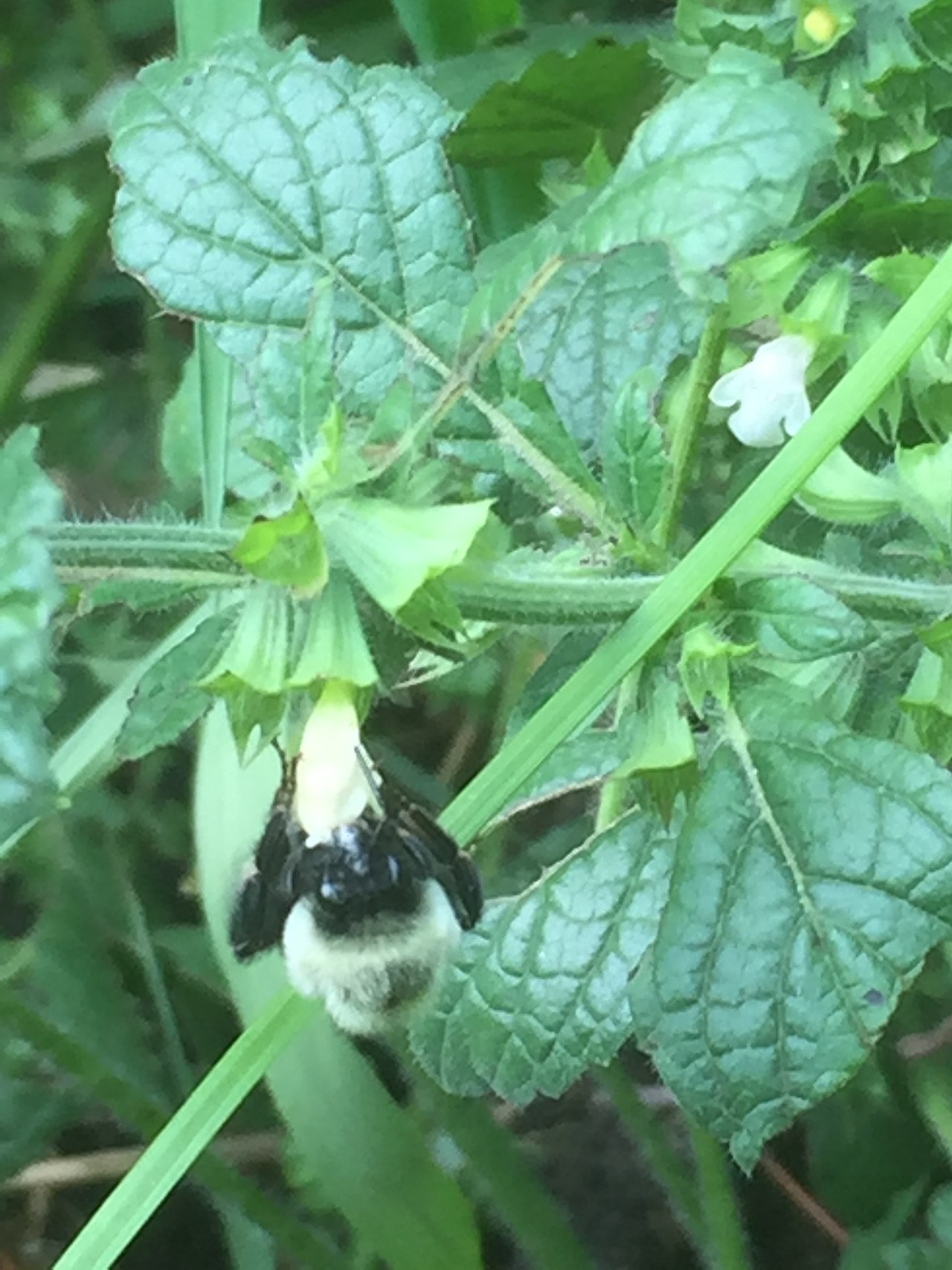
The characteristic scent and flavor come from a mix of volatile terpenes and other compounds. Common constituents include citronellal, citronellol, citral and geraniol, along with non‑volatile phenolic compounds such as rosmarinic acid. The plant produces small, pale flowers late in the growing season; the leaves are the main harvested part, while the lemon aroma is the primary attractive feature. When in bloom, tiny white flowers or pale pink blooms appear and attract bees, making lemon balm useful for pollinator‑friendly plantings.
Cultivation and varieties
Lemon balm is adaptable and easy to grow in well‑drained soil and a position with full sun or partial shade. It spreads by rhizomes and seed; gardeners often manage it by cutting back after flowering to renew growth and prevent excessive spreading. Several garden selections emphasize stronger aroma, compact habit, or variegated foliage, but all share the typical lemon fragrance.
Uses and importance
Lemon balm is used in several ways:
- As a culinary herb: fresh or dried leaves flavor teas, salads, marinades and desserts.
- Aromatic uses: crushed leaves and essential oils provide lemon scent for potpourri and perfumery.
- Traditional remedies: employed in folk medicine for mild digestive complaints, sleeplessness and relaxation; modern research has explored some of these uses but results vary.
- Ecological value: flowers supply nectar for bees and other pollinators, and the plant can be included in pollinator gardens.
History and notable facts
Historically cultivated in Europe and the Mediterranean, lemon balm has a long tradition in herb lore and domestic gardens. Its genus name, Melissa, is derived from the Greek word for "bee," reflecting the plant's attraction to bees. While widely regarded as safe when used as a flavoring or tea ingredient, commercial products such as concentrated extracts and essential oils should be used according to guidance on labels. For practical growing advice or further botanical details, see additional resources and horticultural guides.
For more information, consult specialized horticulture and herb compendia or trusted online plant databases (perennial herb, mint family, Lamiaceae, southern Europe, Mediterranean region, leaves, lemon scent, flowers, bees).
Related articles
Author
AlegsaOnline.com Lemon balm (Melissa officinalis): description, cultivation, and uses Leandro Alegsa
URL: https://en.alegsaonline.com/art/57101