
Lemon verbena (Aloysia citrodora): description, uses, cultivation and history
Lemon verbena (Aloysia citrodora) is a fragrant South American shrub used for tea, cooking and perfumes; valued for lemon-scented leaves, small pale flowers, and easy propagation.
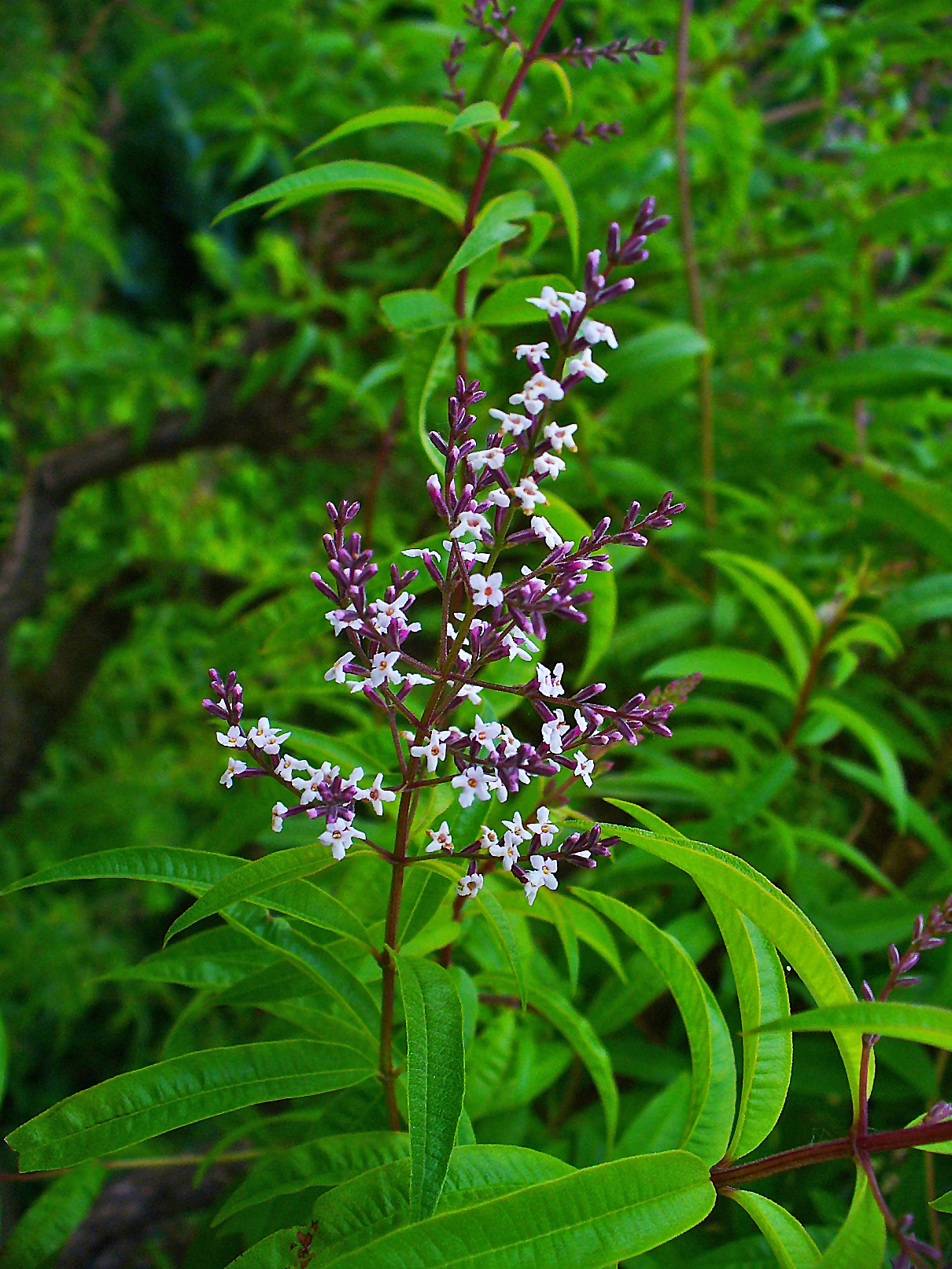
Lemon verbena (Aloysia citrodora, often cited as Aloysia triphylla) is a deciduous or semi-evergreen shrub in the verbena family. It is best known for its intensely lemon-scented leaves, which release a citrus aroma when crushed. The plant produces delicate clusters of tiny flowers in late summer that may appear white or pale purple and attract pollinators.
Image gallery
3 Images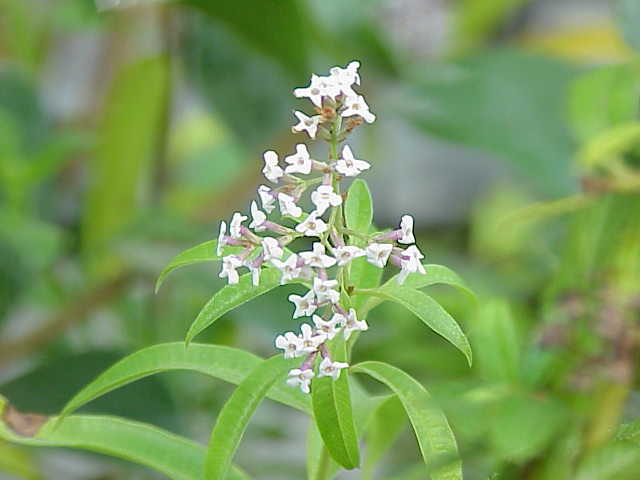
Characteristics
Lemon verbena typically grows as a multi-stemmed shrub with long, narrow, lance-shaped leaves and an open branching habit. Mature height commonly ranges from about one to three metres, depending on climate and pruning. The foliage contains aromatic compounds such as citral that give it a bright citrus scent. Flowers form in slender spikes and are small and inconspicuous compared with the foliage.
Origin and history
The species is native to parts of South America, where it has been used traditionally for its fragrance and as a herbal remedy. It was brought to Europe and cultivated widely during the 18th and 19th centuries as a garden and kitchen herb. Over time it gained popularity in temperate gardens and in potted culture for patios and conservatories.
Uses and importance
Lemon verbena is commonly used in several ways:
- Tea and infusions: Fresh or dried leaves steeped for a fragrant, lemony tisane.
- Culinary: Flavoring for desserts, syrups, marinades and salads.
- Aromatics and perfumery: Leaf extracts and essential oil provide citrus notes.
- Traditional remedies: Employed historically as a mild digestive aid and relaxant in folk practice (use cautiously and consult health advice when needed).
In gardens it is valued for scent, for attracting bees and beneficial insects, and for use as an ornamental hedge or specimen. The leaves dry well and retain aroma, making them useful year-round.
Cultivation and distinctions
Lemon verbena prefers full sun and well-drained soil, and it is sensitive to hard frost; in colder regions it is commonly grown in containers and overwintered indoors. Propagation is usually by semi-ripe cuttings or by seed. It is distinct from other lemon-scented herbs such as lemon balm (Melissa officinalis) and citronella; the flavors and botanical relations differ. For more on the plant family see verbena family, and for notes on flower colour see discussions of purple-flowering varieties and white-flowering forms.
Common vernacular names include lemon verbena, lemon beebrush and cedrón (Spanish). When growing, avoid overwatering to prevent root rot and prune after flowering to maintain shape and vigor.
Related articles
Author
AlegsaOnline.com Lemon verbena (Aloysia citrodora): description, uses, cultivation and history Leandro Alegsa
URL: https://en.alegsaonline.com/art/57105
Sources
- ars-grin.gov : "Aloysia citrodora Palau"
- cat.inist.fr : abstract