
Sassafras
Sassafras is a small genus of aromatic deciduous trees in the laurel family, native to eastern North America and eastern Asia, known for distinctive leaves, culinary use, and an essential oil containing safrole.
Overview
Sassafras is a small genus in the family Lauraceae consisting of three living species and at least one known extinct species. These deciduous trees are valued for their aromatic bark and leaves, unusual leaf shapes, and a long history of use by indigenous peoples and later settlers. They occur naturally in eastern North America and parts of eastern Asia.
Image gallery
6 Images




Characteristics
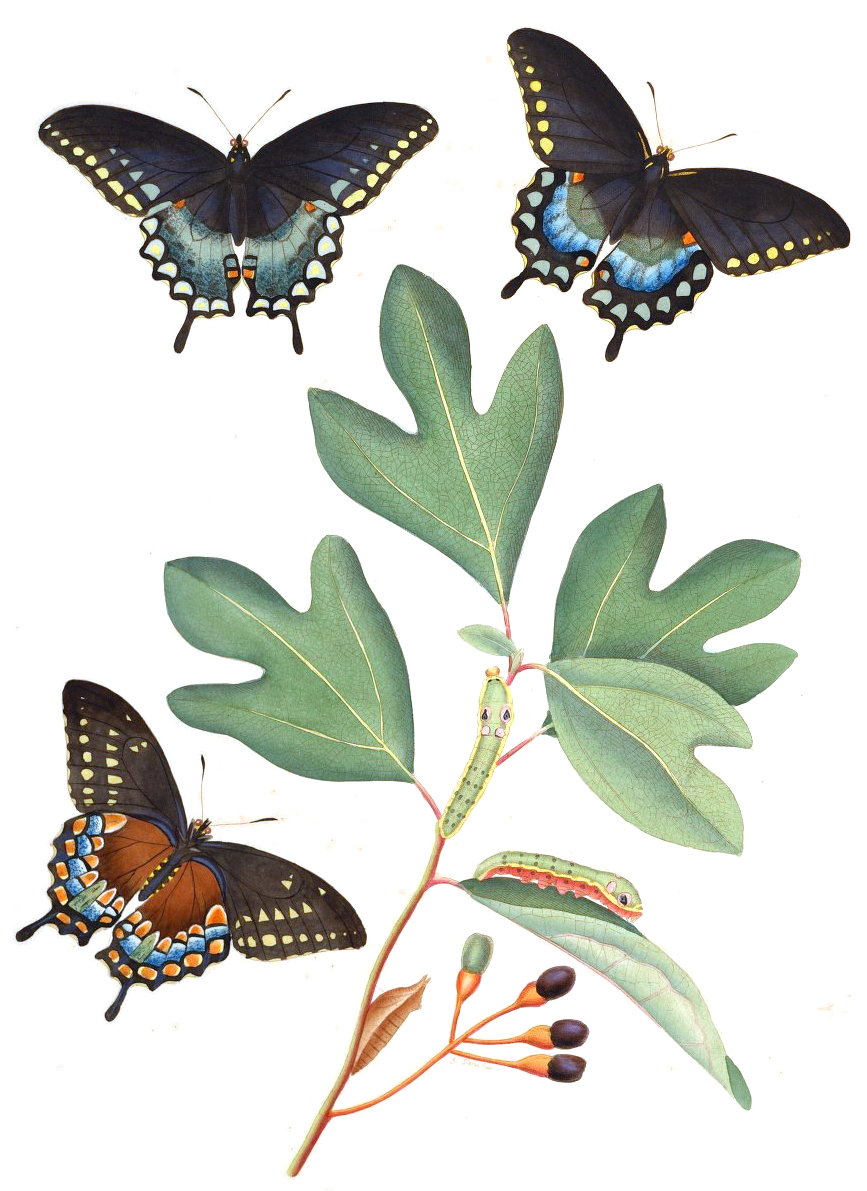
Sassafras trees typically reach medium size, with trunks that can develop relatively broad girths. Leaves are notable for polymorphism: a single tree can bear unlobed, two-lobed, and three-lobed leaves. The wood and all green parts emit a warm, spicy scent due to volatile oils. Flowers are small and insect-pollinated; fruit are fleshy drupes eaten and dispersed by birds. Many individuals reproduce both by seed and by root sprouting.
Species and origins
The best-known North American species is Sassafras albidum. East Asian representatives include Sassafras tzumu and Sassafras randaiense. Fossil evidence shows related forms in prehistoric floras, and botanists such as Nicolas Monardes documented the plant in the 16th century. The genus name may derive from Spanish usage or be a corruption of terms for other herbs; the precise etymology is uncertain but often linked to early European accounts and trade names (Spanish sources).
Uses and cultural importance
Sassafras has a varied cultural history. Indigenous peoples used teas and poultices made from the bark and leaves for medicinal purposes. Colonists adopted it as a flavoring and a tea substitute. Leaves of Sassafras albidum are dried and ground into filé powder, a traditional Creole thickener and flavoring. The aromatic root bark was once a source of flavor for traditional root beer and other beverages, although commercial formulations have changed.
Safety, regulation, and notable facts
The essential oil of sassafras contains safrole, a compound that has been found to be harmful in large doses and is restricted as a food additive in many countries. Because of this, commercial beverages no longer use natural sassafras oil; artificial flavors or safrole-free extracts are used instead. Sassafras should not be confused with sarsaparilla or unrelated aromatic plants, and identification by leaf shape and bark aroma is recommended for foragers.
Ecology and cultivation
Sassafras species often act as pioneer plants in disturbed ground and can form thickets through root sprouts. They provide food and cover for wildlife—birds eat the fruit while caterpillars and other insects use the leaves. Cultivation is straightforward in temperate climates with well-drained soils; they are planted as ornamentals for their fall color and distinctive foliage. For further botanical and horticultural resources see species lists and general tree guides (genus overview, leaf morphology, Asian species, North American range, historical accounts, etymology notes).
Questions and answers
Q: What is Sassafras?
A: Sassafras is a genus that contains three current and one extinct species of deciduous trees in the family Lauraceae.
Q: Where was Sassafras originally found?
A: Sassafras was originally found in eastern North America and eastern Asia.
Q: How tall can Sassafras trees grow?
A: Sassafras trees can grow from 9.1–18 m (30–59 ft) tall.
Q: Who named Sassafras?
A: Sassafras was named by the botanist Nicolas Monardes in the 16th century.
Q: What does the name Sassafras mean?
A: The name Sassafras is said to be a corruption of the Spanish word for saxifrage.
Q: What family does Sassafras belong to?
A: Sassafras belongs to the family Lauraceae.
Q: How wide can Sassafras trees grow?
A: Sassafras trees can grow from 7.6–12 m (25–39 ft) wide.
Related articles
Author
AlegsaOnline.com Sassafras Leandro Alegsa
URL: https://en.alegsaonline.com/art/87422
Sources
- efloras.org : Sassafras
- doi.org : 10.1007/s00606-007-0550-1