
Lard
Rendered pig fat used in cooking and baking; overview of production, types (leaf vs. common), culinary uses, history, storage, and comparisons with butter, tallow, and vegetable shortenings.
Overview
Lard is the rendered fat of the pig, produced by slowly melting and straining fatty tissue. As an ingredient it functions as a cooking fat, frying medium and pastry shortening. The term traditionally covers household and commercial products made from different pig fat sources and processing methods. Many traditional cuisines relied on it as a primary cooking fat, and it remains valued by some professional cooks and bakers today for its properties in both savory and sweet preparations. It was historically used in the same roles as modern vegetable shortenings and spreads like butter.
Image gallery
9 Images




Production and types
Lard is produced by rendering pig pig fat—usually backfat, belly trimmings or the prized 'leaf lard' taken from around the kidneys. Rendering can be done with dry heat or a low simmer in water (wet rendering), then strained and clarified. Different methods and degrees of refinement yield products with varying flavor and shelf life: leaf lard is lighter and nearly neutral in taste and preferred for pastries, while less-refined lard retains more pork flavor and aroma.
Culinary properties and uses
Lard has a smooth texture and contributes flakiness and tenderness to pie crusts and laminated doughs; many bakers prefer it for biscuits and crusts because it creates discrete layers. It also has a relatively high smoke point and can be used for sautéing and frying. Typical uses include producing flaky pastry, frying doughnuts and fritters, roasting vegetables, and traditional preparations such as confit or certain regional dishes. In some regions lard is spread or used in place of vegetable shortening or cooking oils.
History and cultural role
Before the widespread availability of industrial vegetable shortenings and refined oils, lard was a common household fat in Europe, the Americas and parts of Asia. Its popularity declined in the 20th century due to changing health advice and the introduction of hydrogenated vegetable fats, but it has seen a revival among artisanal bakers and cooks seeking traditional texture and flavor. Cultural preferences and religious dietary laws affect its use: lard is not acceptable in kosher or halal diets, so alternatives are used in those communities.
Storage, composition, and distinctions
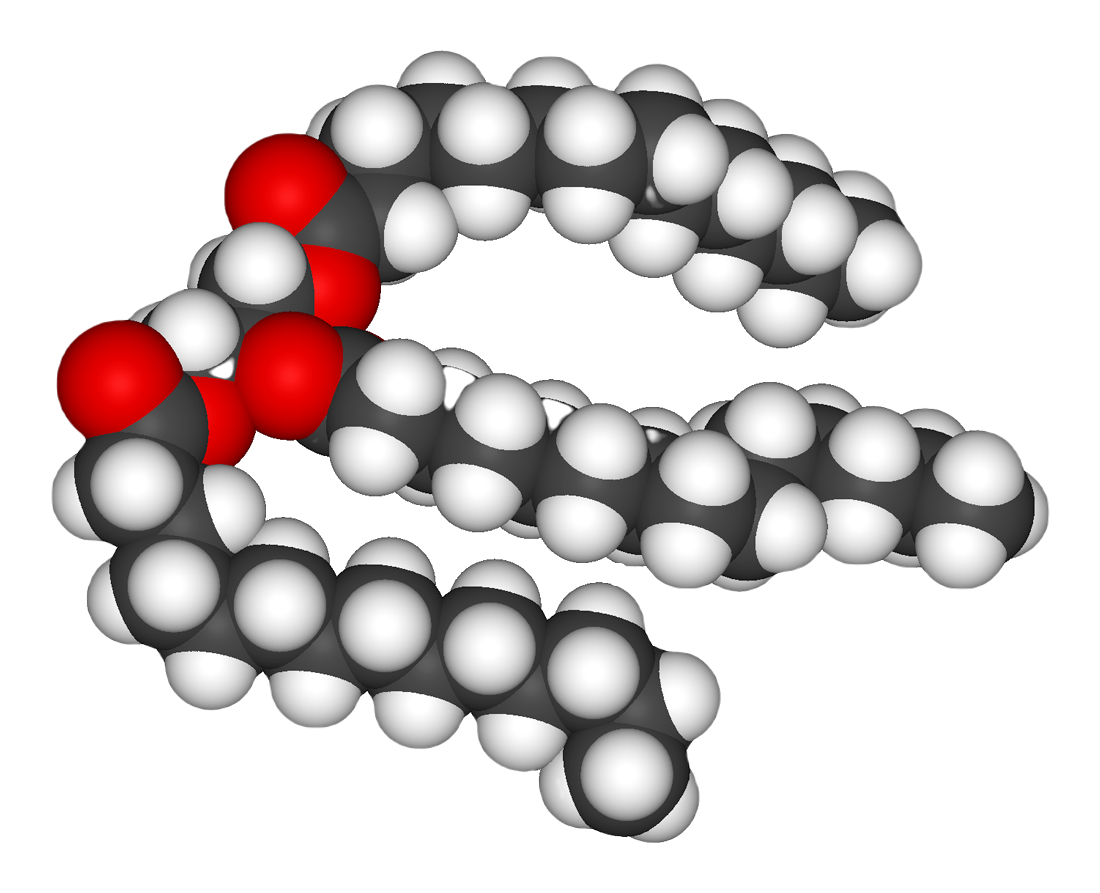
Rendered lard keeps for weeks when refrigerated and can be frozen for longer storage; commercial, hydrogenated or partially hydrogenated products differ from freshly rendered home lard. Nutritionally it contains a mix of saturated, monounsaturated (notably oleic acid) and polyunsaturated fats; comparisons with butter, tallow (beef fat), and vegetable shortenings center on flavor, melting behavior and culinary performance rather than simplistic health claims. For historical recipes or specific techniques many cooks still choose lard for its functional qualities and heritage role.
Quick facts and examples
- Preferred for flaky pie crusts and tender biscuits.
- Leaf lard is the finest grade for pastry work.
- Used in traditional preparations across Mexican, British, American Southern and some Asian cuisines; it once served as a household staple.
- Not suitable for diets avoiding pork.
For practical guides on rendering and recipes that use lard, consult culinary resources or historical cooking texts. Contemporary discussions also address sourcing, sustainability and how traditional fats fit into modern diets—topics covered in many food and culinary reference sites referenced elsewhere: pig fat sources, rendering techniques, cooking applications, and comparisons with regional fats and commercial shortenings and spreads like butter.
Related articles
Author
AlegsaOnline.com Lard Leandro Alegsa
URL: https://en.alegsaonline.com/art/56019