
Lake Washington
Freshwater lake east of Seattle, bordering Bellevue, Kirkland and other communities; noted for floating bridges, urban history, recreation and changes from early 20th-century waterway engineering.
Lake Washington is a large freshwater lake adjacent to the city of Seattle in the U.S. state of Washington. The lake lies along an urban corridor and touches several cities and suburbs. It reaches a maximum depth of about 210 feet (approximately 64 m) and sits roughly 21 feet above sea level. The water is fresh rather than saline, and the lake supports recreational and ecological uses that are managed under state and local rules.
Image gallery
7 Images
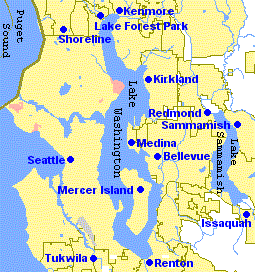


Location and neighbouring communities
The shoreline includes a mix of residential neighborhoods, parks and municipal shorelines. Notable communities on or near the lake are listed below:
- Seattle (west shore)
- Bothell and north-end suburbs
- Kirkland and Bellevue (east shore)
- Renton (south shore)
- Mercer Island (located toward the southern basin)
Hydrology and water connections
Lake Washington receives water from tributary rivers and small streams and drains through engineered waterways into Puget Sound. Human modifications in the early 20th century changed the lake's natural outflow and level, which altered nearby rivers and wetlands. These connections allow fish and boat traffic to move between the lake and other waterways under managed conditions.
History and human impact
The basin was long inhabited by Indigenous peoples before European-American settlement. As the region urbanized, the lake became important for transport, logging and later for suburban development. Major engineering projects around the lake affected levels, shorelines and river systems; subsequent municipal investments focused on sewage treatment and shoreline management to improve water quality.
Ecology, recreation and fishing
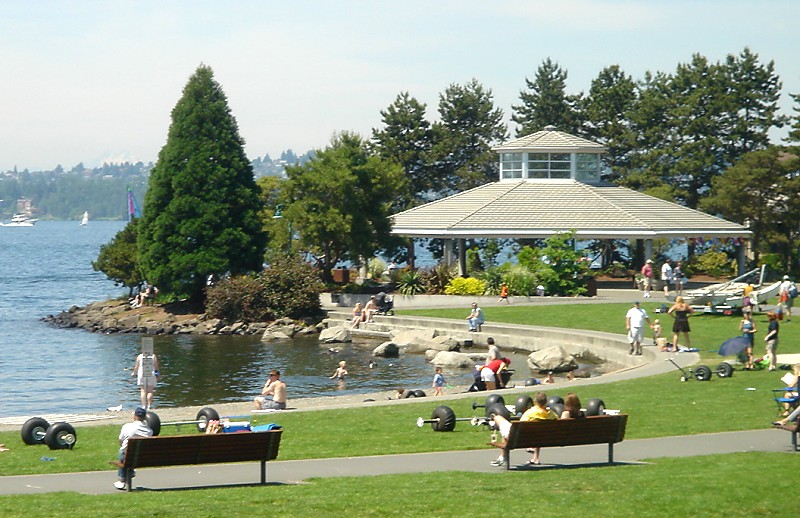
Lake Washington supports a variety of aquatic life and is used for boating, paddling, swimming and shoreline parks. Fish species move through the lake and connected rivers; salmon runs occur in tributaries and access is managed. Angling is allowed under state regulations, but seasons and methods are restricted in order to protect migrating salmon and other fish — for details see local fishing rules and advisories (fishing regulations). The lake is a freshwater resource (fresh water) valued for both habitat and recreation.
Transportation and notable features
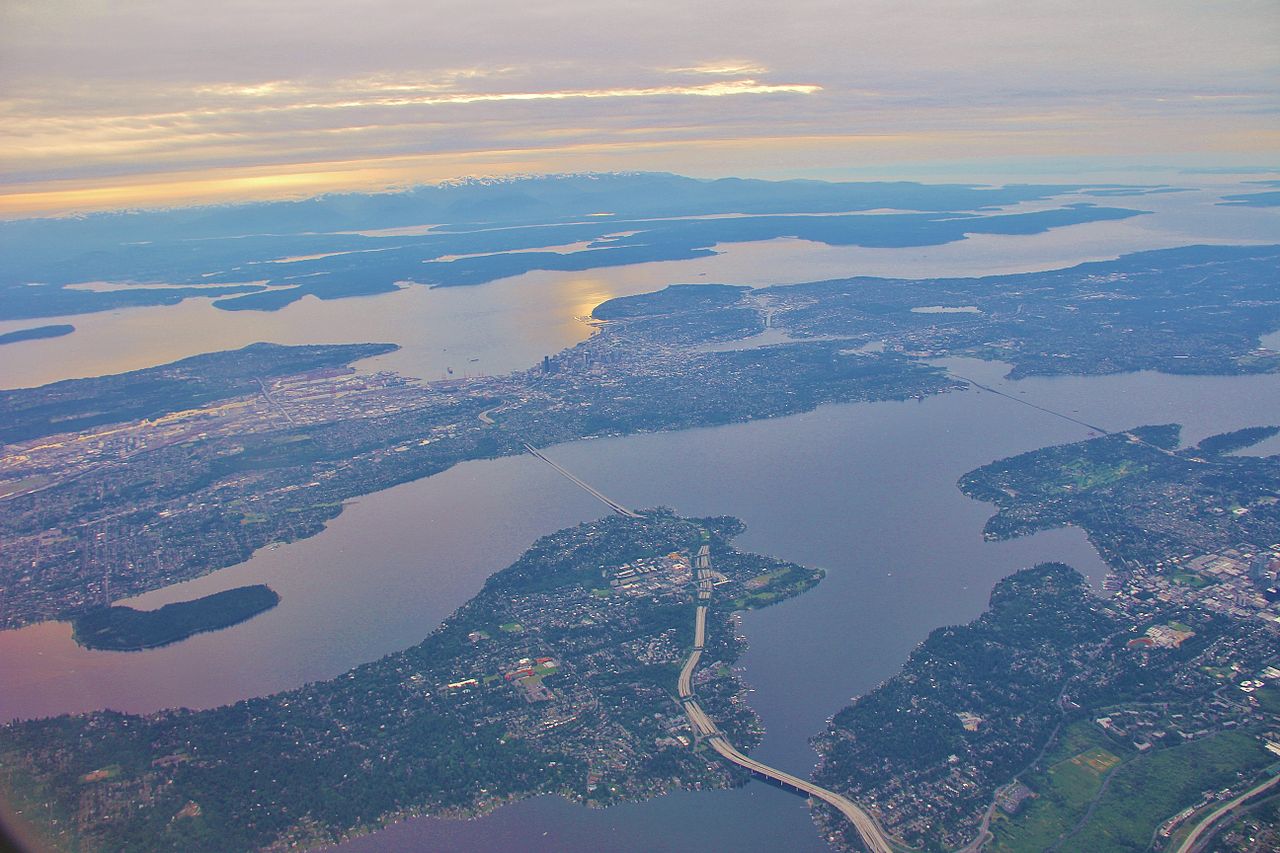
Several major highways cross Lake Washington on floating bridges — an engineering response to deep, soft lakebed conditions. These crossings connect the eastside suburbs with Seattle and are key commuter routes. The lake's urban setting, combined with its islands and parks, makes it a prominent geographic and cultural feature of the greater metropolitan area. For maps and further visitor information see general resources (Lake Washington overview) and regional guides (local fish and wildlife, municipal pages, park information, transportation details).
Related articles
Author
AlegsaOnline.com Lake Washington Leandro Alegsa
URL: https://en.alegsaonline.com/art/55589