
Lake Zug (Zugersee): geography, ecology and human use
Lake Zug (Zugersee) is a Swiss foothills lake north of Lake Lucerne, known for its scenic shores, rail links, fishing (including the local 'Rolheli' trout) and ongoing water-quality management.
Overview
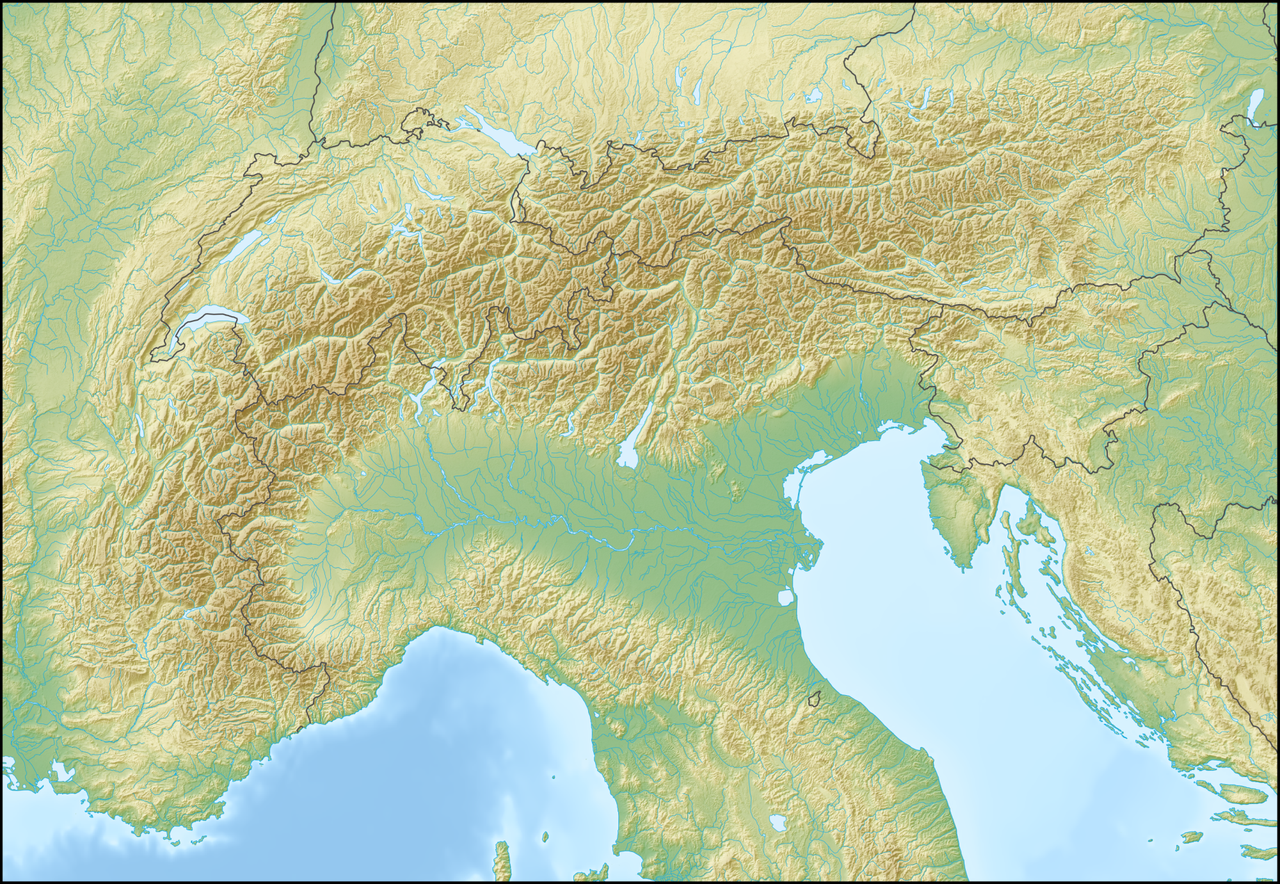
Lake Zug, known in German as Zugersee, lies in central Switzerland on the northern fringe of the Alps. It sits north of Lake Lucerne and occupies a valley basin shaped by past glacial action. The lake receives inflow from smaller mountain streams and rivers, and its waters drain towards larger river systems that cross the Swiss plateau.
Image gallery
10 Images



Geography and hydrology
The main tributaries are the Aa, which descends from the Rigi massif and enters the southern end of the lake, and the Lorze, which flows into the northern shore. Most of the shoreline lies within the Canton of Zug, but the southern extremity extends into the Canton of Schwyz area and a narrow sector near Immensee belongs to the Canton of Lucerne. The landscape around the lake varies: the northern shore is generally low and level, while wooded promontories—most notably Buonas with its historic castles—project into the water along the western side.
Settlements and transport
The principal town on the lake is Zug, an economic and cultural centre with panoramic views over the water. Railways run close to the shoreline and connect the basin with major routes: one line links Zürich via Zug and Arth-Goldau to the St. Gotthard axis, another links Lucerne through Arth-Goldau towards the south, and additional regional services run between Zürich, Zug and Lucerne. These connections make the lake readily accessible for commuters and visitors.
Ecology and fisheries
Lake Zug supports a variety of freshwater fish; anglers take species such as pike and carp as well as whitefish and perch. The lake is also noted for a locally distinctive char commonly called Rolheli, related to the Arctic char group. Fishing has cultural and recreational importance for local communities, though catches and practices are regulated to conserve populations.
Environmental issues and management
Like many midland lakes, Lake Zug has been influenced by human activity. Nutrient runoff from agriculture and urban areas has affected water clarity and contributed to occasional algal growth. Local and cantonal authorities monitor water quality and pursue measures to reduce nutrient inputs, improve wastewater treatment and protect shoreline habitats. Ongoing management aims to balance recreation, fisheries and ecological integrity.
Uses and significance
- Recreation: boating, swimming in designated areas, and lakeside promenades draw residents and tourists.
- Transport: rail and road links make the lake corridor an important transit and commuter zone.
- Culture and heritage: lakeside towns and historic sites such as Buonas castles contribute to regional identity.
- Nature conservation: efforts focus on maintaining habitats for native fish and waterbirds.
Visitors wishing to learn more about current water conditions, fishing regulations or guided excursions can consult regional information and transport services. For background reading about the lake's landscape and history, local museums and cantonal publications provide further context and archival material.
Zugersee | Switzerland | lakes | Alps | Lake Lucerne | Lorze | Canton of Zug | Canton of Lucerne | Zug | Lucerne | pike and carp | Rolheli
Questions and answers
Q: What is Lake Zug?
A: Lake Zug is one of the lesser known Swiss lakes, located on the outskirts of the Alps and north of Lake Lucerne.
Q: What feeds Lake Zug?
A: The lake is fed by the Aa, which descends from the Rigi and enters the south end of the lake, and the Lorze, which feeds the lake at the northern shore.
Q: Which cantons does Lake Zug belong to?
A: For the most part, the lake is in the Canton of Zug, but the southern end is up to 10 km in the canton of Schwyz, while the Canton of Lucerne stretches over a 2 km area by the Immensee.
Q: What is the geography of Lake Zug like?
A: At its northern end, the shores are nearly level, while on the west shore, the wooded promontory of Buonas projects picturesquely into the waters.
Q: What is the principal town on Lake Zug?
A: The principal place on the lake is the town of Zug.
Q: What methods of transportation are available near Lake Zug?
A: Three railways follow the shore of the lake, one from Zürich via Zug and Arth-Goldau to the St Gotthard, one from Lucerne via Arth-Goldau to the St Gotthard, and one from Zürich via Zug to Lucerne.
Q: Why is Lake Zug famous?
A: Lake Zug is famous for an endemic kind of trout called Rolheli. Many fish, including pike and carp of considerable weights, are also taken from the lake. However, because of farming runoff, it is not one of Switzerland's cleanest lakes.
Related articles
Author
AlegsaOnline.com Lake Zug (Zugersee): geography, ecology and human use Leandro Alegsa
URL: https://en.alegsaonline.com/art/55593