
Lake Winnipeg — geography, history, and environmental significance
Large freshwater lake in Manitoba, Canada, north of the city of Winnipeg. Noted for its broad watershed, fisheries, recreation, and environmental challenges such as algal blooms.
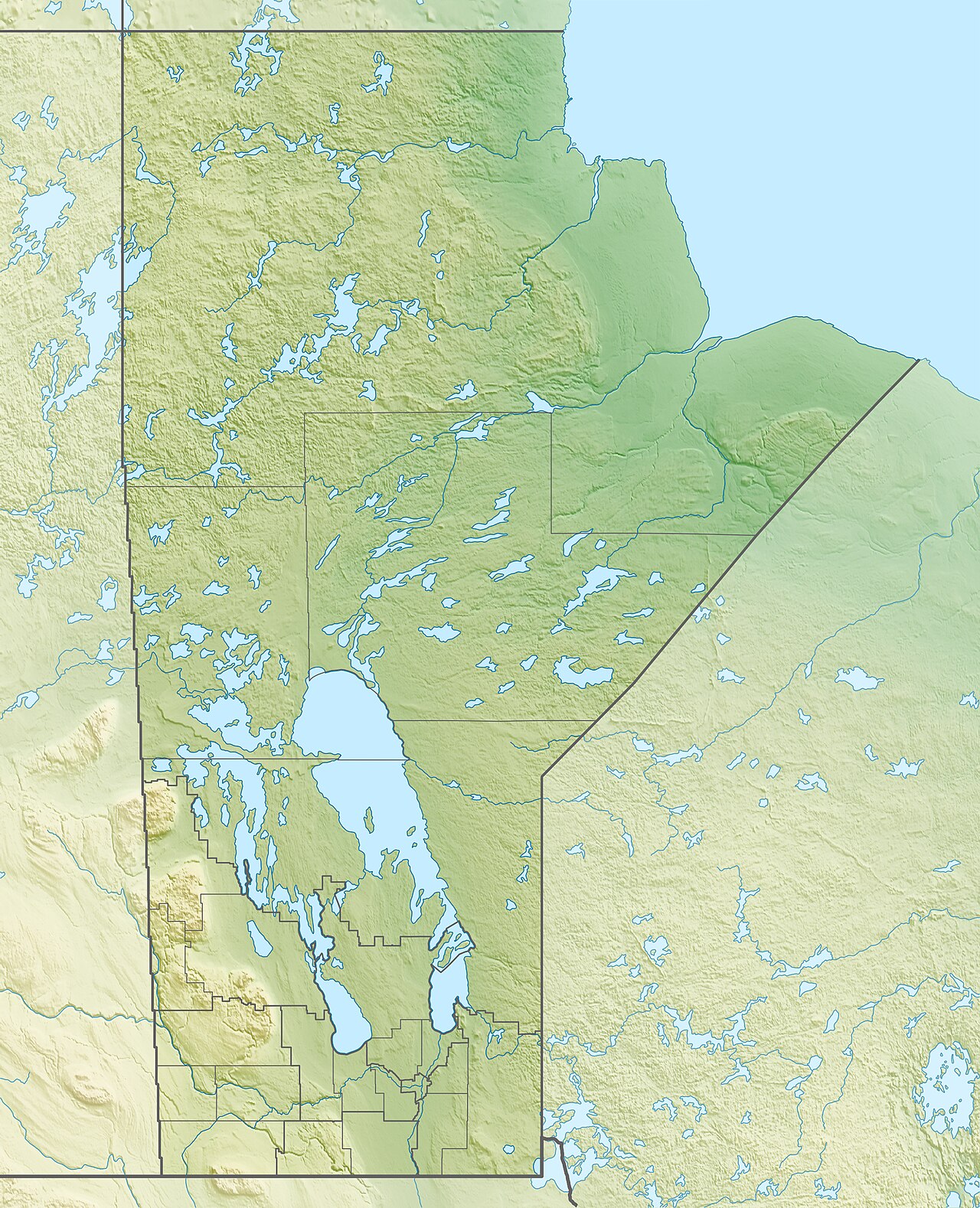
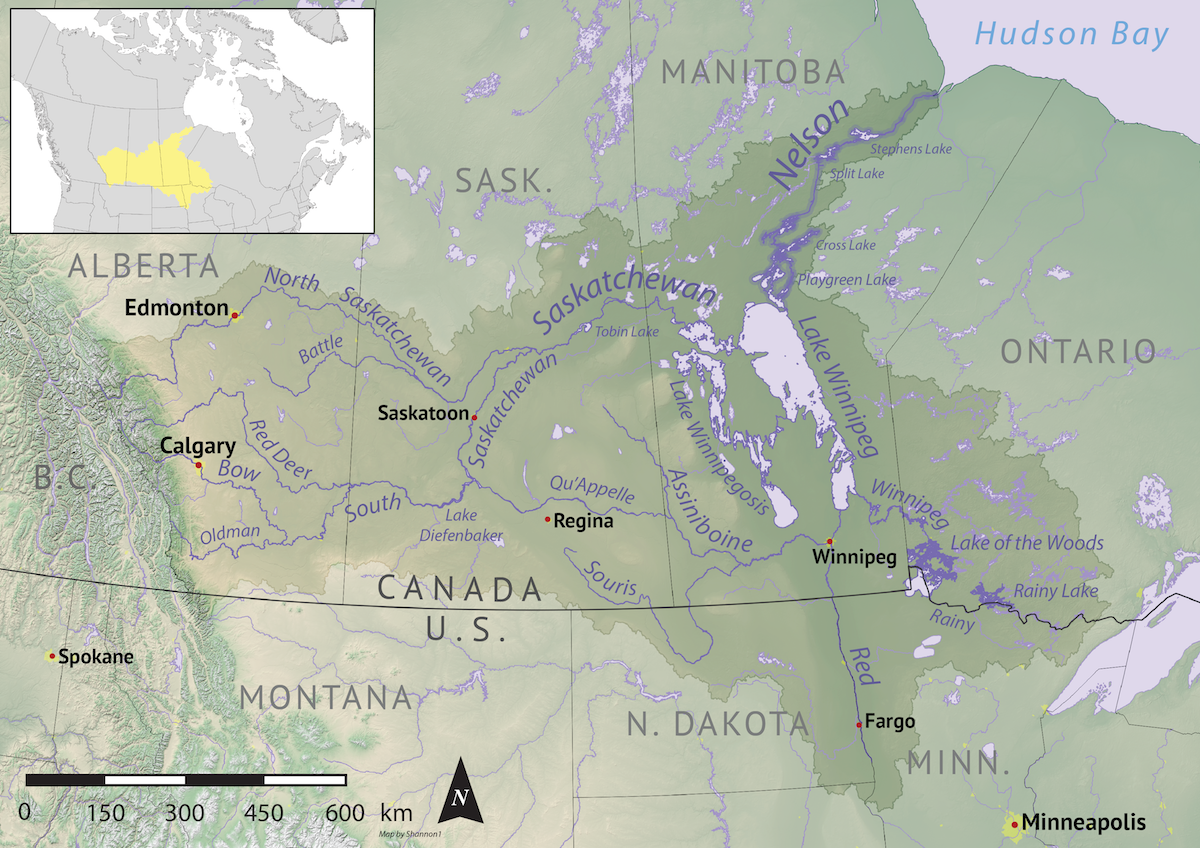
Lake Winnipeg lies in the central plains of Canada, in the province of Manitoba, and is situated north of the city of Winnipeg. It is one of the largest freshwater lakes in Canada and dominates a vast drainage basin. The lake's long, north–south shape and extensive shoreline make it a prominent physical and cultural feature of the region.
Image gallery
7 Images



Characteristics and hydrology
Lake Winnipeg receives water from multiple rivers, including the well-known Red River and the Winnipeg River, and drains northward into Hudson Bay via the Nelson River. It is relatively shallow compared with many large lakes, which affects circulation, temperature, and biological productivity. The surrounding watershed includes agricultural lands, wetlands and urban areas that influence the lake's water quality.
History and human use
The name "Winnipeg" derives from Indigenous languages and is commonly interpreted as meaning "muddy water" or "muddy waters," reflecting local descriptions of the lake. Indigenous peoples have relied on the lake for fish and travel for centuries. During European contact and the fur trade era, the lake and its rivers were major transport arteries. Later, shoreline communities developed around fishing, transportation and recreation.
Ecology and environmental issues
Lake Winnipeg supports commercial and recreational fisheries, including popular species such as walleye and whitefish, and it is an important stopover for migratory birds. In recent decades the lake has faced ecological pressures: nutrient runoff from agriculture and urban areas has contributed to recurring algal blooms and changes in aquatic habitat. These problems are the focus of monitoring, research and regional efforts to reduce phosphorus and nitrogen inputs.
Uses, recreation and conservation
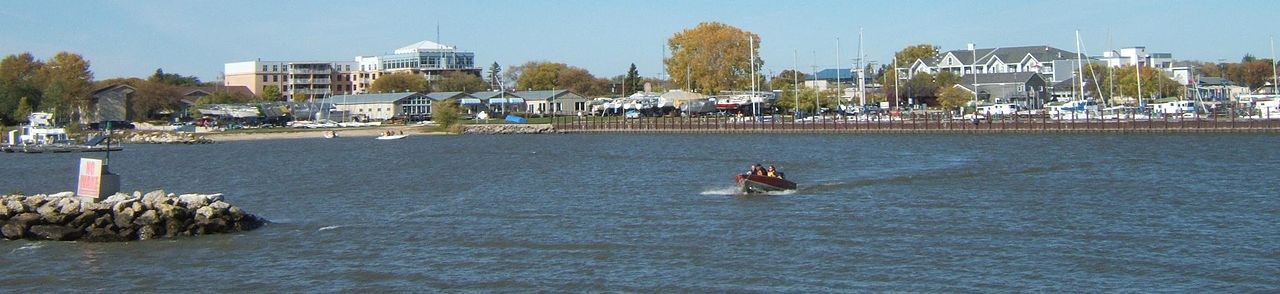
The lake is a regional center for boating, angling, cottage life and parks. Provincial and local authorities, Indigenous groups and environmental organizations work on stewardship programs to improve water quality, manage fisheries sustainably and protect wetlands. Public interest in preserving the lake's ecological and cultural values continues to shape policy and community action.
Because of its size, accessible shoreline and role in regional hydrology, Lake Winnipeg remains important for the economy, biodiversity and cultural identity of central Manitoba. Ongoing management aims to balance human use with long-term ecological resilience.
Related articles
Author
AlegsaOnline.com Lake Winnipeg — geography, history, and environmental significance Leandro Alegsa
URL: https://en.alegsaonline.com/art/55590