
Renton, Washington: overview, history, economy and notable features
Renton is a city on the southeast shore of Lake Washington in King County, Washington, southeast of Seattle. It has grown from an industrial 19th-century town into a diverse suburban and manufacturing center.
Overview
Renton is a mid-sized city on the southeast shore of Lake Washington in King County, in the state of Washington. Located roughly southeast of downtown Seattle, it functions as part of the greater Seattle metropolitan area while maintaining its own commercial core, neighborhoods, and waterfront parks. The city's position along the lake and nearby river corridors has shaped its land use, recreation, and industrial development.
Image gallery
9 Images


History and development
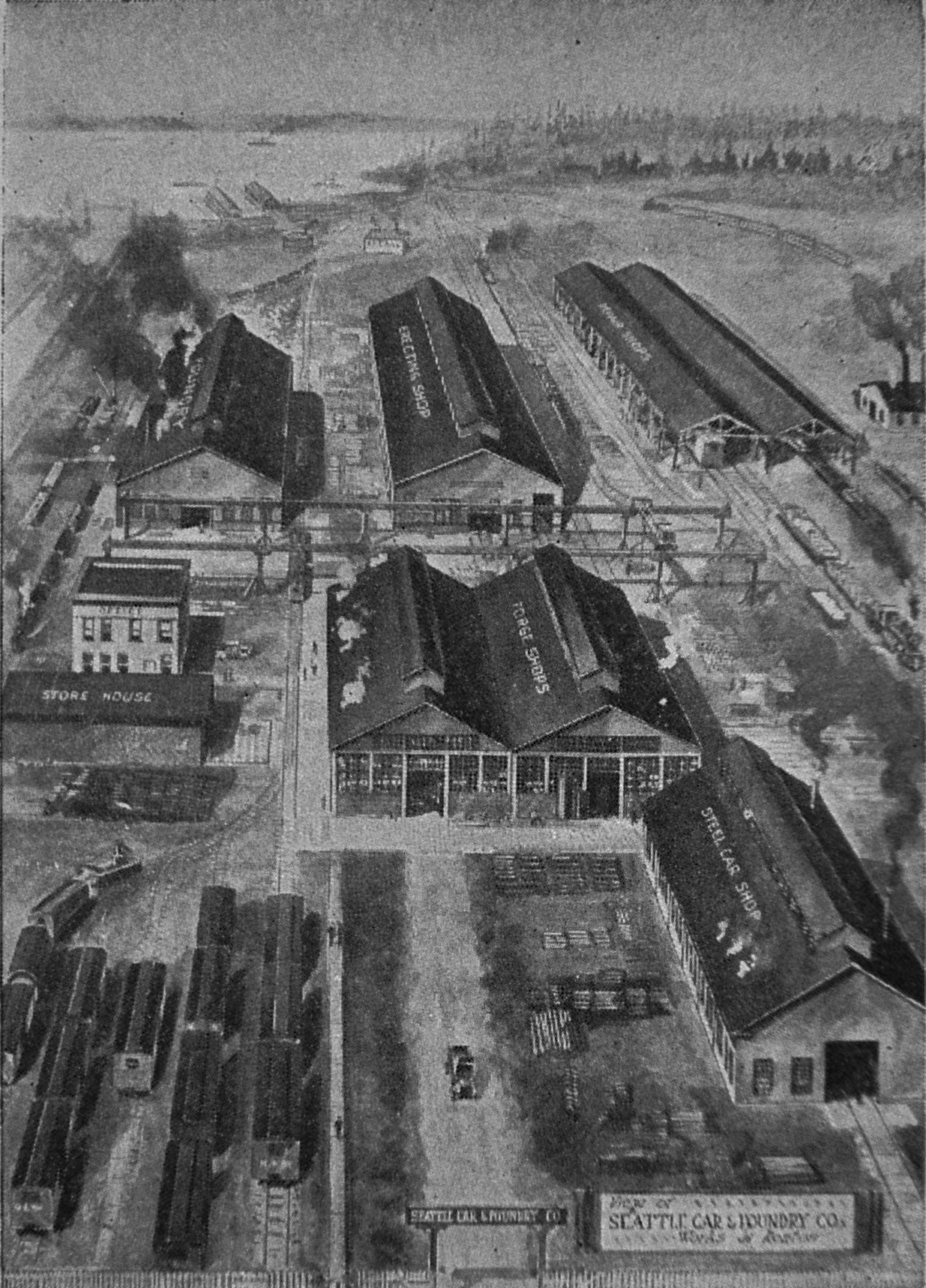
Renton developed in the late 19th and early 20th centuries as a site for resource-based industries and shipping. Early economic activity included lumber and coal, followed by expanded manufacturing and aircraft production during the 20th century. Over time the city shifted from a primarily industrial town to a more mixed economy with residential expansion, retail centers, and technology-related firms. Annexations of adjacent neighborhoods have contributed to growth in area and population.
Economy and transportation
The city hosts significant manufacturing and aerospace-related activity; major employers associated with aircraft production have been a defining part of the local economy. Retail, health care, professional services, and small manufacturing also provide employment. Renton sits near regional road corridors that link it to Seattle, Bellevue, and other suburbs, and it is served by regional transit that connects residents to the wider metropolitan area.
Neighborhoods, parks and civic life
Renton's neighborhoods range from denser urban areas near the downtown core to suburban residential districts and lakeside parcels. Public spaces include waterfront parks, riverfront trails, and community facilities that support year-round recreation. Local shopping and dining clusters, combined with festivals and civic events, contribute to a distinct community identity while drawing visitors from surrounding communities.
Demographics, rankings and notable facts
The city has experienced notable population growth since the turn of the 21st century, including expansion following the annexation of nearby communities. For example, the 2000 census recorded just over 50,000 residents, and a 2008 estimate reflected a substantially larger figure after annexation and growth. At times Renton has been listed among the larger cities in Washington and within King County. Per-capita income and other socioeconomic measures show a mix of middle-income neighborhoods and areas with higher or lower incomes, reflecting a diverse local economy and population.
Points of interest and distinctions
- Waterfront and river corridors that support parks and trail systems.
- Local industrial and aerospace facilities that influence employment and land use.
- Community amenities such as shopping districts, cultural venues, and civic parks.
- Ongoing redevelopment and planning efforts aimed at balancing growth, transportation, and environmental stewardship.
For readers seeking official or current statistics, municipal plans, or recent demographic estimates, consult local government publications and planning documents. These sources provide up-to-date information about governance, annexations, and economic initiatives in Renton.
Questions and answers
Q: Where is Renton located?
A: Renton is located in King County, Washington, United States.
Q: How far away is Renton from Seattle?
A: Renton is 13 miles (21 km) southeast of Seattle, Washington.
Q: What body of water is Renton situated on?
A: Renton is situated on the southeast shore of Lake Washington.
Q: How many people lived in Renton according to the 2000 census?
A: According to the 2000 census, 50,052 people lived in Renton.
Q: How many people lived in Renton as of April 1, 2008?
A: As of April 1, 2008, about 78,780 people lived in Renton.
Q: What caused the increase in population in Renton?
A: The addition of the Benson Hill communities directly southeast of the city caused the increase in population in Renton.
Q: Where does Renton rank in terms of size among other cities in Washington?
A: Based on data from the Office of Financial Management, Renton is the 11th largest city in Washington and 5th largest in King County.
Related articles
Author
AlegsaOnline.com Renton, Washington: overview, history, economy and notable features Leandro Alegsa
URL: https://en.alegsaonline.com/art/82183
Sources
- census.gov : "Population Estimates"
- geonames.usgs.gov : "Renton"
- ofm.wa.gov : ofm.wa.gov/pop/april1/default.asp
- rentonwa.gov : rentonwa.gov
- quickfacts.census.gov : quickfacts.census.gov
- jimihendrixmemorial.com : JIMI HENDRIX MEMORIAL :: jimihendrixmemorial.com
- blog.oregonlive.com : Part V - The stories this bike could tell - Behind The Blazers Beat - The Oregonian - OregonLive.com
- blog.oregonlive.com : Part VI - What do you get an NBA star for his birthday? - Behind The Blazers Beat - The Oregonian - OregonLive.com