
Lake Lucerne (Vierwaldstättersee) — central Swiss lake and scenic region
Lake Lucerne (German: Vierwaldstättersee) is a large, irregular lake in central Switzerland, famed for its fjord-like arms, mountain scenery, historic sites, and a year-round network of boats, roads and mountain railways.
Lake Lucerne occupies a central position in Switzerland and is known in German as Vierwaldstättersee, literally the "Lake of the Four Forested Cantons". It is the country's fourth-largest lake and stretches into several narrow arms that give it a highly indented shoreline. The lake lies in central Switzerland and touches the cantons traditionally associated with the founding of the Swiss Confederation.
Image gallery
10 Images


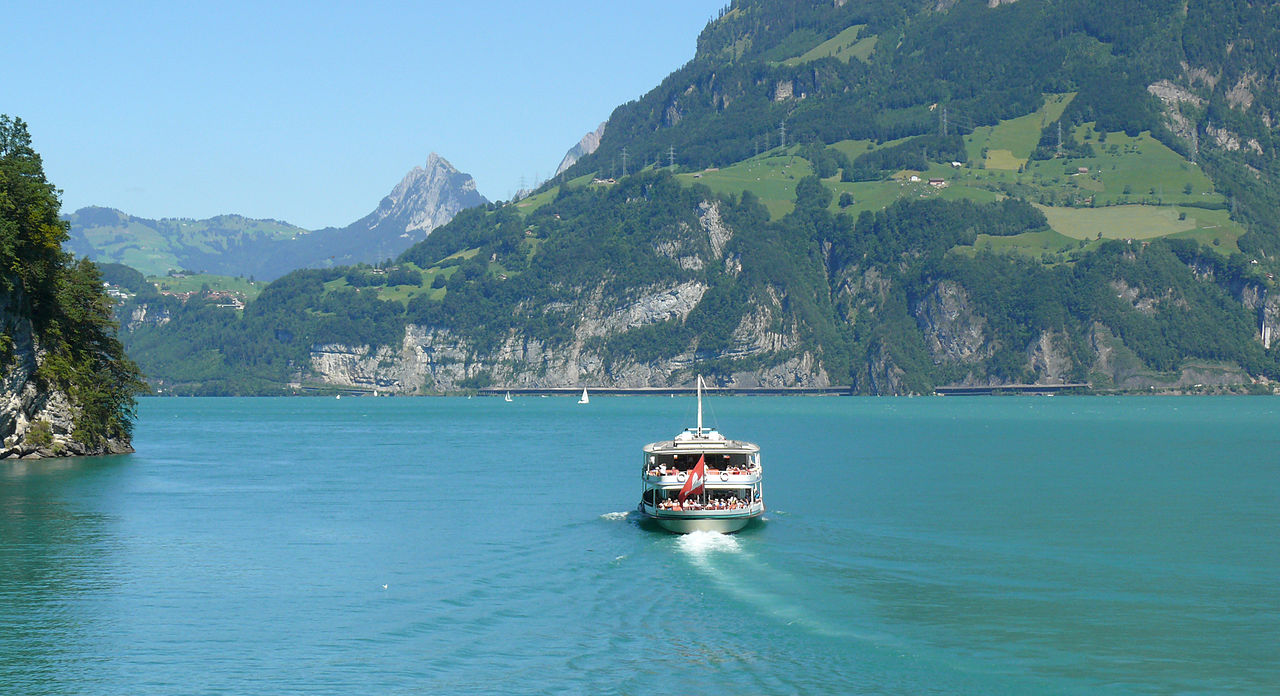


Geography and characteristics
The lake is notable for its complex shape: a central basin with several long, fjord-like arms that reach into steep valleys and at the foot of prominent peaks such as Mount Rigi and Mount Pilatus. The shoreline alternates between rocky cliffs, wooded slopes and settled bays. The name highlights the lake's links with the cantons of Uri, Schwyz, Lucerne and the historic Unterwalden (now Obwalden and Nidwalden).
History and cultural significance
Lake Lucerne and its shores have been important in Swiss history and folklore. Several places on the lake are associated with early events in the formation of the Swiss Confederation and with the William Tell tradition. Historic landing places, small chapels and memorials along the water attract visitors interested in Swiss national history.
Transport, tourism and local economy
The lake has long been a transportation corridor. Regular passenger boats and ferries connect towns and villages, providing both commuter links and scenic cruises operated on a scheduled network. Roads run around much of the shoreline and include tunnels bored through the steeper terrain to shorten travel times; this combination of water and road travel makes the lake highly accessible to visitors and residents alike.
- Typical lakeside towns include Lucerne, Weggis, Vitznau, Brunnen and Flüelen.
- Boat services and cruises are a major tourist attraction and operate year-round.
- Hotels and resorts line many shores, catering to sightseers and hikers.
Visitors can find scheduled boat services and ticket information from the lake's operators and local tourism offices; smaller private services and charter boats also operate for special excursions. For more on transport options see regional guides and the network serving the lake and its ports.
Nature, recreation and notable facts
The water and surrounding mountains provide opportunities for swimming, sailing, fishing and hiking. Alpine railways and cable cars lead from lakeside towns to panoramic viewpoints on Rigi, Pilatus and nearby summits. Conservation efforts keep the lake's water quality high, supporting native fish and recreational use. Tunnels and lakeshore infrastructure reflect a long history of adapting transport to challenging alpine terrain; information about those engineering works is available from sources documenting the region's roads and tunnels.
For practical visitor information — accommodations, itineraries and local services — travel and tourism pages list hotels, guided tours and seasonal activities; many lakeside hotels and resorts advertise stays with lake views and mountain access (hotels). The lake's identity and name are also explained in regional cultural references to the Four Forested Cantons, and more detailed maps, timetables and historical notes can be found through central Switzerland travel resources (central Switzerland and lake guides).
Related articles
Author
AlegsaOnline.com Lake Lucerne (Vierwaldstättersee) — central Swiss lake and scenic region Leandro Alegsa
URL: https://en.alegsaonline.com/art/55518