
Lake Malawi (Lake Nyasa / Lake Niassa)
Freshwater rift lake in southeastern Africa shared by Malawi, Mozambique and Tanzania; noted for great depth, endemic fish diversity, and importance for fisheries, transport and tourism.
Overview
Lake Malawi, also called Lake Nyasa or Lake Niassa, is a large freshwater lake in eastern Africa. It occupies a valley of the East African Rift and sits largely within the territories of Malawi, with shoreline in Mozambique and Tanzania. The lake is one of the major African rift lakes: widely recognized as the third largest lake on the continent by surface area and among the deepest. It plays a central role in the region's ecology, economy and culture.
Image gallery
10 Images




Physical characteristics
Lake Malawi stretches for several hundred kilometres along a north–south axis inside the rift valley. It has steep shores in places and broad shallows in others, with islands and bays that create diverse habitats. The lake's waters are fresh and clear in many areas, supporting aquatic vegetation near shorelines and open pelagic zones offshore. Key physical traits include:
- Great depth and long basins typical of rift lakes.
- Variable shoreline: rocky escarpments, sandy beaches and seasonal wetlands.
- Climate influences from tropical to sub-tropical patterns, producing seasonal changes in water level and circulation.
Origins and geological setting
The lake occupies a graben formed by extension of the Earth's crust in the East African Rift system. Tectonic movements created deep basins that filled with water over geological time. Its formation is related to the same rifting forces that produced neighboring lakes and highlands. Geology and long-term climatic shifts have shaped sedimentation, water chemistry and the lake's shoreline history.
Biodiversity and importance
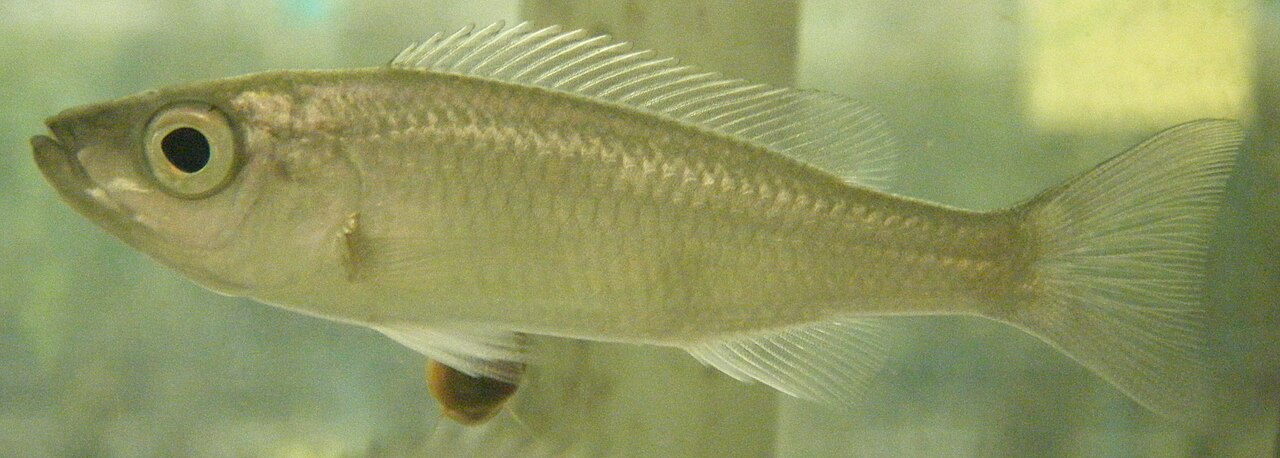
Lake Malawi is famous for high levels of endemic biodiversity, particularly its cichlid fishes, many of which are confined to small areas and different habitat types. These fishes are important for scientific study of evolution and speciation, and they support local fisheries. The lake also hosts aquatic invertebrates, waterbirds and shoreline vegetation that sustain local livelihoods and biodiversity.
Human use, culture and conservation
People around the lake rely on it for food, transport and income. Small-scale and commercial fisheries supply protein to coastal communities, while towns along the shore use the lake for transport and tourism. Tourism centres emphasize diving, sport fishing and ecotourism attractions. Conservation concerns include overfishing, habitat loss, invasive species and water-quality pressures from development; efforts combine national and international research and management initiatives to balance use and protection. For general context see regional resources such as African lakes summaries and country information pages like Malawi or Mozambique.
Readers interested in geography, freshwater ecology or the human dimensions of rift lakes can find further introductory materials and research summaries through regional conservation groups and academic studies. For additional background consult national park guides and scientific overviews referenced by local institutions and international partners (Tanzania sources and others).
Related articles
Author
AlegsaOnline.com Lake Malawi (Lake Nyasa / Lake Niassa) Leandro Alegsa
URL: https://en.alegsaonline.com/art/55523