
Lake Maggiore — a large prealpine lake on the Italy–Switzerland border
Lake Maggiore (Lago Maggiore or Lago Verbano) is a scenic cross‑border lake spanning Italy and Switzerland, renowned for mild microclimate, historic villas, the Borromean Islands and year‑round tourism.
Overview
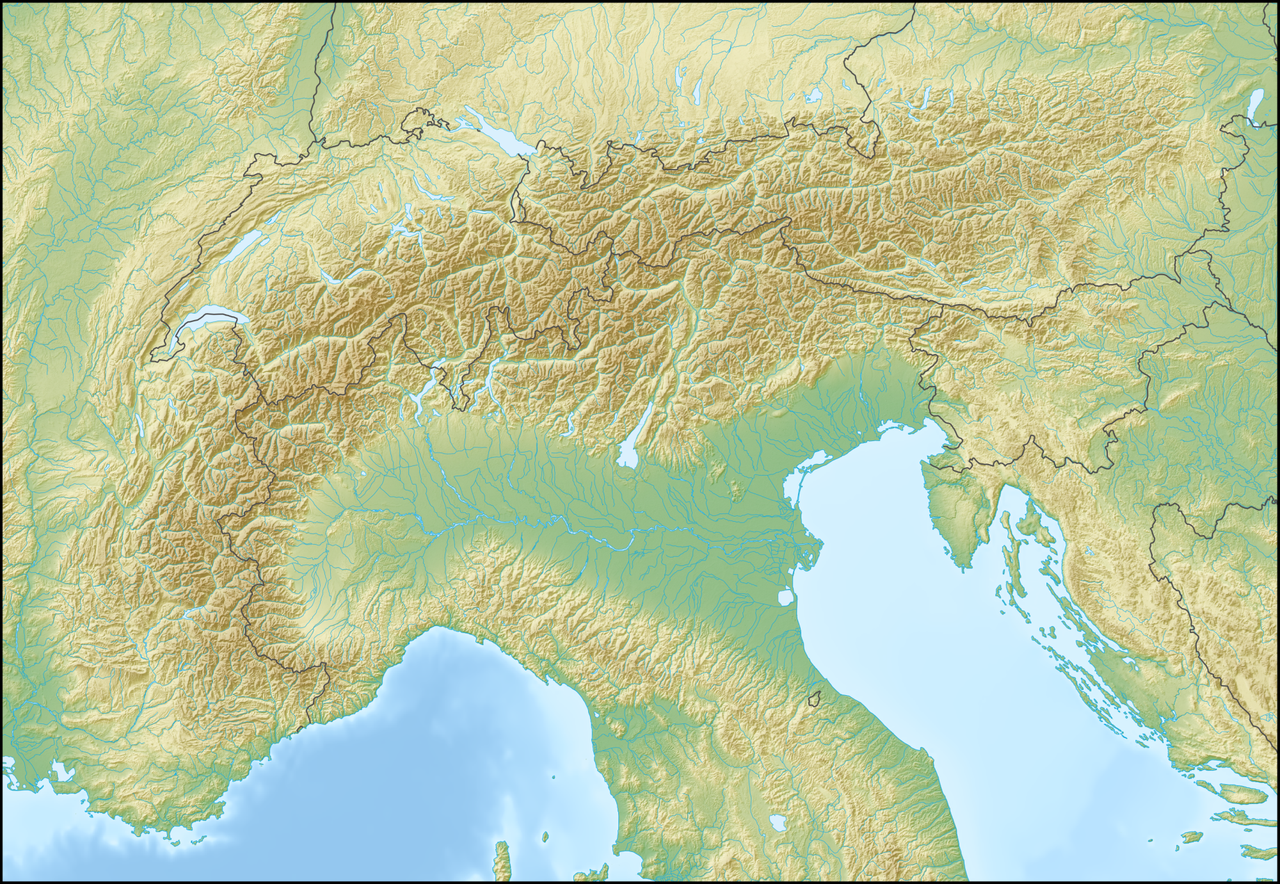
Lake Maggiore (Italian: Lago Maggiore, historically Lago Verbano) is one of the great prealpine lakes of northern Italy and lies partly within Switzerland. It is the most westerly of the three large Italian prealpine lakes and is notable as the second largest Italian lake after Lake Garda. The lake stretches along a north–south axis and forms an important natural, cultural and recreational region shared by the Italian regions of Piedmont and Lombardy and the Swiss canton of Ticino.
Image gallery
10 Images




Physical characteristics and towns
The basin receives water from mountain streams and is drained at its southern end. Its shoreline alternates between steep, wooded slopes and low, cultivated terraces. Several towns and resorts line the lake, serving as hubs for visitors and residents: Verbania and Stresa on the Italian side, Arona and Angera toward the south, and Locarno and Ascona on the Swiss shore. Regular ferry and boat services connect these settlements.
Islands, gardens and architecture
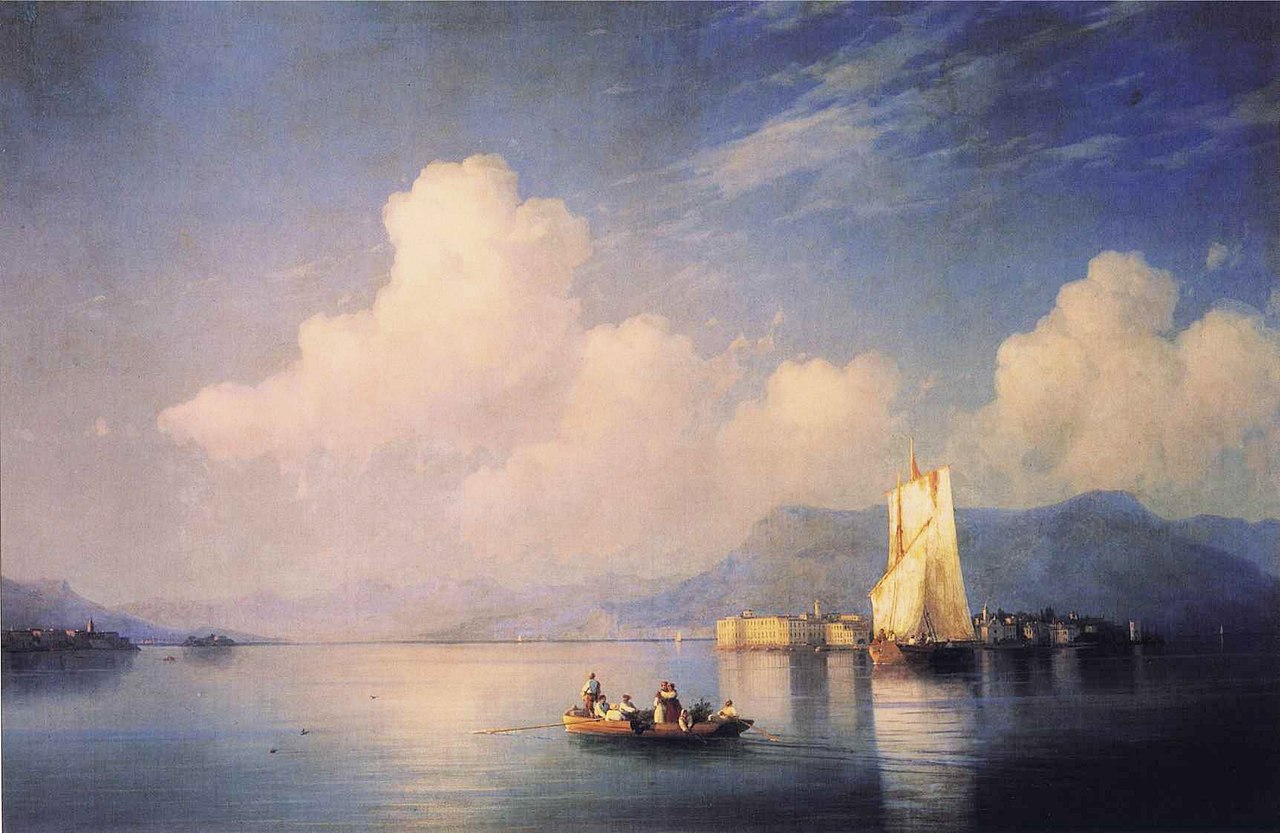
Among the lake's best‑known features are the Borromean Islands, a small archipelago celebrated for historic palaces and ornate gardens. Villas, botanical gardens and promenades built by noble families and later by 19th‑century visitors create a strong horticultural and architectural character. The mild lakeside climate allows temperate and some Mediterranean plants to flourish.
History and human use
Lake Maggiore has been occupied and traversed since antiquity and gradually developed into a destination for travel, culture and leisure. Wealthy landowners, writers and artists helped shape the landscape with villas and landscaped grounds. Today the lake supports tourism, boating, angling and local fisheries, while river systems and infrastructure in the catchment contribute to regional water management and hydroelectric production.
Ecology, recreation and notes
The lake and its surroundings hold ecological value for aquatic and terrestrial habitats and are the focus of conservation and sustainable tourism efforts. Recreational activities range from sailing and windsurfing to peaceful garden visits and cultural touring. As a cross‑border resource, Lake Maggiore illustrates cooperative management of natural and cultural heritage shared by Italy and Switzerland, and it remains one of the most visited and emblematic lakes in the Alpine foothills.
See also: prealpine lakes for regional context and comparisons.
Related articles
Author
AlegsaOnline.com Lake Maggiore — a large prealpine lake on the Italy–Switzerland border Leandro Alegsa
URL: https://en.alegsaonline.com/art/55522